Market Overview
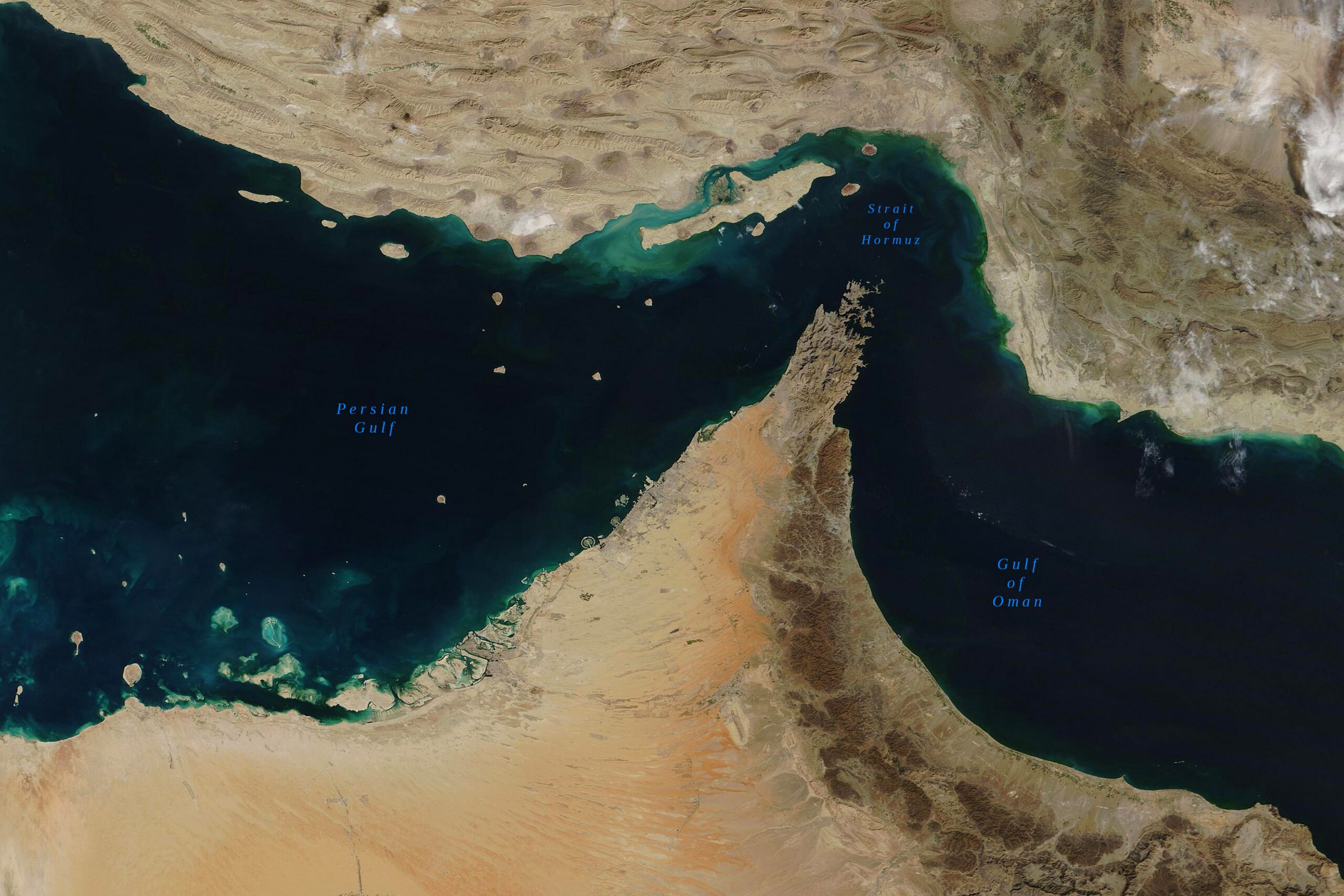
The prediction market tracking Strait of Hormuz traffic recovery is currently valued at 45.5%, indicating roughly even odds that transit calls will reach a 7-day moving average of 60 or above by June 30, 2026. With $1.5 million in volume, the market reflects sustained trader interest in a question central to global energy security and maritime commerce. The resolution criterion—a return to 60 daily transit calls—appears modest on its face, yet the probability reflects genuine uncertainty about whether regional conditions will stabilize sufficiently to support such recovery within the next 18 months.
Why It Matters
The Strait of Hormuz handles roughly one-third of global maritime-traded oil and significant quantities of liquefied natural gas, making its traffic flows a barometer of both regional geopolitical risk and energy market health. Disruptions to normal transit patterns have historically coincided with regional conflicts, sanctions enforcement, and tensions between regional powers. The market's pricing suggests traders view the return to normalized traffic as a meaningful but uncertain proposition, implying current transit volumes remain depressed relative to historical norms and that material obstacles to recovery persist.
Key Factors
The 45.5% probability reflects several competing dynamics. On one side, the threshold of 60 daily transits is not exceptionally high, and markets tend to normalize over time absent sustained external shocks. On the other, ongoing geopolitical tensions in the Middle East—including naval incidents, sanctions dynamics, and regional proxy conflicts—create genuine uncertainty about whether conditions will sufficiently improve within 18 months. Historical precedent matters: previous disruptions to Strait traffic have sometimes taken years to fully resolve. Additionally, structural changes in shipping patterns, including alternate routes and energy transition effects on oil demand, could keep transit volumes permanently below historical peaks, even absent active disruptions.
Outlook
The market's current equilibrium near 45.5% suggests traders see genuine two-way risk. Movement in this probability will likely track tangible developments: de-escalation in regional tensions would support higher odds, while new incidents or geopolitical crises would push the market lower. The reliance on IMF Portwatch data introduces a technical component—traders must monitor actual published figures rather than speculative assessments, grounding the market in verifiable metrics. Significant institutional attention to this market in coming months will depend on regional news flow, sanctions policy shifts, and any major maritime incidents affecting the Strait.