Market Overview
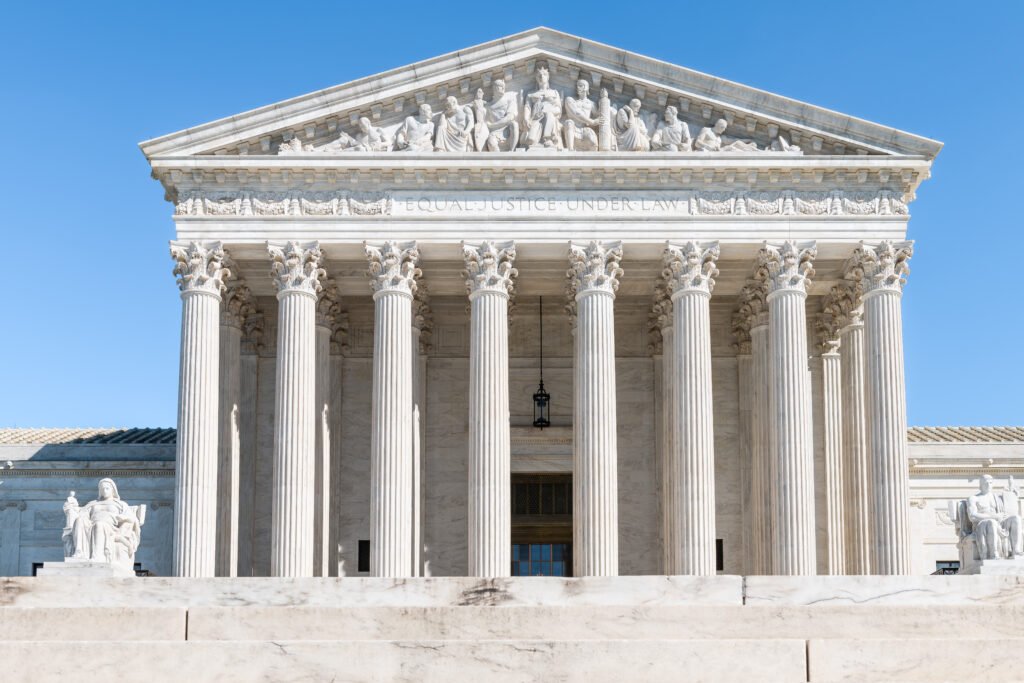
Bettors are pricing in relatively low odds that the Supreme Court will grant certiorari in a case addressing the legality and regulation of sports event contracts by mid-2026. The current 13.5% probability, which has remained stable over the past day despite significant trading volume of nearly $930,000, suggests skepticism about the likelihood of SCOTUS accepting such a case within the specified timeframe. The market is distinguishing between cases that may eventually reach the Court and those likely to arrive within an 18-month window from now.
Why It Matters
The intersection of sports betting, derivatives regulation, and federalism represents an emerging legal frontier with potentially significant implications for the $150+ billion U.S. sports betting industry. A Supreme Court ruling on whether sports event contracts constitute regulated commodities, whether federal Commodity Futures Trading Commission authority preempts state gambling laws, or how licensed markets may operate could reshape the competitive landscape and regulatory framework across jurisdictions. The specificity of the market's resolution criteria—requiring explicit SCOTUS certification in cases addressing commodities law, CFTC preemption, or federal-state authority—narrows the universe of qualifying cases considerably.
Key Factors
Several structural and procedural factors constrain the probability. First, the Supreme Court grants certiorari in fewer than 1% of petitions filed annually, and sports-betting cases must navigate lower court systems before becoming candidates for review. Second, the relevant legal questions remain largely unsettled in circuit courts, meaning fewer cases with developed records and circuit splits—traditional triggers for Supreme Court intervention—currently exist. Third, the 18-month deadline is compressed relative to typical appellate timelines; a case would need to be fully briefed and docketed within months to realistically be considered for the 2025-2026 or early 2026-2027 Supreme Court terms. Finally, recent regulatory activity, including potential CFTC guidance or legislative action, could resolve key questions administratively, reducing the likelihood of a constitutional test case reaching the Court.
Outlook
For the probability to shift materially higher, a lower appellate court would need to issue a ruling creating a clear circuit split or raising novel constitutional questions that demand SCOTUS clarification. Alternatively, rapid expansion of federally licensed sports derivatives markets—and subsequent state-level legal challenges—could accelerate litigation timelines. Conversely, if state and federal regulators move toward consensus on the commodities status of such contracts, or if Congress clarifies statutory intent, the judicial pathway could narrow further. Barring a sudden appellate decision or legislative change, the market's skepticism appears well-calibrated to the structural realities of Supreme Court review.