Market Overview
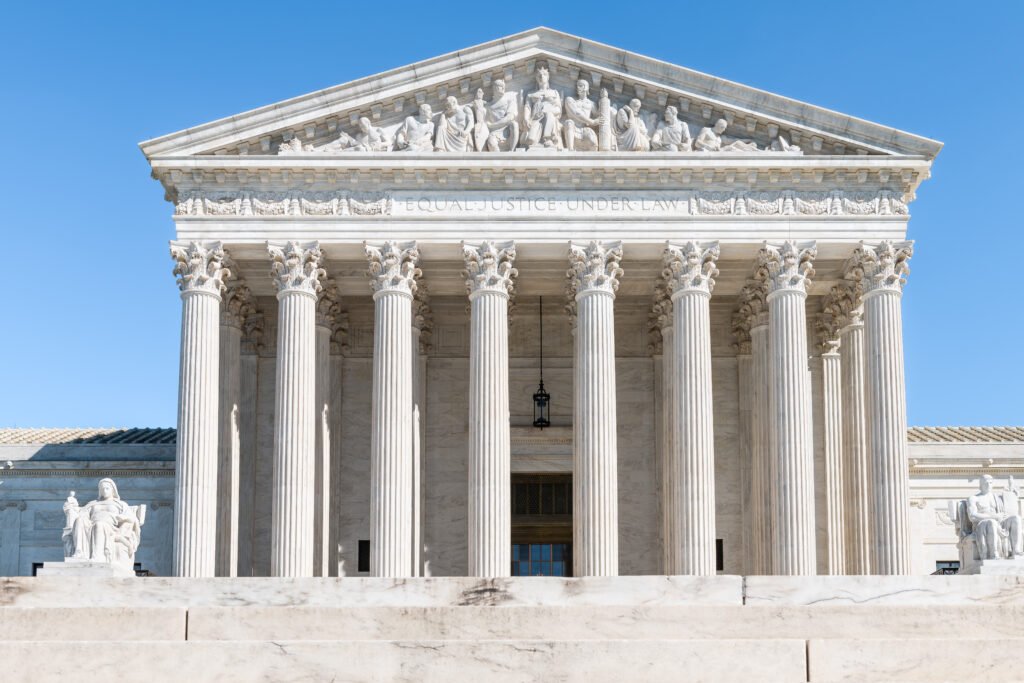
The Supreme Court faces a narrow window—roughly 18 months from now—to grant certiorari in a case addressing the regulation, legality, or federal-state jurisdictional authority over sports event contracts. The current market probability of 13.5% reflects skepticism that such a case will reach the nation's highest court by July 31, 2026. The market has shown stability, with the probability unchanged over the past 24 hours despite substantial trading volume of nearly $930,000, suggesting a consensus view among participants rather than shifting sentiment.
Why It Matters
The regulatory status of sports event contracts—particularly whether they constitute derivatives under the Commodity Exchange Act or fall under state gambling jurisdiction—remains unsettled across U.S. courts. The Supreme Court's potential intervention could clarify whether the Commodity Futures Trading Commission's authority preempts state gambling laws and whether federally licensed prediction markets can legally operate. Such a decision would have significant implications for emerging prediction market platforms and state gambling regulators. The high-stakes financial and jurisdictional questions involved suggest the case could eventually warrant Supreme Court attention, but the timeline is constrained.
Key Factors
Several structural challenges limit the probability of certiorari acceptance by mid-2026. First, no case addressing all three specified conditions appears to be working through appeals courts at a pace that would reach SCOTUS within 18 months. Lower court litigation typically requires years to develop fact records and generate conflicting circuit court opinions—the traditional catalyst for Supreme Court review. Second, the Court receives over 7,000 petitions annually but accepts fewer than 70 cases, a grueling filter that prioritizes cases with circuit splits or exceptional constitutional significance. A sports contracts case would need to demonstrate compelling reasons for Supreme Court intervention. Third, even if a petition were filed soon, the Court's docket fills months in advance, and acceptance by July 2026 would require the case to jump an informal queue of pending petitions.
Outlook
The 13.5% probability reflects a realistic but nontrivial scenario: a lower court decision generating sufficient legal or policy implications to prompt Supreme Court review within the timeframe. This could occur if a federal appellate court issues a landmark ruling on CFTC preemption of state gambling laws, or if conflicting decisions emerge from different circuits. However, the absence of such a case currently in advanced stages of appellate litigation suggests the probability will likely remain in this range unless unexpected developments accelerate a case through lower courts. Participants should monitor federal appellate dockets for sports-gambling or derivatives-regulation cases that could shift trajectories, but the structural headwinds remain substantial.