Market Overview
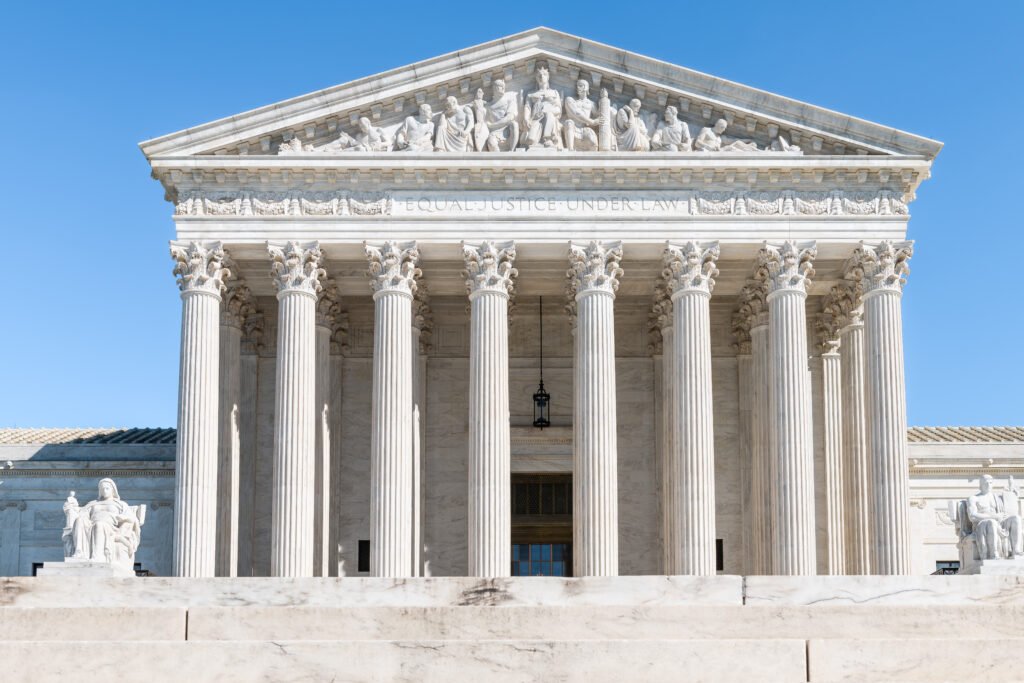
The Supreme Court of the United States has a notoriously selective docket, accepting roughly 70-80 cases annually from more than 7,000 petitions. This market tests whether SCOTUS will take up a case addressing the regulation of sports event contracts—specifically their treatment under the Commodity Exchange Act, federal-state regulatory preemption, or licensing authority—before the end of July 2026. At 13.5%, traders assess this outcome as unlikely but not implausible within an 18-month window.
Why It Matters
The regulatory status of sports derivatives remains unsettled in U.S. law. Recent years have seen expansion of federally licensed prediction markets offering contracts tied to sports outcomes, creating friction between federal commodity regulators, state gambling authorities, and market operators. A Supreme Court decision in this domain could reshape the entire landscape of legal sports wagering and derivatives trading, affecting billions in potential market value. The question is not whether courts will eventually address this issue, but whether the legal urgency and circuit split maturity reach certiorari-worthy status within the next 18 months.
Key Factors
Several conditions would need to align to elevate odds. First, a lower court must issue a decision that creates a genuine conflict with another circuit or establishes novel constitutional or statutory interpretation questions. Currently, most sports contract litigation remains in early or settlement stages, with limited appellate decisions. Second, the question must attract the interest of SCOTUS justices—a threshold only about one percent of petitions clear. Given that sports derivatives regulation does not obviously implicate core constitutional questions (like free speech or equal protection), it faces structural disadvantage relative to criminal justice, voting rights, or civil rights cases that typically dominate the docket. Third, the market must grow contentious enough that a definitive Supreme Court ruling becomes necessary to resolve interstate or federal-state conflict.
Outlook
The 13.5% probability reflects the genuine possibility that a lower court will rule by mid-2026 and a petition will follow, but it properly weights the scarcity of certiorari grants and the relative lack of a mature legal split on this issue. Resolution odds could shift upward if a federal appeals court issues a significant decision on sports contracts in the next 6-12 months, or if Congress initiates legislation that triggers litigation over regulatory boundaries. Conversely, industry settlement or regulatory clarity negotiated outside court could reduce the perceived need for Supreme Court intervention. The market will likely remain quiet unless material developments in lower-court litigation emerge.