Market Overview
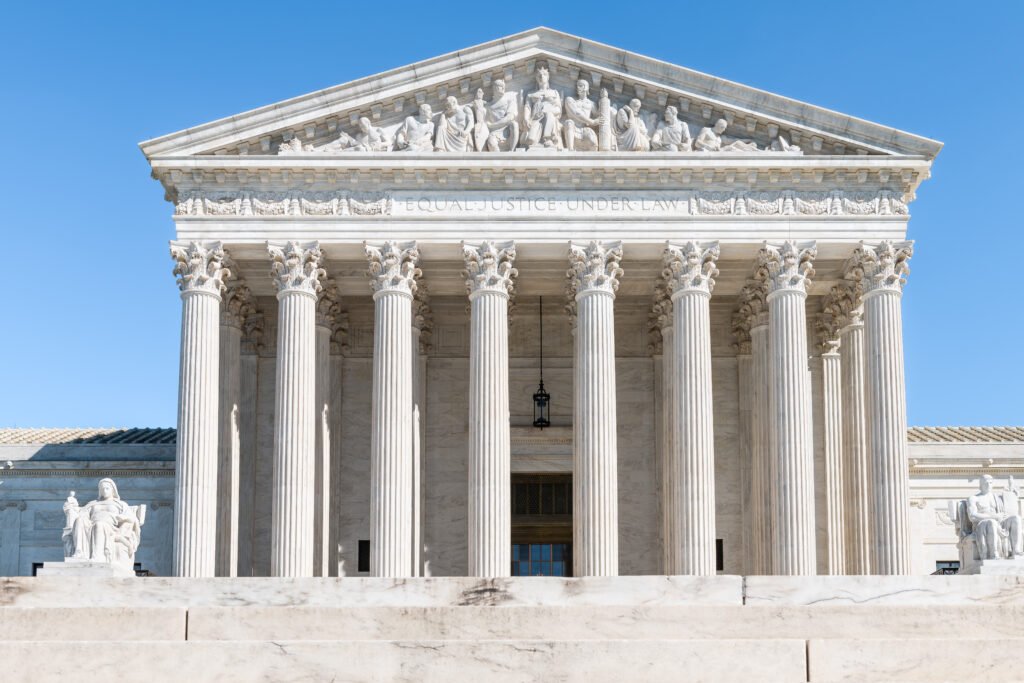
The Supreme Court has a notoriously selective docket, accepting roughly 1-2% of the approximately 7,000 petitions it receives annually. This market tests whether SCOTUS will grant certiorari in a case addressing the regulation of sports event contracts—specifically involving derivative classification under the Commodity Exchange Act, federal-state regulatory preemption, or the legality of federally licensed sports contract markets. At 13.5%, the implied probability reflects skepticism that such a case will clear this high bar by mid-2026, a timeframe of roughly 18 months from now.
Why It Matters
The regulatory treatment of sports event contracts sits at an emerging intersection of financial derivatives law, gambling regulation, and federalism. As platforms like Kalshi have tested the boundaries of what the CFTC can permit, and as states grapple with whether federal licensing preempts their own gambling prohibitions, the underlying legal questions could eventually reach the Court. However, such cases typically require years to percolate through lower courts, generate conflicting circuit decisions, and accumulate sufficient legal weight to warrant Supreme Court review. The 18-month timeline is compressed relative to the pace of appellate litigation.
Key Factors
Several structural headwinds work against a cert grant by July 2026. First, no major appellate decision on sports event contracts has yet produced a circuit split—a traditional catalyst for Supreme Court intervention. Second, the CFTC and state regulators are still actively shaping policy through administrative and legislative channels, which can defer constitutional questions. Third, sports betting contracts remain a narrow and specialized area, lacking the broad societal impact that typically justifies Supreme Court attention. Fourth, even if a lower court case exists, it would need to be litigated, appealed, and decided by a circuit court before a cert petition could be filed—a process typically spanning multiple years. The market's 13.5% probability accounts for the possibility of an unusually expedited case or a lower court deciding an existing matter quickly, but treats this as unlikely within the specified window.
Outlook
For the probability to rise materially, a federal appeals court would need to rule on one of the specified issues in the near term, or an existing case would need to move through litigation unusually quickly. Conversely, further regulatory clarity from the CFTC or congressional action could make a case moot before reaching the Supreme Court, reinforcing the current low odds. Traders and observers should monitor appellate dockets and major CFTC enforcement or rulemaking actions as proxies for developments that could shift this market.