Market Overview
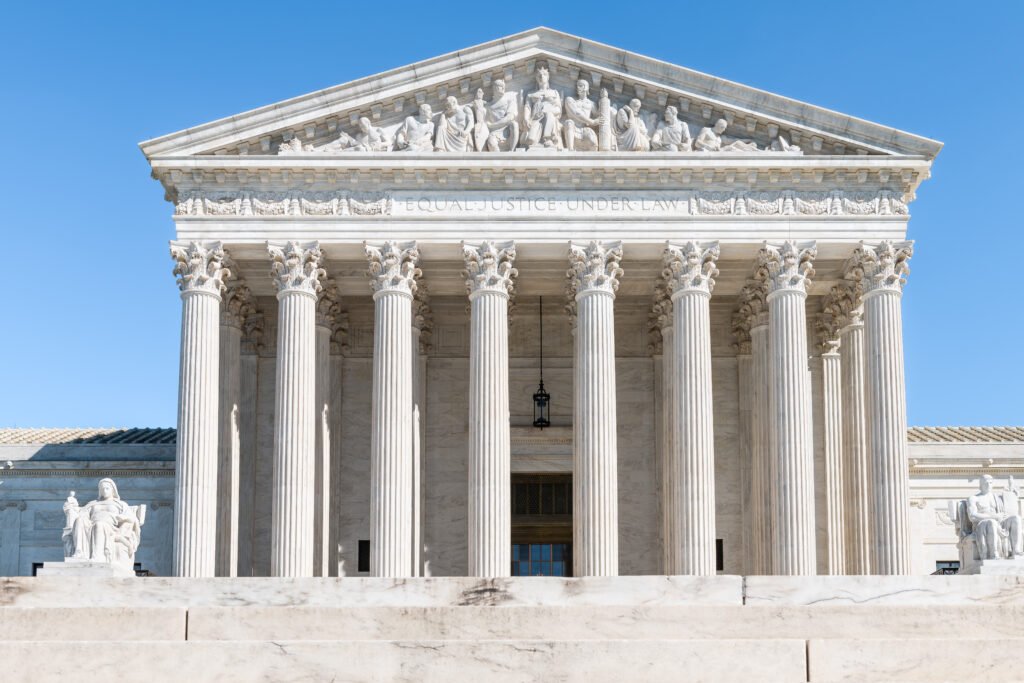
The Supreme Court of the United States faces an uncertain but low-probability window for accepting a case specifically addressing sports event contracts and their regulatory treatment before July 31, 2026. Prediction market participants currently price the likelihood at 13.5%, indicating skepticism that the nation's highest court will grant certiorari on this issue within the next 18 months. With $929,000 in trading volume, the market reflects modest but meaningful interest in a question that sits at the intersection of commodities regulation, state gambling law, and emerging financial markets.
Why It Matters
The regulatory status of sports event contracts has become increasingly contested as new trading platforms have emerged offering derivatives-like products based on sporting outcomes. The core question—whether these contracts fall under federal commodities regulation, remain subject to state gambling prohibitions, or occupy a distinct legal category—remains unresolved. A Supreme Court decision could reshape the landscape for platforms operating in this space and clarify the boundaries between the Commodity Futures Trading Commission's authority and state regulatory power. However, the absence of such a case on the Court's docket suggests this conflict has not yet ripened into the kind of legal dispute that typically prompts certiorari review.
Key Factors
Several dynamics explain the market's low odds. First, no clear circuit split has emerged among federal appeals courts on this issue, a traditional prerequisite for Supreme Court review. Without conflicting lower court decisions, the legal uncertainty, while real, may not yet compel the Court's attention. Second, the regulatory and legislative landscape remains in flux, with Congress, state legislatures, and agencies actively deliberating sports betting and event contracts. Courts often defer to such ongoing regulatory processes rather than intervening prematurely. Third, the specific certification criteria outlined in the market description—addressing commodities regulation, CFTC preemption, or licensing authority—represent narrow doctrinal questions that must first be litigated and appealed through lower courts, a process that typically extends beyond 18 months from inception.
The 13.5% probability thus reflects a base rate expectation: certiorari is granted in only a small fraction of petitions annually, and a specialized commercial law question must overcome significant procedural and substantive hurdles to qualify.
Outlook
For this market to move materially higher, litigation would need to accelerate and produce either a circuit split or a decision from a federal appeals court on one of the specified issues. Triggers could include federal or state enforcement actions against sports contract platforms, a major industry participant seeking judicial relief, or congressional action prompting judicial review of regulatory authority. Conversely, legislative resolution of the regulatory question—such as a federal statute clarifying CFTC authority or state-level action standardizing treatment—could diminish the likelihood by reducing the need for Supreme Court intervention. Until one of these developments occurs, the market's low odds likely reflect the current state accurately: a latent legal question without the developed case law or conflict needed to reach the Court.