Market Overview
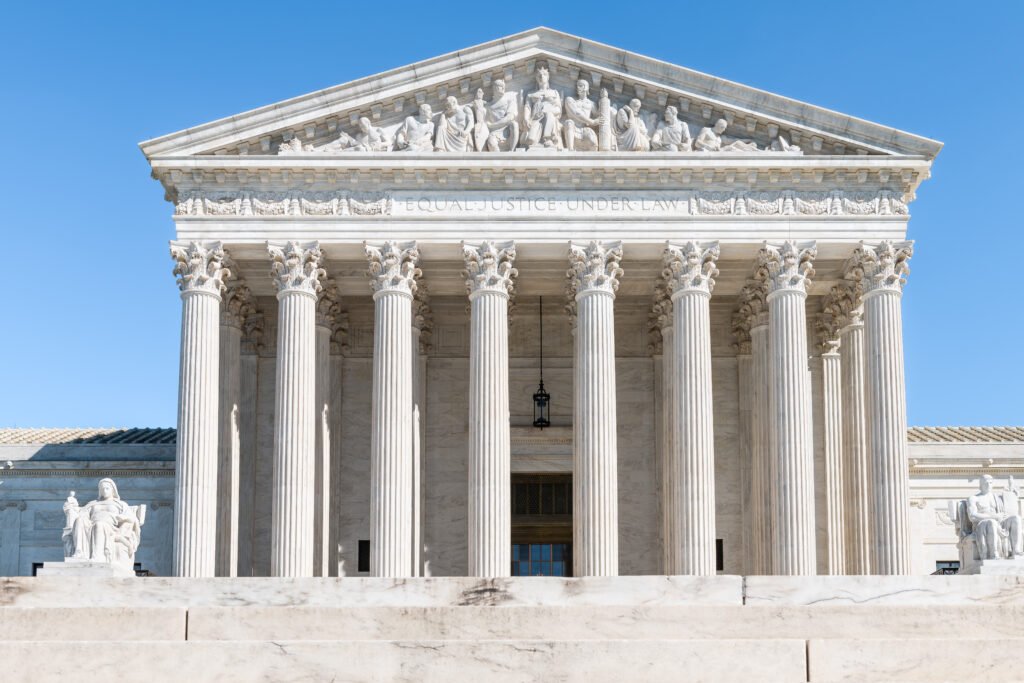
Prediction markets currently price the probability of Supreme Court certiorari acceptance on sports event contract regulation at 13.5%, with stable odds and moderate trading volume of $929,259. The market is evaluating whether SCOTUS will take up a case addressing the legality of sports contracts under federal commodity law, the interaction between CFTC regulation and state gambling laws, or the authority of federal and state regulators to restrict contracts offered through licensed markets. The case need only be granted certiorari—not heard or decided—by July 31, 2026 to trigger a \"Yes\" resolution.
Why It Matters
The regulatory treatment of sports event contracts has emerged as a significant legal and commercial question. The distinction between traditional sports betting, which many states have legalized, and derivatives contracts tied to sporting outcomes remains contested. A Supreme Court intervention would signal that lower courts or regulatory agencies had genuinely split on major questions of federal authority, state autonomy, or the scope of commodity futures regulation. Such a case could reshape how platforms operating federally licensed sports markets navigate an increasingly complex patchwork of state and federal rules.
Key Factors
Several elements constrain the probability at 13.5%. First, SCOTUS receives over 7,000 petitions annually but accepts fewer than 70 cases, making any grant a relatively rare event. Second, the sports betting and derivatives markets have developed without major circuit court splits or existential regulatory crises that typically prompt SCOTUS review. Federal regulators like the CFTC and state authorities have operated largely in parallel jurisdictions without triggering an urgent constitutional or statutory collision that demands Supreme Court resolution. Third, the question itself sits at the intersection of commerce, federalism, and gambling policy—domains where SCOTUS may prefer incremental regulatory development over broad pronouncement. Finally, the 18-month window to July 31, 2026 is relatively tight; cases that reach SCOTUS typically face multi-year litigation paths.
Outlook
The probability would likely rise if a major appellate court ruled against federal or state regulatory authority, creating a split, or if a high-profile platform or state regulatory action prompted a significant legal challenge. Conversely, should regulatory bodies reach informal consensus or Congress clarify statutory authority, pressure for certiorari would diminish. The current 13.5% pricing reflects a baseline expectation that while the question is substantive, existing legal and regulatory structures are managing it without forcing SCOTUS's hand in the near term.