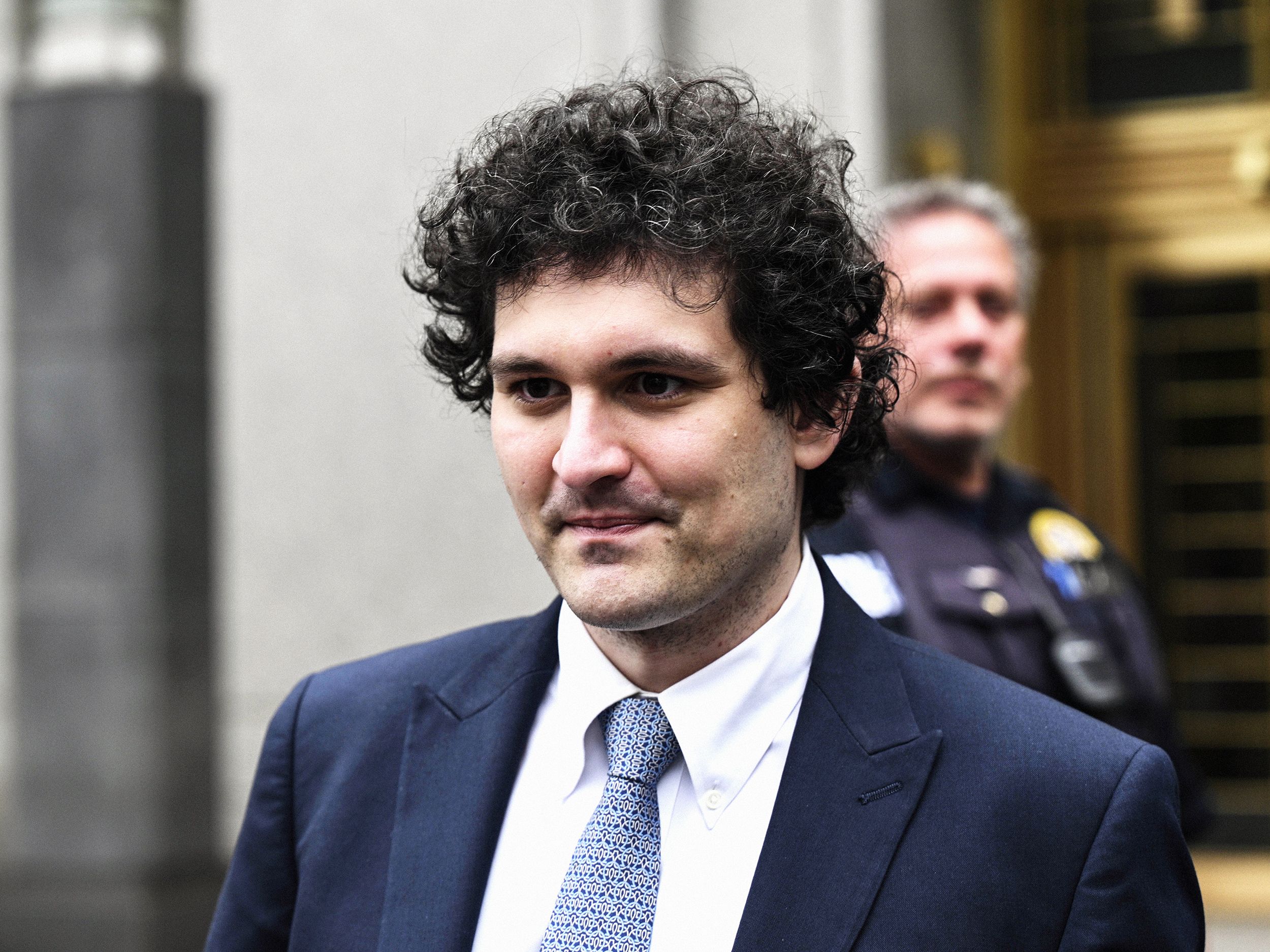
Market Overview
Prediction markets currently price the probability of Sam Bankman-Fried's release from custody by the end of 2026 at 7.5%, with the probability steady over the past 24 hours despite $340,410 in trading volume. The market definition is inclusive of multiple release scenarios—house arrest, parole, bond, or any condition removing him from state custody would resolve to \"Yes\"—yet the low odds suggest traders view even this broad outcome as improbable within the specified timeframe.
Why It Matters
Bankman-Fried's fate carries significance beyond individual circumstances. The FTX founder's case represents one of the most prominent cryptocurrency industry prosecutions, involving fraud charges tied to an estimated $8 billion customer loss. His sentencing outcome and any subsequent legal developments will likely influence regulatory and public perception of crypto market oversight. The possibility of early release through appeal, sentence reduction, or executive clemency touches on broader questions about the justice system's handling of high-profile financial crimes.
Key Factors
Several structural factors constrain the probability. Bankman-Fried received a 25-year sentence in November 2023 following conviction on seven counts of wire fraud and conspiracy. For release by end of 2026, he would need one of three pathways: a successful appeal overturning the conviction (highly unlikely within 3 years given appellate timelines), a sentence reduction through the federal Bureau of Prisons' compassionate release provisions (reserved for extraordinary circumstances), or presidential commutation (politically difficult given the case's prominence). Federal appeals typically span 18–36 months; even an expedited successful appeal would leave minimal time for release proceedings. The remaining sentence reduction avenue requires demonstrating changed circumstances or new evidence, a rare occurrence for recent convictions.
Outlook
The 7.5% odds appear calibrated to genuine but slim possibilities rather than base expectations. Movement in this market would likely follow major developments: a significant appellate ruling, a change in administration that might shift clemency considerations, or news of serious health issues triggering compassionate release discussions. Absent these catalysts, the probability may stabilize near current levels, reflecting the mathematical and legal improbability of release within the compressed 2026 timeline.