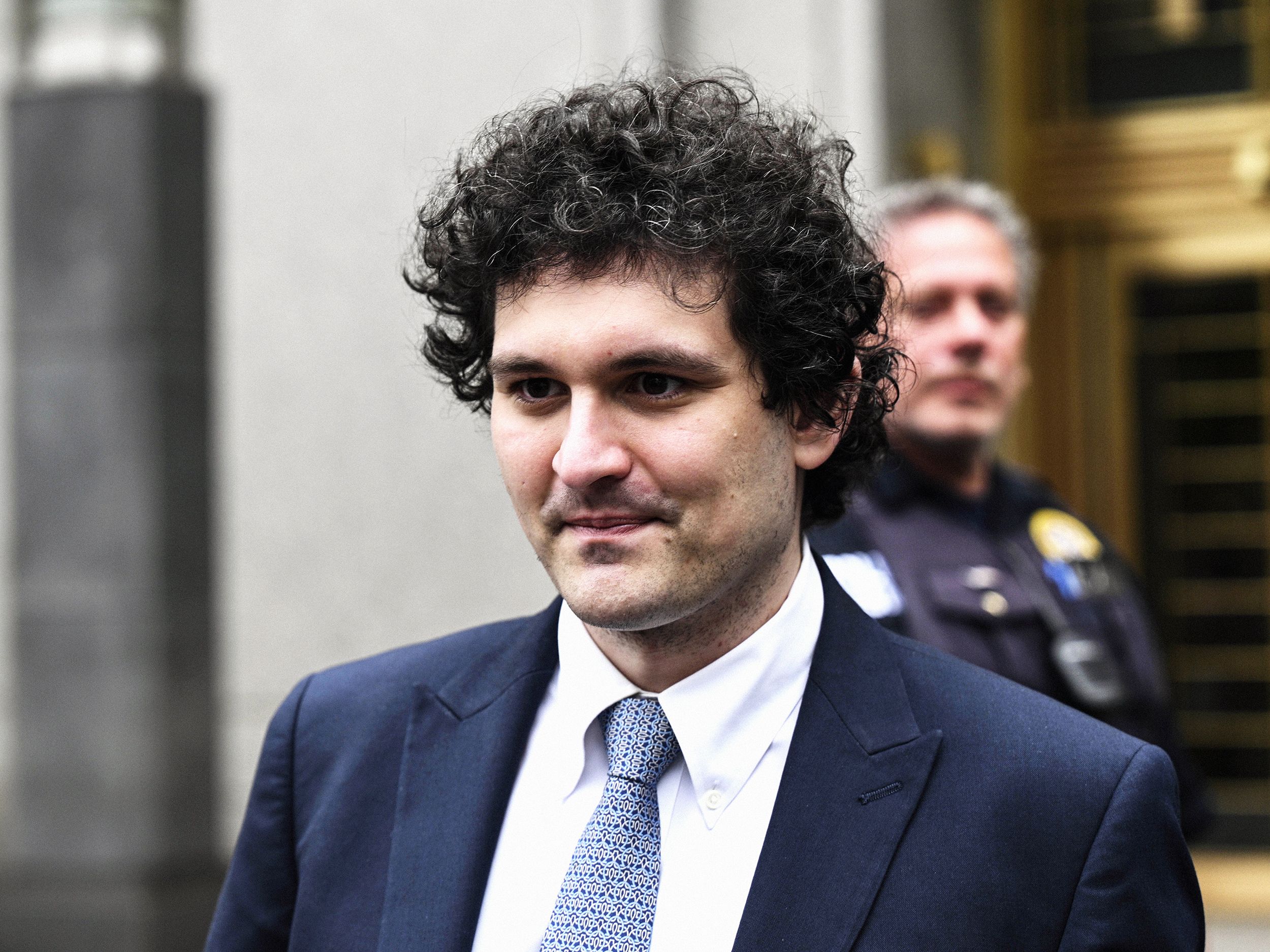
Market Overview
Prediction markets are pricing the probability of Sam Bankman-Fried's release from custody by year-end 2026 at just 5.5%, with the probability remaining stable over the past 24 hours. The market has drawn $326,894 in volume, indicating sustained interest in the outcome despite the low odds. This assessment encompasses any form of release from state custody, including house arrest, parole, or bond conditions, but excludes temporary court appearances or transfers between correctional facilities.
Why It Matters
SBF's incarceration represents one of the highest-profile criminal cases in recent financial history following the 2022 collapse of FTX. The outcome carries implications for discussions around white-collar crime sentencing, cryptocurrency regulation, and the broader financial accountability landscape. Whether an appeal, clemency, or other legal avenue might accelerate his release remains relevant to investors and observers tracking the case.
Key Factors
Several dynamics constrain the probability estimate. In November 2023, Bankman-Fried received a 25-year federal prison sentence after conviction on wire fraud and conspiracy charges related to FTX's collapse. The sentencing guidelines and conviction severity make early release through standard parole mechanisms highly improbable within a 26-month window. Appeal processes in federal cases typically extend well beyond two years, and successful reversals on convictions of this magnitude are exceptionally rare. Presidential clemency remains theoretically possible but would represent an extraordinary intervention given the case's public profile and the nature of the charges.
Outlook
For the 5.5% probability to materialize, an unexpected legal development would be required—either a successful appellate challenge to the conviction itself or an unprecedented clemency decision. Neither scenario commands substantial support in legal circles, given the trial's thoroughness and the political salience of the case. Markets appear to be pricing SBF's continued incarceration as the overwhelming baseline expectation through 2026, with the residual probability reflecting tail-risk scenarios rather than mainstream legal expectations.