Market Overview
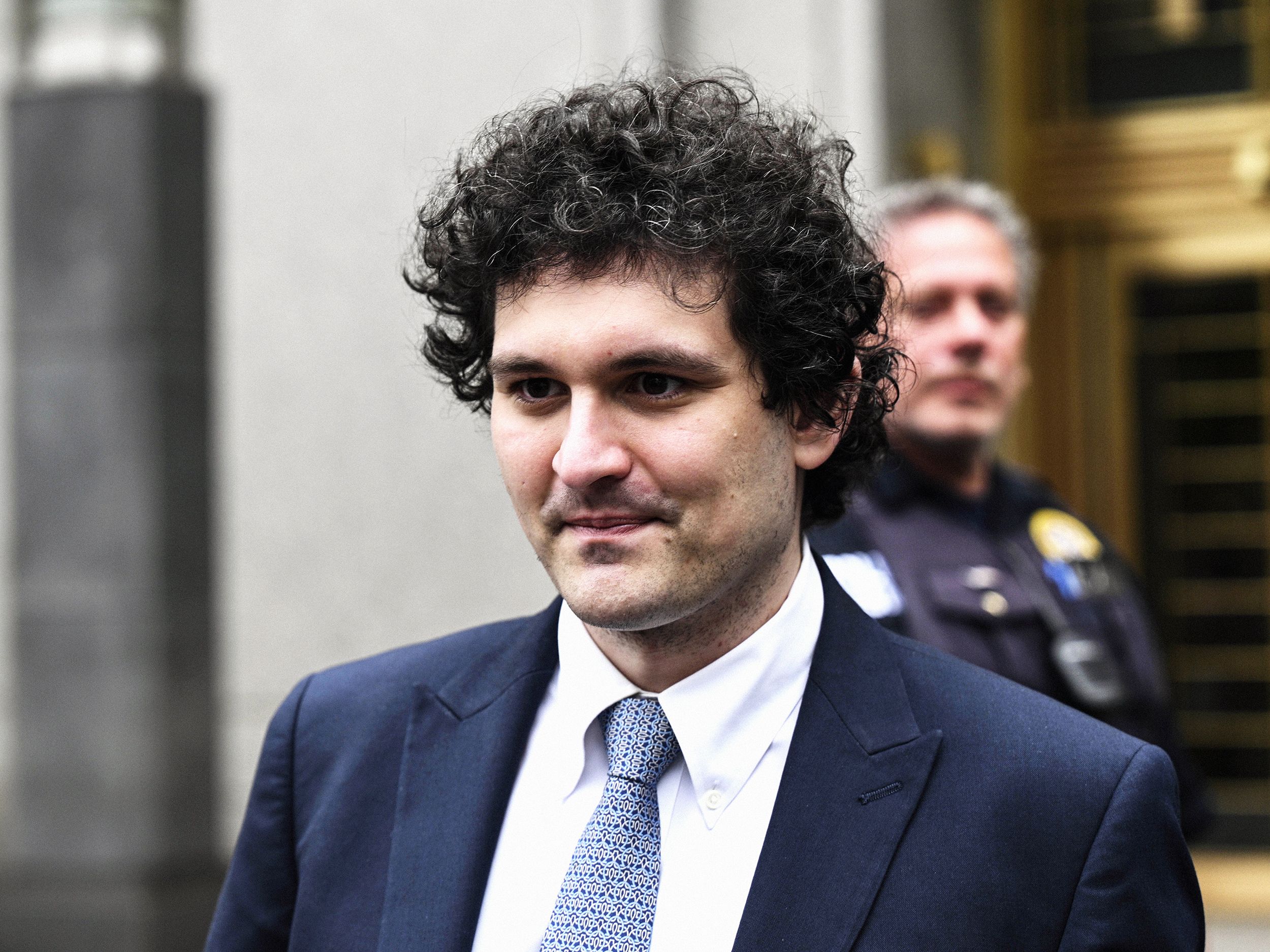
Prediction markets are pricing a Sam Bankman-Fried release from custody by December 31, 2026, at 7.5% probability, a level that has remained stable over the past day despite $340,000 in trading volume. The narrow odds indicate strong consensus skepticism that the FTX founder will leave state custody within roughly two years, whether through sentence reduction, parole, bond modification, or other legal mechanisms. The market's definition of release includes house arrest and parole, but excludes temporary outings for court appearances or transfers between detention facilities.
Why It Matters
SBF's case represents one of the most significant fraud prosecutions in recent U.S. financial history, with outcomes that will inform expectations about sentencing severity in major cryptocurrency-era crimes. The release timeline carries implications for victim compensation—FTX depositors and investors holding claims against Bankman-Fried's assets—and for the broader regulatory narrative around cryptocurrency exchange oversight. Markets pricing release at 7.5% effectively express confidence in a substantial sentence with minimal early-exit pathways, shaping public understanding of how the justice system is treating high-profile white-collar defendants.
Key Factors
Sentencing precedent dominates the probability calculus. Fraud convictions of comparable scale—involving billions in losses and multiple counts—typically result in sentences of 10 to 25 years. SBF was convicted in November 2023 on seven counts including wire fraud and conspiracy; absent an overturned conviction or dramatic appellate intervention, a sentence in the 10+ year range would place release by end-2026 out of reach. Federal parole was abolished in 1984, meaning release would require either presidential clemency (historically rare for active financial crimes convictions), sentence commutation, or successful appeal. Good-behavior credits and sentence reductions remain possible but would need to be substantial enough to overcome a lengthy baseline sentence imposed months after the conviction date already passed.
Appellate challenges and legal developments represent the primary vectors for earlier release. If major convictions were reversed on appeal, SBF could potentially be retried, acquitted, or face reduced charges. Similarly, a successful constitutional challenge or prosecutorial misconduct finding could theoretically lead to release or retrials with different outcomes. These scenarios remain plausible but are weighted by markets as unlikely within the two-year window, particularly given the strength of prosecution evidence presented at trial.
Outlook
The 7.5% probability is likely to shift materially only upon significant appellate decisions, changes in sentencing guidance, or extraordinary legal developments. Conversely, if SBF receives a lengthy sentence (15+ years) at his scheduled sentencing, markets may compress the release probability further. The stability in pricing over the past 24 hours suggests traders have settled on a baseline expectation aligned with standard fraud sentencing outcomes. Key events to watch include the formal sentencing hearing, any filed appeals or motions for new trial, and broader shifts in federal sentencing policy that could theoretically affect release eligibility.