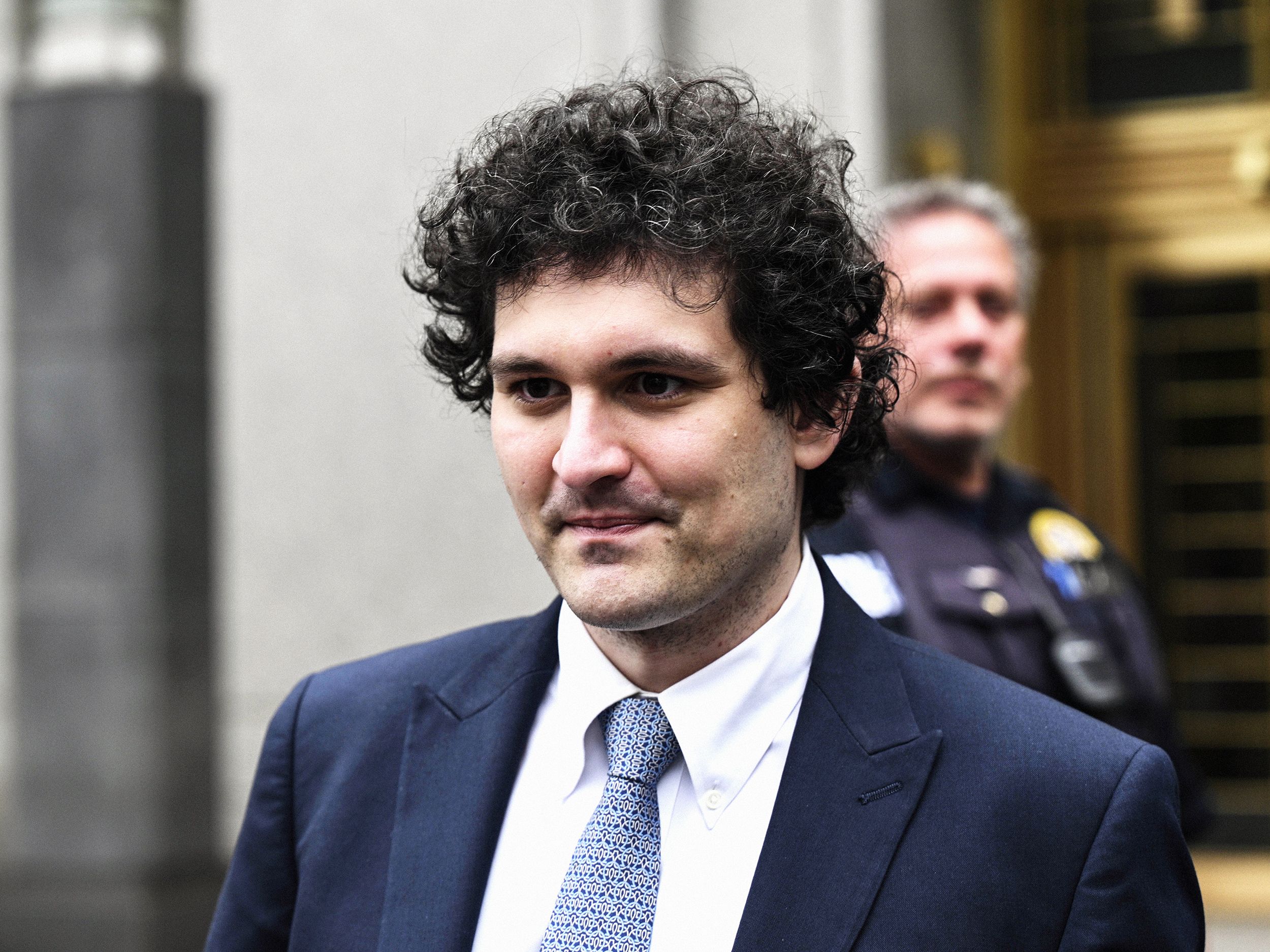
Market Overview
Prediction markets are currently pricing the likelihood of Sam Bankman-Fried's release from custody by December 31, 2026 at 8.5%, down slightly from 9.5% a day prior. The market has accumulated $312,396 in trading volume, indicating sustained interest in the outcome despite the relatively low implied probability. The narrow timeframe—roughly two years from present conditions—and the stringent definition of release (any exit from state custody, including house arrest or parole) suggest traders view near-term freedom as an improbable scenario.
Why It Matters
The FTX founder's legal status carries implications for cryptocurrency regulation, investor restitution efforts, and broader questions about accountability in the digital asset industry. Bankman-Fried's sentence and timeline for potential release will influence how quickly victims can pursue civil claims and whether regulatory reforms prompted by FTX's collapse gain momentum. Markets pricing his release within 24 months at just 8.5% suggest little expectation of successful appeals, commutations, or early release mechanisms delivering freedom in that window—a reflection of the severity of convictions and typical sentencing structures in federal cases.
Key Factors
Several elements shape the low probability. Bankman-Fried was convicted in November 2023 on seven counts of conspiracy and fraud, with sentencing occurring in November 2024. Federal sentences in major white-collar cases typically span 10-20+ years, and early release programs such as good time credits or compassionate release petitions face high hurdles. Appeals could extend his legal process, but courts rarely overturn fraud convictions of this magnitude. The two-year resolution window captures only the early phase of any post-conviction appeals, making release within that period contingent on extraordinary circumstances—successful appellate reversal, medical emergency grounds, or executive clemency—all currently assigned low probability by markets.
Outlook
Market participants appear anchored to baseline expectations: a lengthy federal sentence with minimal opportunity for release before 2027. Shifts in the probability would likely require concrete developments such as successful appellate arguments, significant health crises warranting compassionate release, or political advocacy for commutation gaining traction. The current 8.5% odds reflect a consensus view that such scenarios remain distant possibilities rather than likely paths. Continued legal proceedings, any appellate rulings, and changes in political climate around executive clemency will be the primary signals to monitor for material moves in this market.