Market Overview
The prediction market for whether Reza Pahlavi will lead Iran by December 31, 2026, is pricing in roughly a one-in-ten chance of this outcome, with odds stable at 9.5% over the past day. The market has attracted over $1.1 million in volume, indicating substantial interest in Iran's political future. The resolution criteria are stringent: Pahlavi must exercise de facto governing authority over Iran's state apparatus, including control of armed forces, executive institutions, and core decision-making power—a threshold that goes beyond mere international recognition or exile leadership status.
Why It Matters
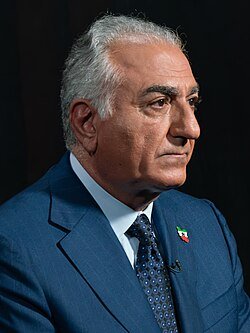
Iran's political trajectory remains consequential for regional stability, sanctions dynamics, and nuclear negotiations. Reza Pahlavi, the son of Shah Mohammad Reza Pahlavi who fled after Iran's 1979 revolution, has positioned himself as a symbol of secular, monarchist opposition to the Islamic Republic. A transition to his leadership would represent a fundamental rupture with four decades of revolutionary governance and constitute a watershed moment in Middle Eastern geopolitics. For investors and policymakers, this market reflects assessments of regime fragility and succession risk in Iran's current political system.
Key Factors
The 9.5% probability reflects multiple structural obstacles to such a transition within 15 months. The Iranian state apparatus remains deeply entrenched around the Islamic Republic's institutions, with the Supreme Leader and Revolutionary Guard Corps maintaining centralized control over security forces. While Iran faces chronic economic problems, civil discontent, and international isolation, these pressures have not manifested as an imminent organizational challenge to state power. Pahlavi's exiled status and limited organizational infrastructure within Iran limit his capacity to translate external support into effective domestic governance. Additionally, the market's resolution criteria explicitly exclude scenarios of prolonged state collapse without functioning authority—a high bar that would require not merely regime fall but Pahlavi's active consolidation of control.
The timeframe compounds the improbability. Fifteen months is brief for the kind of coordinated internal fracture and subsequent institutional reorganization a Pahlavi transition would require. Historical precedents for rapid regime collapse in geopolitically significant states are uncommon, and Iran's security establishment has demonstrated organizational capacity to suppress large-scale internal challenges.
Outlook
The stable probability suggests market participants view a 2026 transition as a tail-risk scenario rather than a realistic base case. Material developments that could shift this assessment would include accelerating institutional fractures within Iran's security apparatus, significant defections among senior military or Revolutionary Guard leadership, or an external shock that delegitimizes the current regime rapidly. Conversely, any consolidation of internal control or marginalization of exile opposition movements could further compress these odds. Traders should monitor indicators of regime cohesion, factional tensions within Iran's ruling structure, and the organizational trajectory of opposition movements as the relevant signals for probability adjustment.