Market Overview
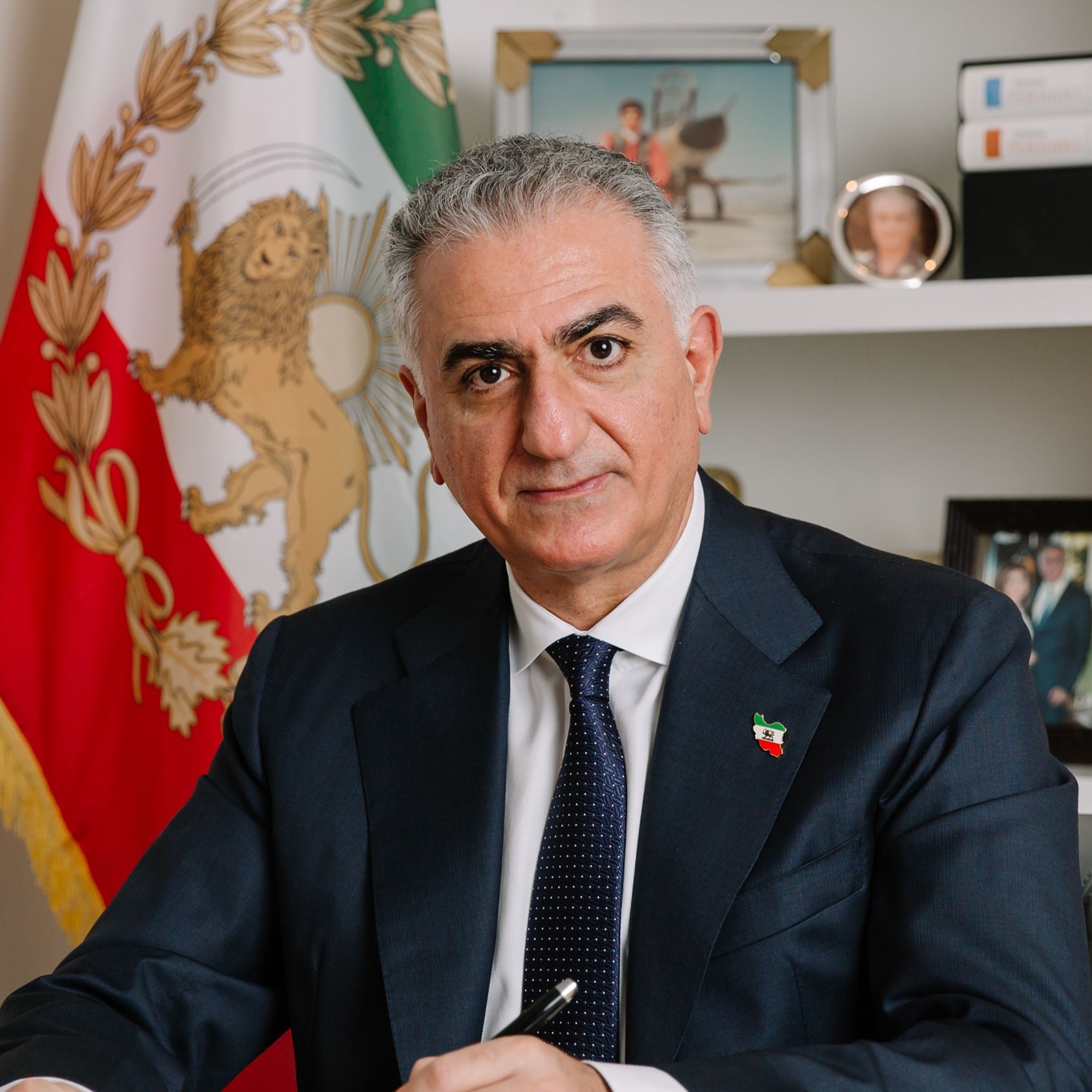
Prediction markets are currently assessing a 6.5% probability that Reza Pahlavi, the exiled son of Iran's last shah, will enter Iran within the next 18 months. The market has attracted substantial liquidity, with over $3.1 million in trading volume, indicating serious engagement from participants betting on Iran's political trajectory. The probability has inched upward from 5.5% one day prior, though this modest 1 percentage point shift remains within typical daily volatility for geopolitically-sensitive markets.
Why It Matters
Reza Pahlavi's potential return to Iran would signal a dramatic shift in the country's political landscape. As a prominent opposition figure and advocate for regime change, his entry into Iran would likely indicate either a major destabilization of the Islamic Republic or a significant opening in its policies toward dissent. The low probability currently reflected in markets underscores how far the possibility remains from consensus expectation, given the Iranian government's historical intolerance of opposition leaders and the significant personal risks such a visit would entail.
Key Factors
Several structural factors suppress the probability near historical lows. The Islamic Republic maintains tight control over its borders and has shown consistent hostility toward prominent opposition figures. Reza Pahlavi operates from exile in the United States and maintains a critical stance toward the current Iranian regime, making an unannounced return highly improbable under normal circumstances. Any visit would likely require either a fundamental change in Iran's government or a dramatic negotiated settlement—scenarios that remain distant from current political realities. Additionally, the personal security risks to Pahlavi himself would be substantial, as Iranian authorities could detain him upon entry.
Outlook
The 6.5% probability reflects the thin tail of scenarios in which Iran's political situation undergoes rapid transformation within 18 months. These might include successful popular uprisings, negotiated transitions following regime instability, or diplomatic breakthroughs that could enable opposition figures to return. With no imminent catalyst visible on the horizon, markets suggest participants view such developments as unlikely but not impossible. The modest 1 percentage point increase in recent hours could reflect either genuine shifts in geopolitical sentiment or normal market noise among retail traders following international developments in Iran.