Market Overview
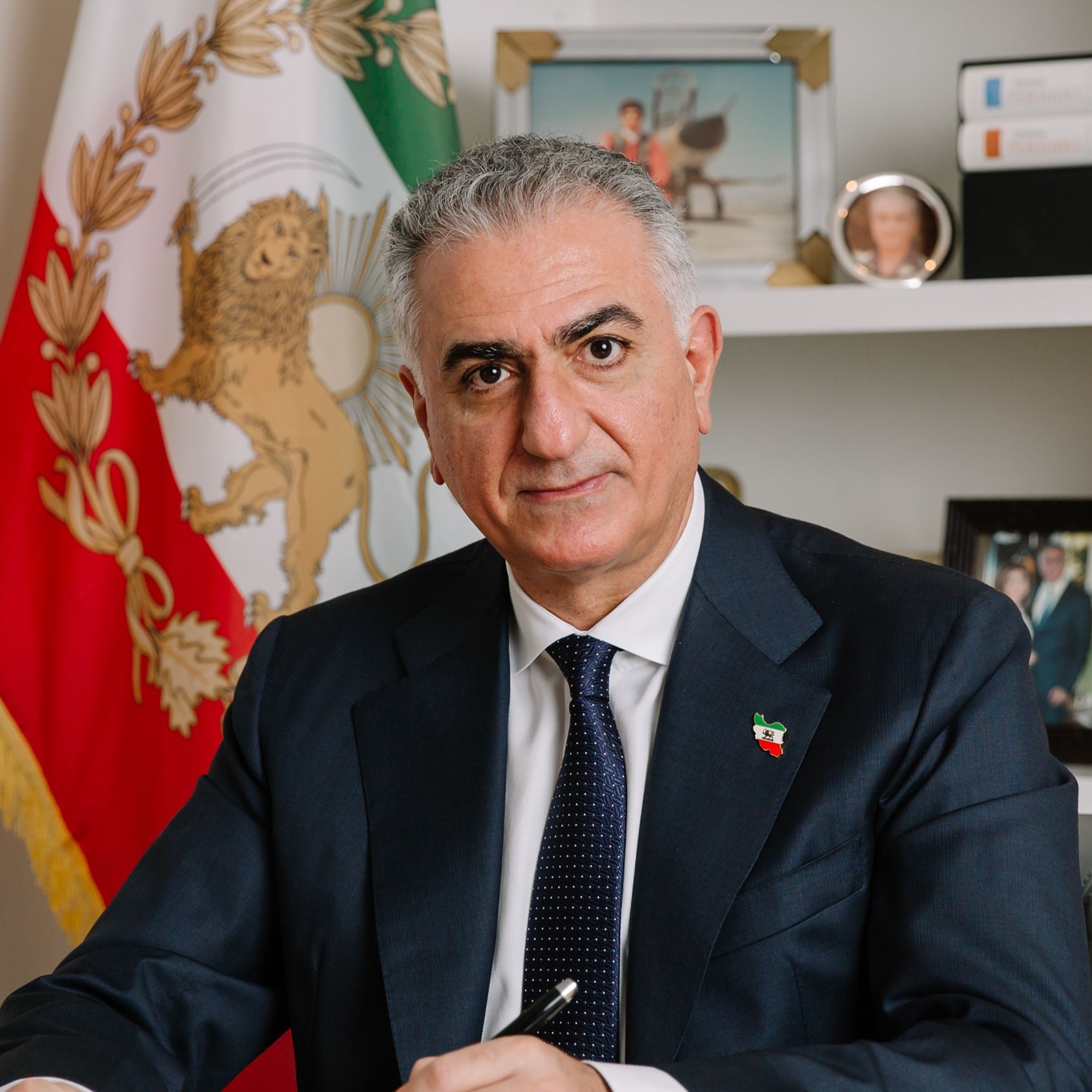
The prediction market assessing whether exiled Iranian opposition figure Reza Pahlavi will enter Iran within the next 18 months has stabilized at a 5.5% probability, reflecting trader consensus that such a visit remains highly unlikely in the near term. The market has attracted substantial liquidity, with total volume reaching $3.57 million, suggesting this outcome holds genuine interest among traders despite the low odds. The probability has remained flat over the past 24 hours, indicating a stable equilibrium among market participants who have priced in available information and context.
Why It Matters
Reza Pahlavi's potential return to Iran carries significant geopolitical implications. As the exiled son of Shah Mohammad Reza Pahlavi, he represents a symbolic figurehead for Iran's monarchist opposition movement, which has gained visibility particularly following the 2022-2023 anti-government protests in Iran. Any physical return would represent a dramatic shift in Iran's internal dynamics and could signal either a major political transformation within the Islamic Republic or a fundamental change in the regime's tolerance for opposition figures. The market's assessment therefore serves as a gauge of traders' expectations regarding regime stability and potential succession scenarios over the coming 18 months.
Key Factors
The low probability reflects multiple structural barriers to Pahlavi's entry. The Iranian government has shown no signs of permitting his return, and doing so would represent an extraordinary reversal of regime policy established since the 1979 revolution. Pahlavi currently resides in the United States and maintains his opposition activities from exile; his arrest would be virtually certain upon entry given Iranian law and the regime's treatment of opposition figures. Additionally, the timeframe involved—by June 2026—covers a period of no scheduled major political transitions in Iran, making spontaneous regime change or policy reversal unlikely. The market's pricing suggests traders view the scenario as primarily dependent on unforeseen major political upheaval within Iran, a low-probability event within this specific window.
Outlook
Movements in this market would likely require signals of significant instability within the Iranian regime or dramatic international pressure campaigns. Any escalation of internal unrest, succession crises, or unexpected diplomatic breakthroughs between Iran and Western powers could shift probabilities upward, though substantial moves would require genuine indications of policy change rather than mere speculation. Conversely, the market could consolidate further toward zero if the timeframe passes without meaningful developments. Traders monitoring this market should watch for Iranian domestic political developments, regime statements regarding opposition figures, and any unexpected diplomatic channels that might emerge between exile communities and Iranian authorities.