Market Overview
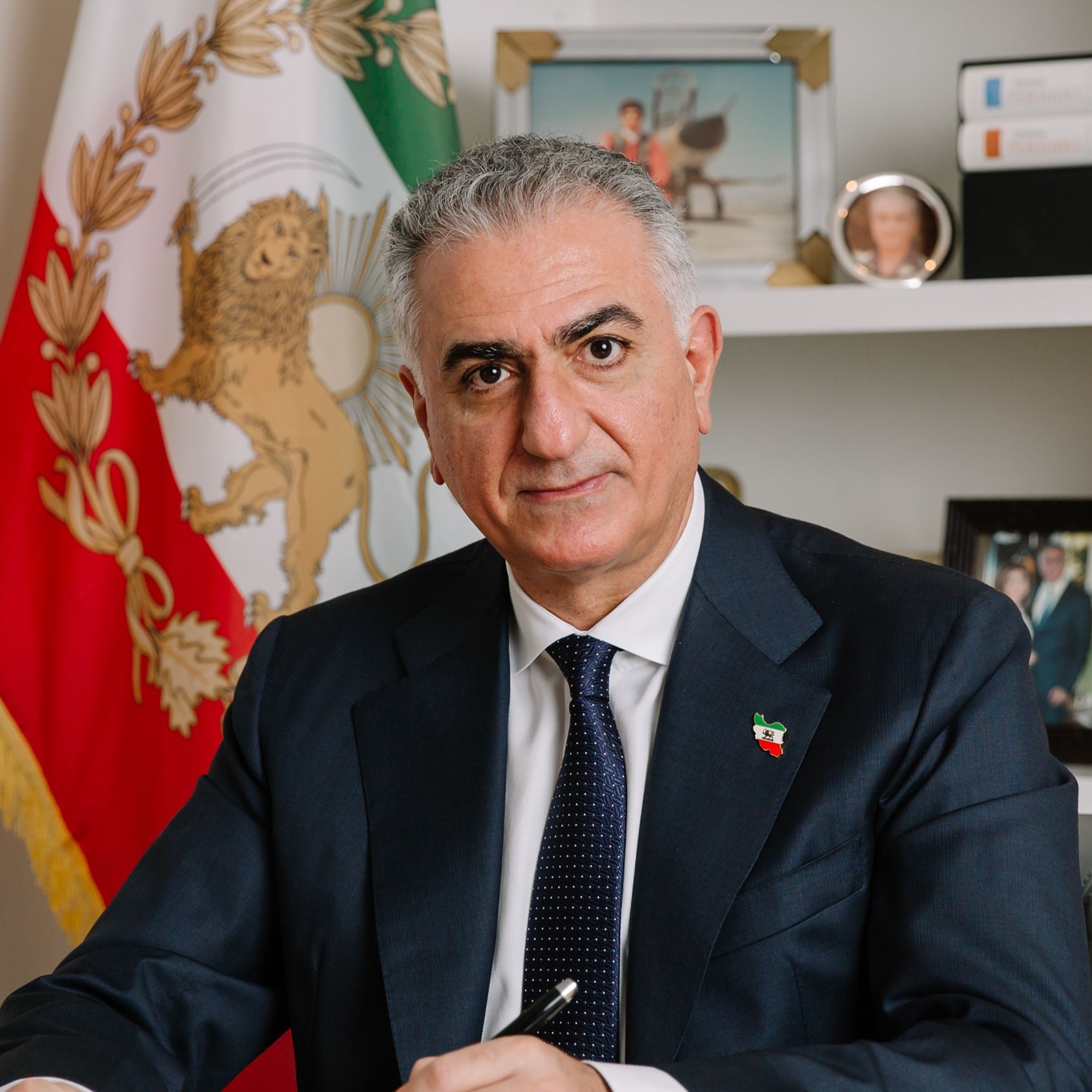
Prediction markets are assigning a 5.5% probability to Reza Pahlavi entering Iranian territory before June 30, 2026, with this assessment holding steady over the past 24 hours despite substantial trading volume of $3.58 million. The market definition specifically requires physical entry into Iranian terrestrial territory, excluding any transit through airspace or maritime zones. This relatively low odds reflect bettors' view that a return by the son of Iran's last shah remains a distant prospect despite the dramatic regional upheaval of recent years.
Why It Matters
Reza Pahlavi's potential return to Iran carries symbolic and political weight far exceeding a simple travel story. The 63-year-old exiled prince has positioned himself as a rallying figure for Iranian opposition to the Islamic Republic, particularly since the 2022 Mahsa Amini protests. Any return would likely signal a fundamental shift in Iran's political trajectory or a dramatic collapse of state authority. For markets, the question serves as a barometer for assessments of regime stability and the viability of opposition movements—metrics that influence everything from sanctions policy to regional security assumptions.
Key Factors Driving Low Probability
Several structural barriers explain the subdued odds. The Islamic Republic's security apparatus remains intact despite internal dissent, with the regime treating Pahlavi as a symbol of Western-backed monarchism and actively discouraging any such return through both legal and implicit security threats. Pahlavi himself resides in the United States and has pursued opposition work from exile rather than undertaking high-risk in-person organizing. The 18-month timeframe to June 2026 is relatively compressed—meaningful political transitions typically unfold over years. Additionally, any unannounced return would face extreme detection risks given Iran's border controls and intelligence capabilities, while an announced visit would require unprecedented political conditions or regime collapse, scenarios that current market pricing suggests appear unlikely.
Potential Catalysts for Repricing
The probability could shift materially under specific scenarios: a significant weakening of Iran's central authority, major diplomatic breakthroughs creating space for reconciliation with opposition figures, escalating civil unrest that emboldens opposition movements, or unexpected changes in regional power dynamics following conflicts or sanctions regimes. Conversely, continued regime consolidation, crackdowns on dissent, or Pahlavi's reduced visibility in opposition organizing would likely reinforce the current low probability. Traders monitoring this market would be watching developments in Iran's internal stability, U.S.-Iran relations, and the organizational capacity of exiled opposition networks for signals of meaningful repricing.