Market Overview
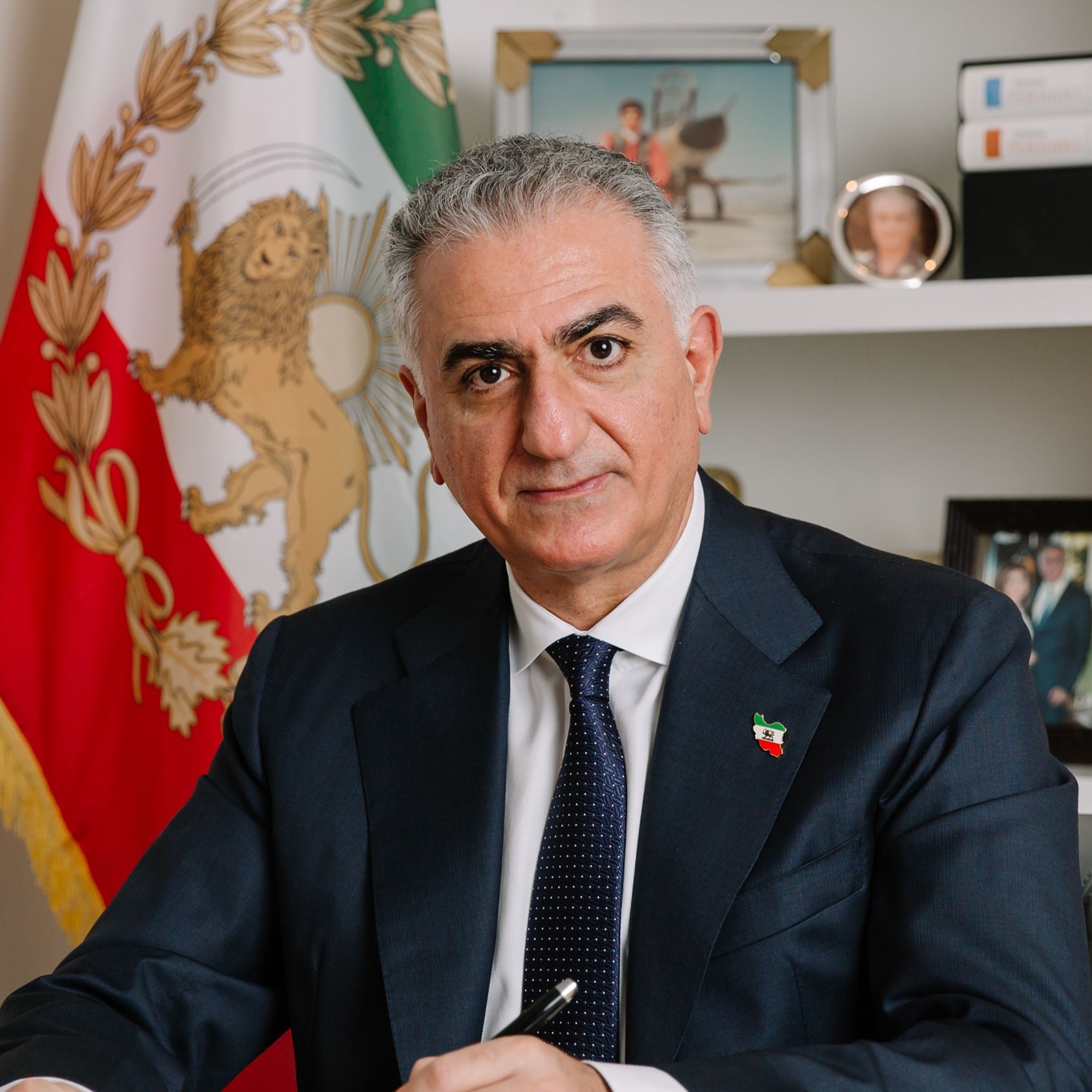
Prediction markets are currently pricing the probability of Reza Pahlavi, the exiled son of Iran's last shah, returning to Iranian territory by June 30, 2026 at 5.5%, down slightly from 6.5% a day earlier. The market has generated approximately $3.5 million in trading volume, indicating substantial interest in the question despite the low baseline probability. The odds reflect traders' assessment that such a visit—requiring the opposition figure to physically enter Iran—remains a remote possibility within the specified 18-month window.
Why It Matters
A return by Pahlavi would signal a fundamental shift in Iran's political landscape and internal stability. As the primary figurehead of the Iranian opposition abroad, Pahlavi has long been a symbolic rallying point for those opposed to the Islamic Republic, particularly among exiles and some segments of the diaspora. His ability to safely return would likely indicate either a significant weakening of the regime's control, a negotiated political transition, or a dramatic reversal in state policy toward the opposition—scenarios that would carry broad implications for regional geopolitics and Iran's future trajectory.
Key Factors
Several structural factors underpin the market's low probability assessment. The current Iranian government has shown no indication of tolerating the opposition figure's return, and Pahlavi faces serious security risks given his symbolic importance and past family ties to the pre-1979 regime. The likelihood of sudden political upheaval capable of enabling such a return within 18 months appears remote given the regime's consolidated security apparatus. Additionally, Pahlavi himself has generally pursued opposition activities from exile in the United States and Europe, where he maintains greater personal safety and political freedom. Any visit would require either extraordinary political circumstances—such as a broader collapse of state authority, a military intervention, or comprehensive regime change—or a negotiated settlement between opposition and regime factions, neither of which shows signs of emerging in the near term.
Outlook
The modest decline from 6.5% to 5.5% over 24 hours suggests stable market sentiment rather than shifting expectations. Developments that could substantially increase the probability would include: major internal instability or civil unrest within Iran, credible reports of regime collapse or succession crisis, international military intervention, or announcement of negotiations between opposition and government. Conversely, continued regime consolidation or strengthening of state security apparatus could push odds even lower. Markets will likely remain anchored to low probabilities absent concrete signals of political transformation.