What Happened
A prediction market assessing the likelihood of the Bab el-Mandeb Strait becoming effectively closed by April 30 experienced a sharp repricing, with odds climbing 49.2 percentage points to 50.1% on volume exceeding $1.5 million. The market resolves to \"Yes\" if IMF PortWatch data shows a 7-day moving average of ship arrivals at the strategic waterway drops to 10 or fewer vessels, a threshold that would indicate severe transit disruption. This represents the first time the market has approached even odds, signaling a material shift in how traders assess closure risk.
Why It Matters
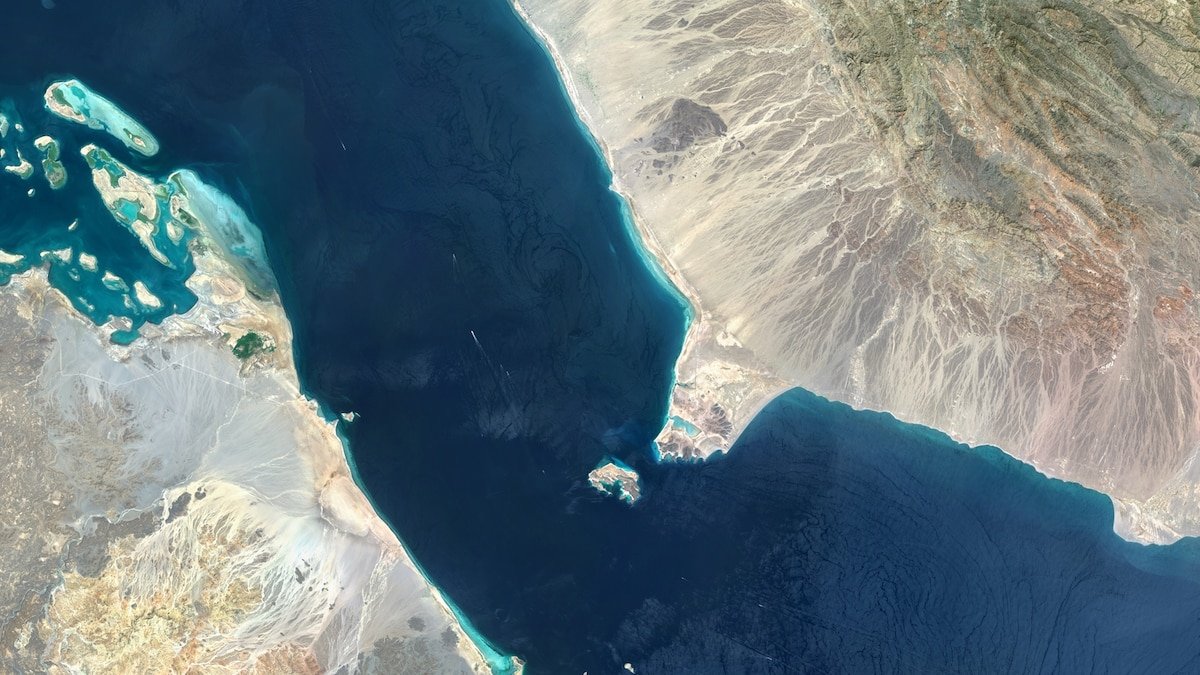
The Bab el-Mandeb Strait serves as one of the world's most critical shipping chokepoints, connecting the Red Sea to the Gulf of Aden and the Indian Ocean. Approximately 12-15% of global maritime trade typically transits the strait, carrying oil, liquefied natural gas, and containerized goods between Europe, Asia, and the Middle East. A sustained closure would force vessels to reroute around the Cape of Good Hope—adding 10-15 days to transit times and substantially raising shipping costs. The market's repricing reflects concerns that current security threats could intensify enough to severely constrain voluntary passage through the strait.
Market Context
The prediction market surge aligns with geopolitical escalation in the Red Sea, where Houthi militants have conducted attacks on commercial vessels citing regional tensions and the Israeli-Palestinian conflict. These attacks have already prompted some shipping lines to voluntarily avoid the strait, reducing transit volumes. The market's underlying data source—IMF PortWatch ship arrival statistics—provides an objective measure of whether disruptions reach the critical 10-vessel threshold. The 49-point repricing suggests traders now assess a meaningful probability that either attacks will intensify or insurance costs and security concerns will accumulate to the point where voluntary traffic routes away from the strait on a sustained basis.
Outlook
The market will resolve based on official IMF PortWatch data through April 30, with allowances for revisions published before that date. Traders face an inherent timing risk: the resolution requires not just a single day of low traffic, but a 7-day moving average at or below 10 arrivals, a metric that would reflect persistent disruption rather than temporary fluctuations. The current 50% probability should be interpreted as genuine uncertainty—traders are split on whether shipping impacts will reach that severity threshold. Continued maritime incidents, insurance policy changes, or escalating regional conflict could push odds higher, while stabilization or de-escalation could reverse recent gains.