What Happened
Prediction market participants substantially increased their assessment of the likelihood that a Category 5 hurricane will make landfall in the conterminous United States before the end of 2026. The market price moved 18.5 percentage points from 11% to 29.5% on volume exceeding $131,000, representing a meaningful repricing of this high-impact weather scenario. The shift reflects a consensus view among traders that the probability of such an extreme event occurring within the timeframe has nearly tripled.
Why It Matters
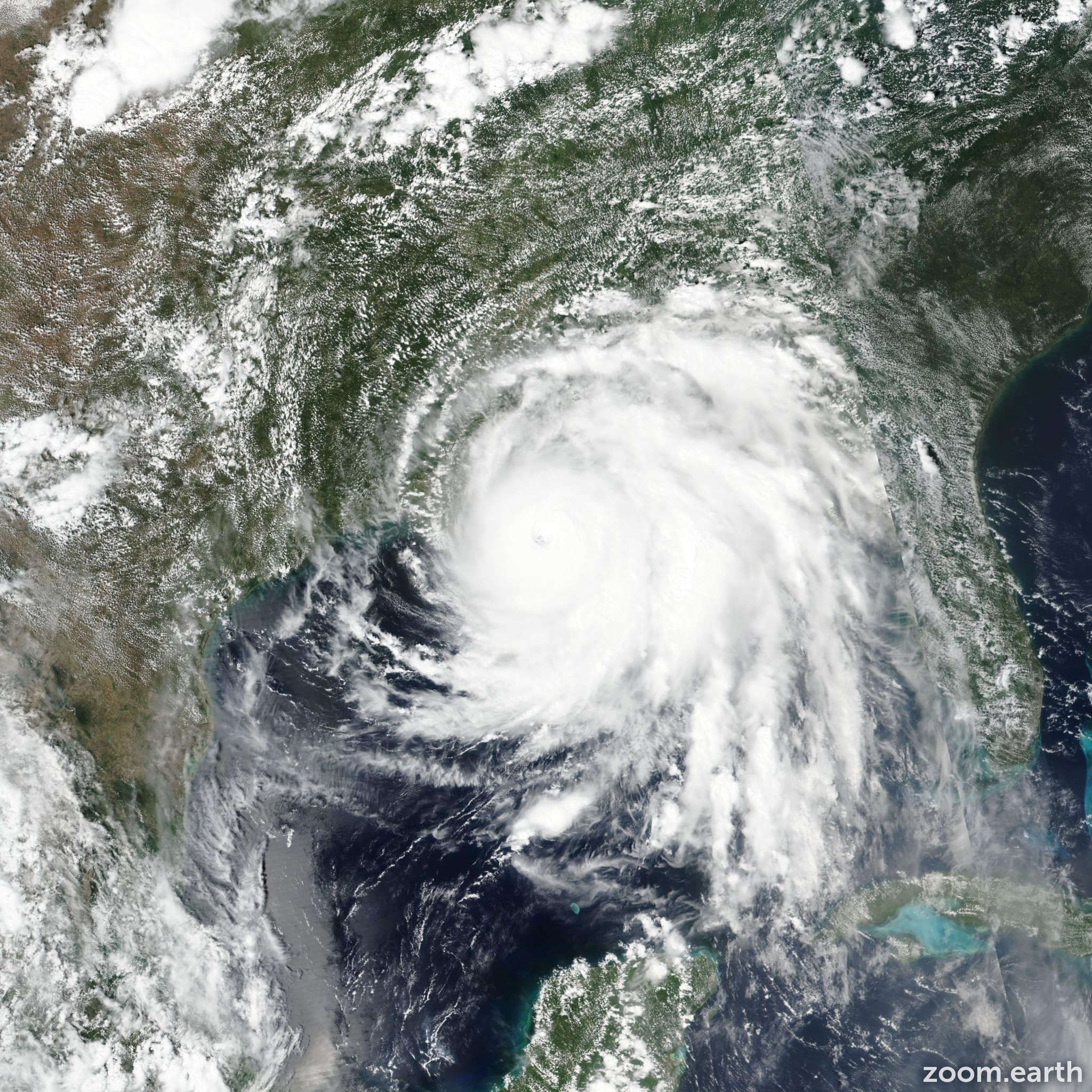
Category 5 hurricanes represent the most destructive storms in the Saffir-Simpson scale, with sustained winds of 157 mph or higher capable of causing catastrophic damage. A direct landfall of such a storm would have enormous implications for infrastructure, public safety, and disaster preparedness planning along US coastal regions. The market's repricing suggests new information has entered traders' decision-making calculus regarding atmospheric and oceanic conditions that influence hurricane intensity and track.
Market Context
Prediction markets on climate and weather events aggregate distributed information and reflect real-time risk reassessment based on available data. The magnitude of this move—nearly 170% relative increase in implied probability—indicates either significant new seasonal forecasting updates, recent hurricane activity data, or revised assessments of climate conditions conducive to rapid intensification. The substantial trading volume confirms this represents a genuine shift in market consensus rather than illiquid, speculative movement.
Outlook
The elevated odds now embedded in this market will likely persist unless market participants revise their expectations downward based on subsequent meteorological or climate data. The prediction market outcome will ultimately resolve based on official National Hurricane Center determinations through December 31, 2026. Traders and risk analysts monitoring this market will be watching seasonal hurricane forecasts and Atlantic basin conditions closely for signals that either validate or contradict the current elevated probability assessment.