What Happened
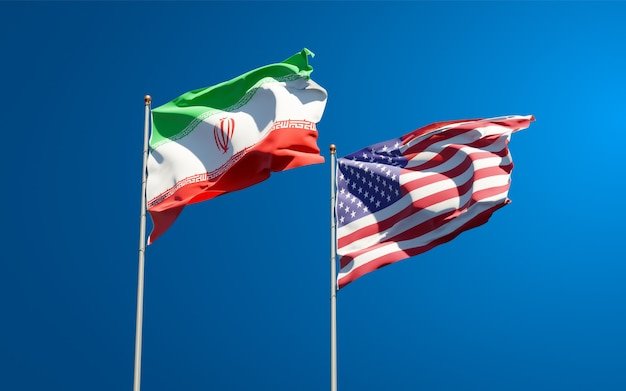
A prediction market focused on the probability of a direct diplomatic meeting between US and Iranian representatives declined significantly over recent trading activity. The market price dropped from 54.5% to 39.5%—a 15 percentage-point decline—on substantial volume of $537,451, representing a meaningful repricing of diplomatic odds. The market defines a qualifying meeting as an in-person gathering between authorized government representatives aimed at negotiation or diplomacy regarding bilateral relations, including indirect meetings through authorized mediators, and requires public acknowledgment or credible media consensus.
Why It Matters
Prediction markets aggregate dispersed information and financial incentives into probability signals that often reflect real-world assessments of geopolitical developments. A 15-point repricing on this scale suggests traders perceive a material shift in the diplomatic landscape between the United States and Iran. The substantial trading volume indicates this was not a minor adjustment but reflected genuine conviction among market participants. The timing coincides with ongoing discussions about US foreign policy direction under the Trump administration and evolving regional dynamics, making the market signal potentially consequential for understanding near-term diplomatic prospects.
Market Context
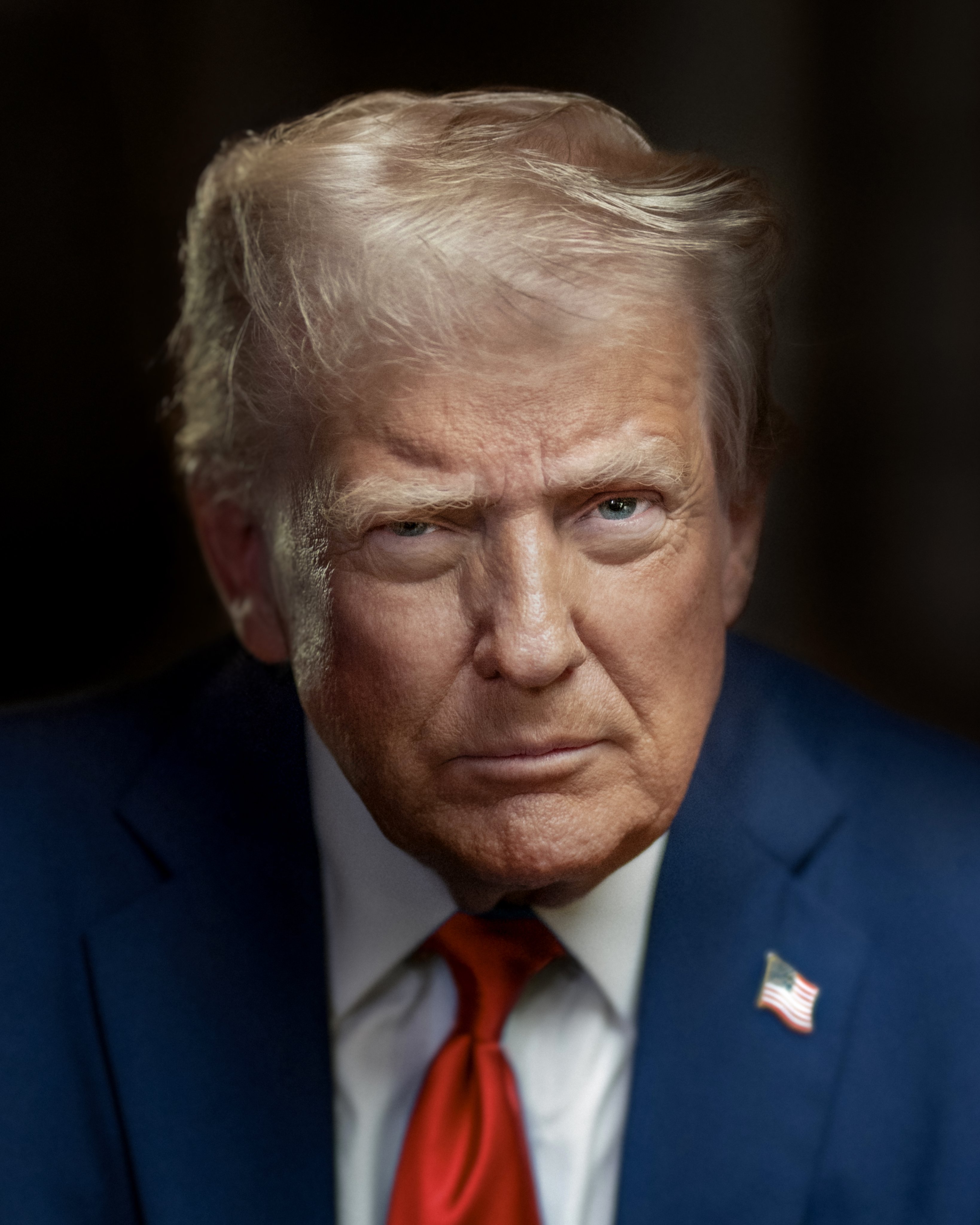
The market carries tags including \"Trump,\" \"Iran ceasefire,\" and \"Vance\"—references suggesting the price movement may reflect assessments of current US policy direction and personnel. The decline in diplomatic meeting odds could indicate trader skepticism about the administration's openness to direct negotiations, or conversely, optimism about achieving regional stability through alternative means. The 39.5% probability still represents meaningful odds—neither dismissing diplomatic contact as impossible nor treating it as probable—suggesting traders see genuine uncertainty about the 16-month timeframe.
Outlook
The market will continue tracking this outcome through April 2026, with future price movements potentially signaling new developments in US-Iran relations, leadership changes, or regional events affecting bilateral engagement prospects. Traders will likely adjust positions based on official statements, diplomatic overtures, or shifts in regional tensions. The current 39.5% level represents a baseline expectation that direct talks remain possible but increasingly uncertain in the near term.