Market Overview
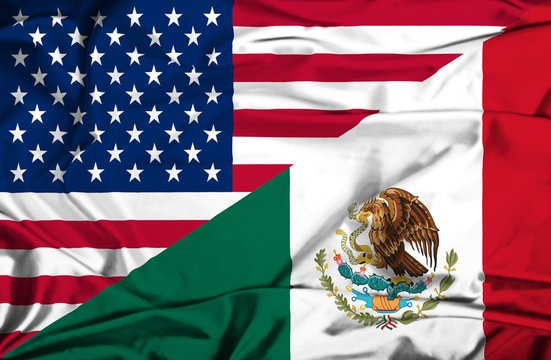
Prediction market traders are assigning a 14% probability to a US-initiated drone, missile, or air strike on Mexican soil occurring by the end of 2024. The market defines a qualifying strike narrowly as aerial munitions—bombs, drones, or missiles launched by US operatives including military forces, intelligence agencies, or other government officials that physically impact terrestrial Mexican territory. With $615,974 in trading volume and odds unchanged over the past 24 hours, the market reflects a relatively stable assessment of this geopolitical scenario despite ongoing bilateral tensions.
Why It Matters
A US strike on Mexico would represent an extraordinary escalation in bilateral relations between neighboring nations and close trading partners. Such an action would likely trigger severe diplomatic consequences, potential legal challenges under international law, and could destabilize North American security arrangements. The market's willingness to price this scenario at double-digit probability—despite its dramatic nature—suggests traders perceive meaningful downside risk, even if the base case remains that such action remains highly unlikely. For observers of US foreign policy and Mexico relations, the market's pricing reflects genuine uncertainty about potential escalation vectors.
Key Factors
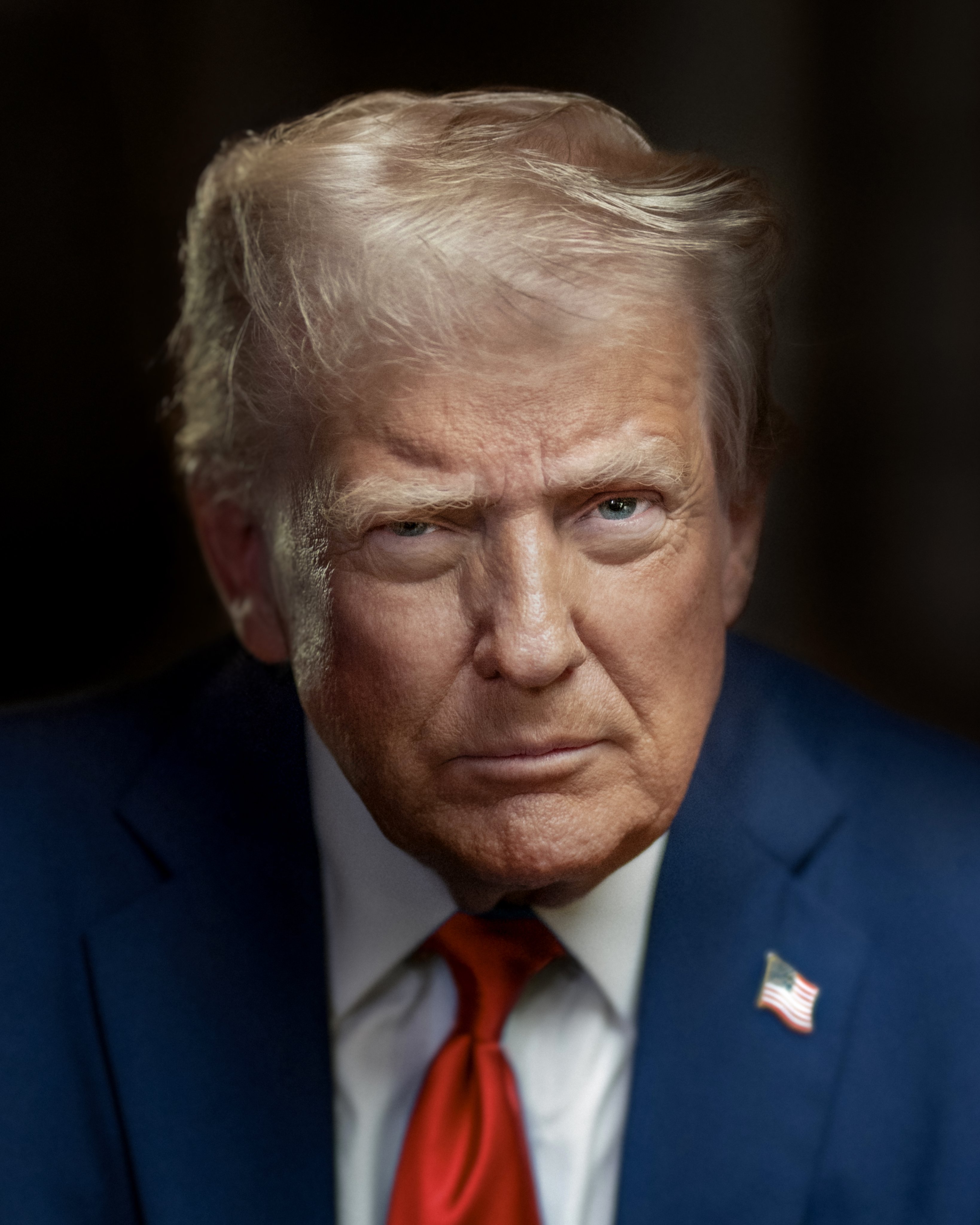
Several dynamics appear to be driving the 14% probability assessment. Rhetoric surrounding cartel violence, border security, and potential US military incursions into Mexican territory has intensified periodically. The market definition includes strikes claimed by either Donald Trump or the US government, broadening the resolution criteria beyond independently confirmed actions. However, significant countervailing factors constrain the probability: Mexico is a NATO dialogue partner and major US trade partner under USMCA; congressional authorization would likely be required for sustained operations; international law and diplomatic norms create high barriers to such action; and Mexican sovereignty over its territory is a foundational principle of the bilateral relationship. The narrow window remaining until year-end also mechanically reduces the probability of any new development occurring and being credibly reported within the timeframe.
Outlook
For this market to move materially higher, substantial new developments would be required—such as major cartel-related incidents on US soil, explicit policy announcements regarding military operations in Mexico, or significant escalation in cross-border rhetoric from US government officials. The absence of recent price movement suggests the market has already priced in current information and is waiting for new catalysts. Conversely, any de-escalation in border tensions or explicit diplomatic statements ruling out such action could shift probability downward. The tight timeframe and high bar for resolution mean that barring a dramatic development, the market is likely to settle as \"No\" when the year concludes.