Market Overview
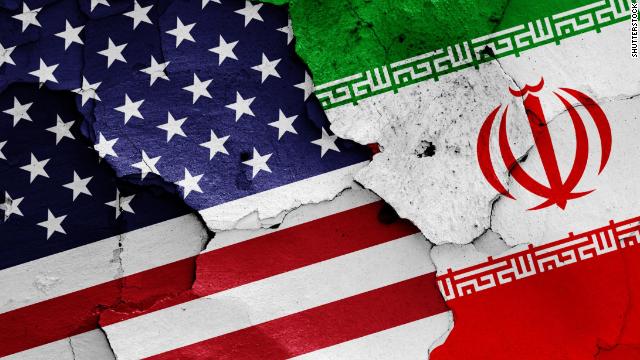
Prediction markets are assigning an exceptionally high probability—99.3%—to the proposition that active US military personnel will physically enter Iran's terrestrial territory by December 31. With $17.9 million in trading volume, the market reflects substantial liquidity and trader conviction. The probability has remained stable over the past 24 hours, suggesting the market has already priced in available information rather than reacting to breaking developments. Such extreme odds typically emerge from either historical precedent, escalating geopolitical tensions, or perceived structural likelihood of a triggering event within the defined timeframe.
Why It Matters
Direct military entry into Iran would represent a dramatic escalation in US-Iran hostilities and would constitute a major regional conflict with global implications. The market's assessment carries significance for policymakers, investors, and geopolitical risk analysts monitoring Middle East instability. A military incursion could trigger broader regional responses, affect energy markets, and reshape international alliances. Understanding why traders are pricing this scenario so high provides insight into how markets interpret conflict risk and the thresholds at which deterrence is perceived to fail.
Key Factors Driving the Probability
The 99.3% pricing likely reflects several structural considerations. First, the resolution criteria explicitly exclude intelligence operatives, diplomatic visits, and contractors, making the bar relatively specific: active military personnel must cross into Iranian territory. This narrow definition may reduce perceived ambiguity. Second, existing US military presence throughout the region—in Iraq, the Persian Gulf, and beyond—provides operational proximity. Third, ongoing tensions between the US and Iran, including drone incidents, nuclear negotiations, and proxy conflicts, create a baseline of elevated risk. Fourth, the extended timeframe (through December 31) compounds probability; even a low annualized risk compounds across 12 months. Finally, prediction market participants may be extrapolating from historical precedent or assessing that once certain conflict thresholds are crossed, military incursion becomes operationally likely.
Outlook
For the probability to shift materially lower, markets would likely require explicit de-escalation signals, renewed diplomatic engagement, or statements from US leadership substantially reducing conflict rhetoric. Conversely, any military incident involving US or allied assets could trigger repricing upward toward certainty. The current 99.3% level suggests traders view the scenario as having already absorbed downside protection—meaningful movement would more likely come from unexpected geopolitical stabilization rather than additional risk accumulation. Traders should monitor diplomatic channels, regional military posturing, and statements from senior US defense and State Department officials as potential indicators of shifting probability.