Market Overview
The natural disaster prediction market for 2026 is currently priced at 27% probability, with $215,647 in trading volume indicating sustained interest in the outcome. This probability has remained stable over the past 24 hours, suggesting the market has settled into an equilibrium that reflects current expectations about catastrophic event risk. The market aggregates four distinct natural disaster scenarios, each with dramatically different historical frequencies and geographic variability.
Why It Matters
Understanding how markets price tail risk events—those with low probability but severe consequences—offers insight into collective expectations about planetary safety. A 27% annual probability for at least one major catastrophe represents a meaningful risk in the eyes of traders, equivalent to roughly one-in-four odds. For context, this probability level suggests that market participants view 2026 as carrying substantially elevated risk compared to random chance alone, though the true frequency of such events varies significantly by type and location.
Key Factors
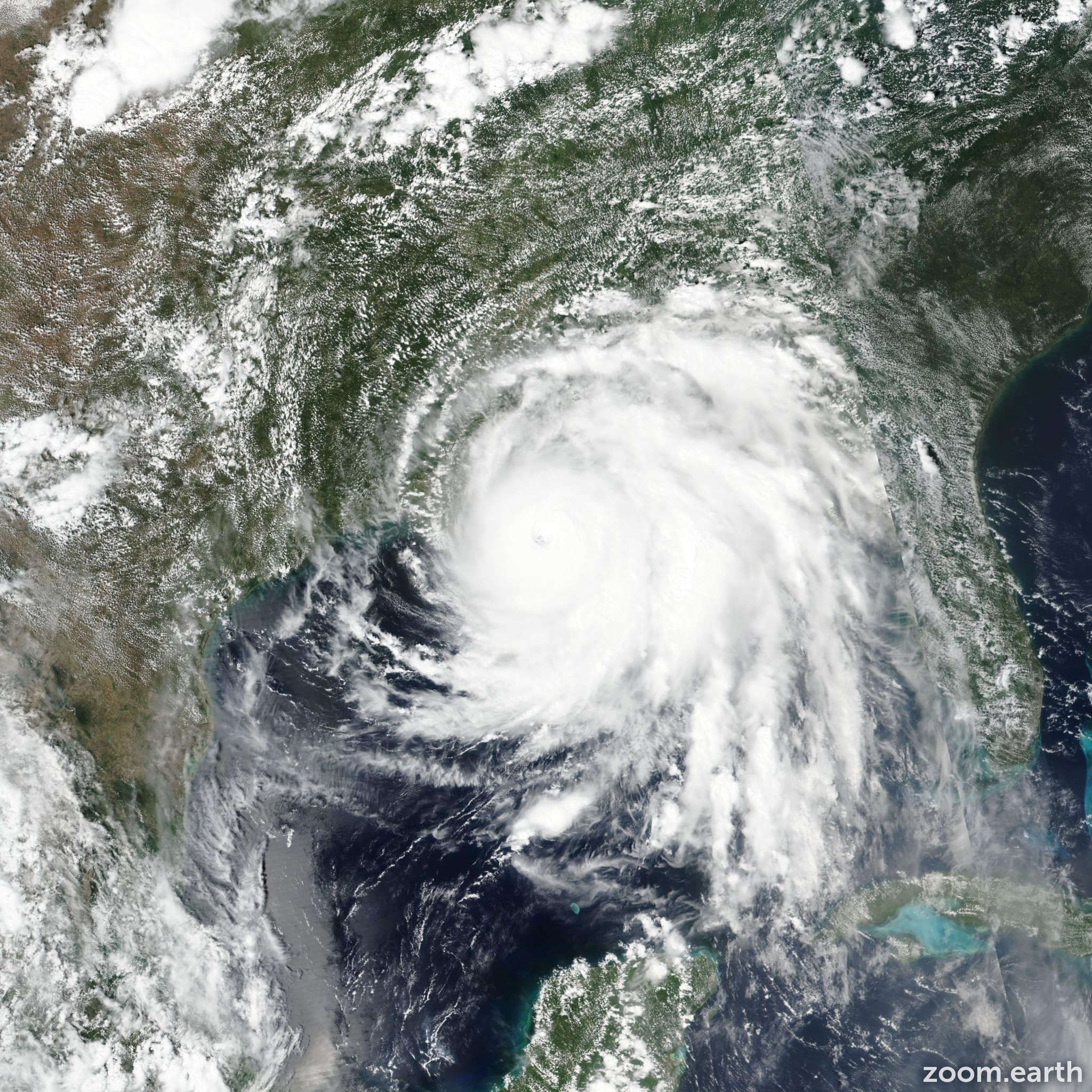
The four resolution criteria carry vastly different base rates. Category 5 hurricanes make US landfall roughly every 20-30 years on average, making this the most likely component of the resolution criteria. Major volcanic eruptions (VEI ≥6) occur approximately once per century globally. Magnitude 8.5+ earthquakes are rarer still, with only a handful recorded in the past century. Meteor impacts of 10 kilotons or larger are extremely rare on human timescales. The 27% probability likely reflects the cumulative risk across all four scenarios, with hurricane landfall probability dominating the calculation. Current climate patterns, ocean temperatures, seismic activity baselines, and volcanic monitoring data could all influence the actual outcome, though none of these factors show obvious signals suggesting 2026 will be exceptional. The market's current pricing suggests a baseline view of typical annual catastrophic risk rather than forward-looking alarm.
Outlook
The stability of this market's odds over recent periods indicates traders have reached consensus around this risk level. Significant shifts would likely require new information about planetary conditions—such as unusual seismic swarms, elevated volcanic activity markers, or abnormal ocean temperature patterns developing months ahead of hurricane season. The extended resolution timeline through February 2027 ensures markets can incorporate full year-end data before closing. As 2026 progresses and hurricane season approaches, traders will have the opportunity to refine probability estimates based on actual atmospheric and seasonal conditions.