Market Overview
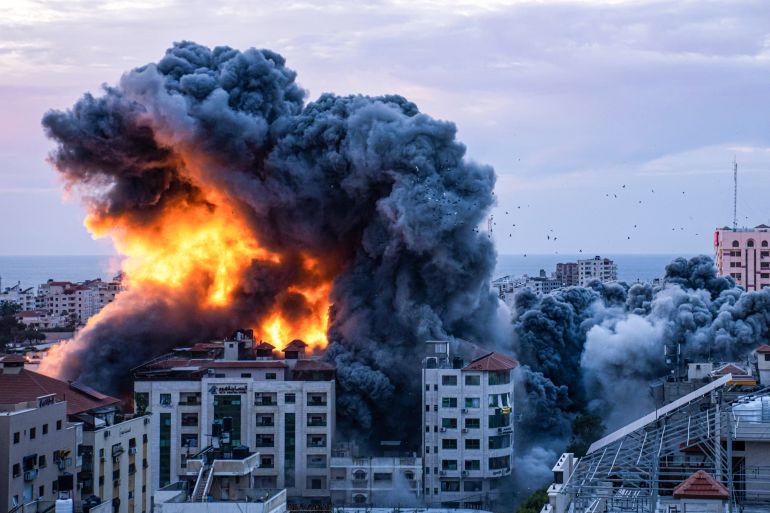
A prediction market assessing the likelihood of a U.S. or Israeli military strike against Iran's Isfahan Nuclear Technology Center has reached 100% probability, with over $1.3 million in trading volume. The market, which resolves based on kinetic military action—including drone strikes, missile attacks, aerial bombing, or ground operations—through March 31, 2026, shows no movement from this ceiling price over the past 24 hours, indicating sustained conviction among traders that such an strike will occur.
Why It Matters
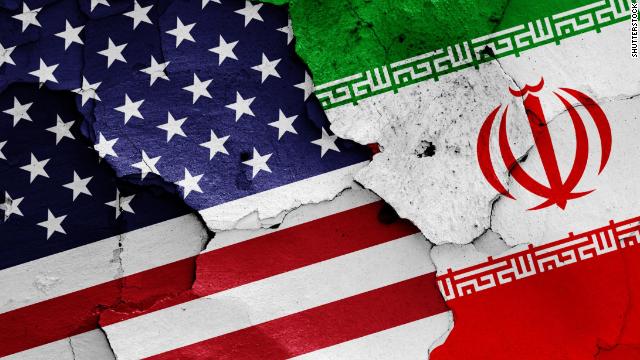
The Isfahan Nuclear Technology Center is a critical facility in Iran's nuclear fuel production program, making it a potential military target in any escalation of the U.S.-Iran or Israel-Iran conflict. A strike on this facility would represent a significant escalation with far-reaching consequences for regional stability, global oil markets, and the broader Middle East security architecture. The 100% probability assigned by traders reflects the market's assessment that some form of kinetic military action is not merely possible but virtually assured within the timeframe.
Key Factors
Several developments have likely driven traders to price this outcome with certainty. Recent Israeli military operations in the region, ongoing tensions following Iran's ballistic missile attacks on Israel, and diplomatic breakdown around nuclear negotiations have created an environment of heightened military preparedness. The specific focus on the Isfahan facility—a key node in Iran's nuclear infrastructure—suggests traders view this as a likely target if broader military conflict escalates. Additionally, the timeframe extending to March 2026 provides a 15-month window during which geopolitical circumstances could shift, yet traders maintain maximum conviction that action will occur.
Outlook
The 100% probability represents an extreme market position that warrants caution in interpretation. While prediction markets often aggregate dispersed information effectively, such ceiling prices can reflect either genuine near-certainty or the market structure itself, where small positions can push odds to extremes with limited trading volume. Developments that could shift this assessment include de-escalation through diplomatic channels, regional ceasefire agreements, or a significant shift in U.S. policy posture toward Iran. Conversely, further Iranian nuclear advancement or provocative military actions could reinforce current market pricing. Close monitoring of both geopolitical developments and market depth will be necessary to assess whether this extreme probability represents informed consensus or reflects market microstructure limitations.