Market Overview
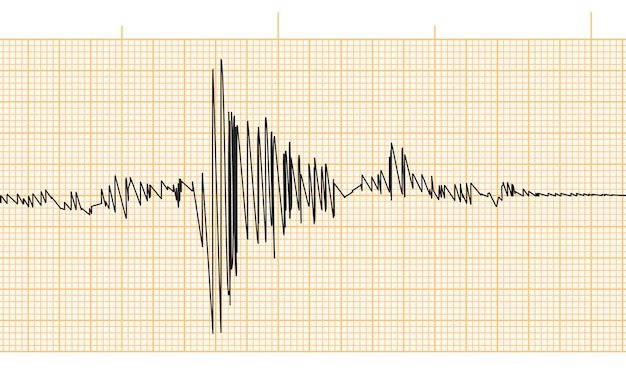
A prediction market tracking global seismic activity is assigning an 85.1% probability that the world will experience eight or more earthquakes of magnitude 7.0 or higher between December 4, 2025, and June 30, 2026. The market, which relies on the United States Geological Survey's Earthquake Hazards Program as its resolution source, has generated substantial trading volume of $548,431, indicating significant participant interest in quantifying earthquake risk over this seven-month period.
Why It Matters
Earthquakes of magnitude 7.0 and above represent major seismic events capable of causing widespread destruction and loss of life. Understanding the frequency and distribution of large earthquakes informs disaster preparedness, building code standards, insurance pricing, and resource allocation for emergency response systems. The market's high probability assignment reflects the scientific expectation that major earthquakes occur at a relatively consistent rate globally, independent of recent events or seasonal patterns.
Key Factors Driving the Probability
The 85% odds are grounded in long-term seismic data. Globally, magnitude 7.0+ earthquakes occur at a fairly predictable rate of approximately 15 per year based on USGS historical records. Over a seven-month period, this translates to roughly 8-9 expected events, placing the threshold of eight earthquakes near the median expectation rather than an outlier outcome. The high probability reflects this statistical baseline: achieving eight or more major earthquakes is the expected scenario, not an exceptional one. No recent dramatic shifts in tectonic activity or scientific forecasts appear to be moving traders toward significantly different expectations.
Outlook
Movement in this market would likely follow major revisions to seismic science understanding, a pronounced clustering or drought of magnitude 7.0+ events in the coming months, or updated USGS data that recalibrates historical frequency estimates. The market's stability at 85.1% probability over the measured period suggests broad consensus among traders that the long-term earthquake frequency model remains the best available guide. As the market approaches its June 30 resolution date, actual earthquake counts will become the dominant driver of any probability shifts.