Market Overview
A prediction market focused on potential tariff refunds is trading at an 81.5% probability that importers will receive compensation by mid-2026, reflecting substantial trader confidence in the case outcome. The market hinges on two sequential conditions: that the Trump administration loses its consolidated appeal of the May 28, 2025 Court of International Trade ruling in V.O.S. Selections, Inc. v. United States, and that actual refunds follow as a consequence. The high probability suggests traders view both conditions as likely, despite the appeal remaining unresolved and the refund process unconfirmed.
Why It Matters
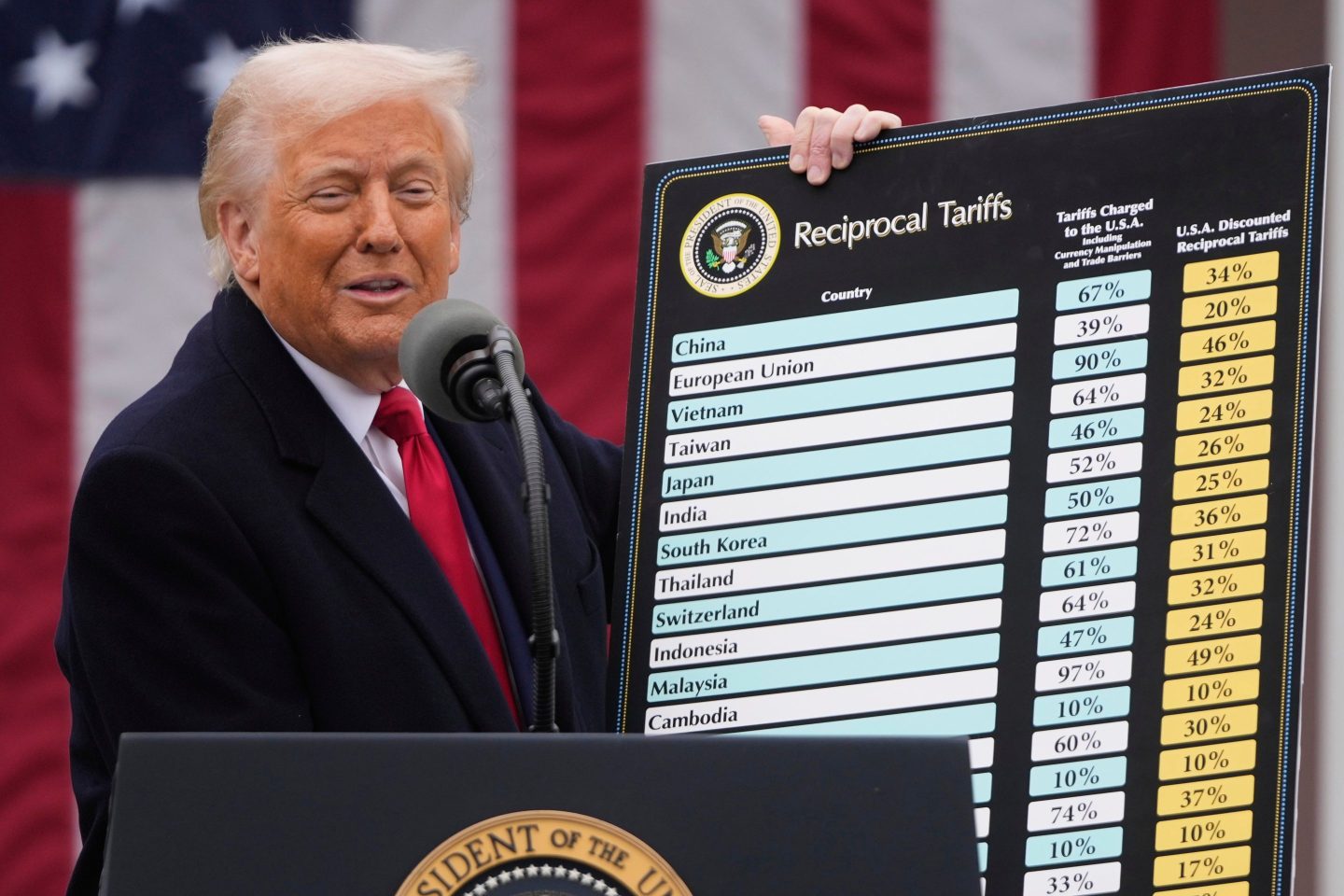
The underlying May 28 ruling represents a significant legal check on executive power over tariffs. The court determined that Trump exceeded his statutory authority under the International Emergency Economic Powers Act by unilaterally imposing sweeping tariffs—including a 10% baseline on all imports and country-specific rates as high as 50%. If upheld on appeal, the decision would establish important precedent constraining emergency economic powers and potentially affect the administration's ability to implement similarly broad trade measures. For importers, a successful appeal reversal coupled with refunds could represent recovery of hundreds of millions or billions in collected duties, providing material financial relief to supply chains and downstream consumers.
Key Factors
Traders appear to be weighting several factors heavily in favor of the 81.5% probability. The Court of International Trade's explicit finding that the administration exceeded its statutory authority suggests a legal foundation that appellate courts may be reluctant to overturn—administrative law generally requires agencies to operate within their delegated powers. The consolidated appeal structure, while potentially allowing the administration to argue the tariffs' economic necessity and national security rationale, does not appear to have shifted market expectations substantially. Additionally, the resolution criteria specify that actual refunds, not merely court orders or administrative announcements, must be issued—a practical requirement that assumes both appellate failure and subsequent government compliance. The market's stability over the past 24 hours suggests that recent developments have not introduced major new uncertainty.
The timeframe for resolution—June 30, 2026—provides roughly one year for appellate proceedings and refund processing, a window that is tight but feasible for administrative action following an unfavorable ruling. Traders may be discounting the possibility of extended appeals, legislative intervention to codify the tariffs, or administrative resistance to refunding duties even after a court loss.
Outlook
The 81.5% probability reflects a market consensus that the legal case against the Trump administration is strong and that enforcement through refunds is likely. However, material downside risks remain: the appeals court could defer to the executive's national security judgment, legislative action could retroactively authorize the tariffs, or the administration could dispute or delay refund obligations despite an adverse ruling. The market's high conviction suggests traders view legal precedent and administrative procedure as likely to prevail, but the outcome ultimately depends on appellate court reasoning—a variable that will only be resolved when V.O.S. Selections reaches final judgment.