Market Overview
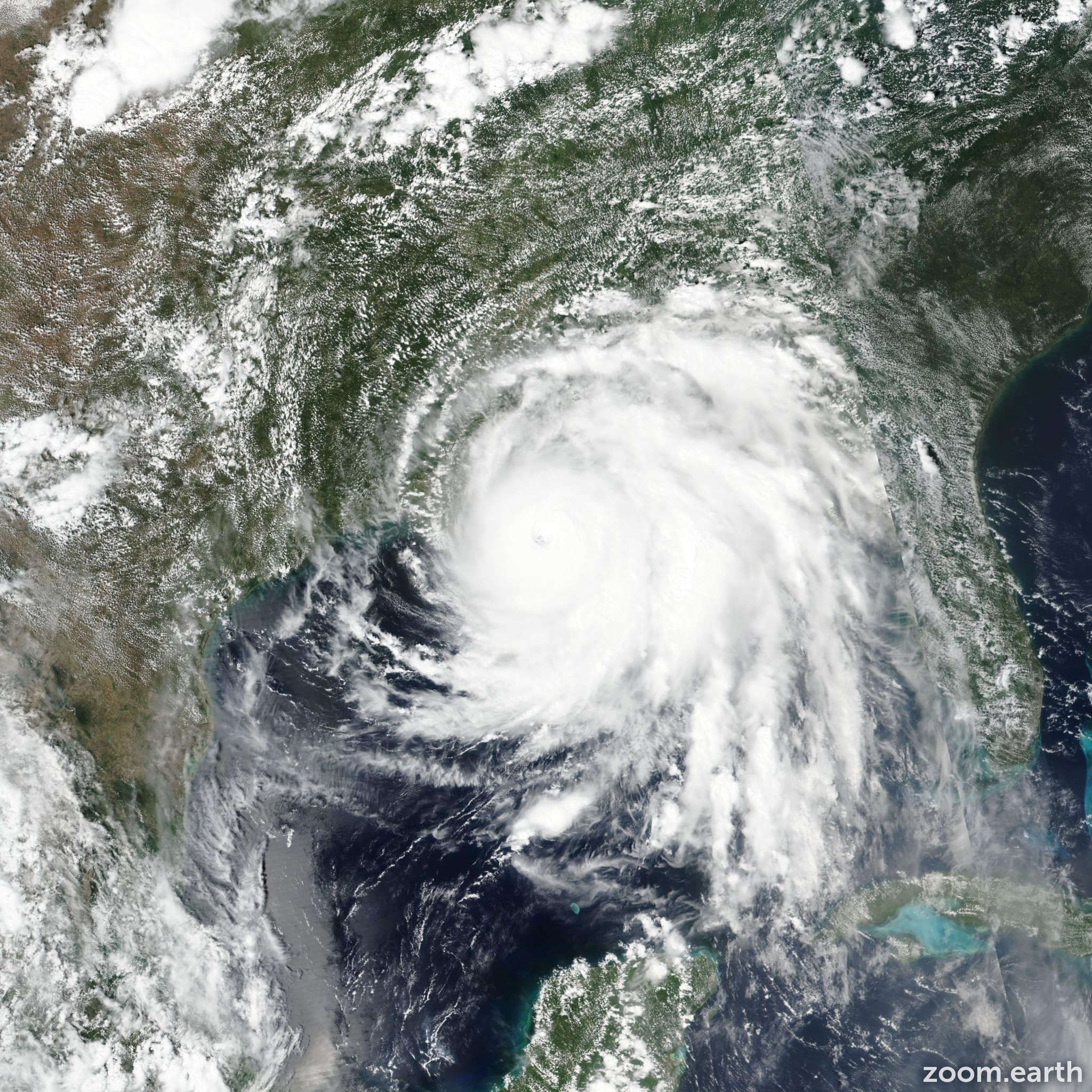
The natural disaster prediction market currently reflects a 27% probability of at least one catastrophic event occurring during 2026, with trading volume of approximately $215,600. This probability has remained stable over the past 24 hours, suggesting the market has reached an equilibrium reflecting current baseline expectations. The market aggregates trader views across four distinct catastrophic scenarios: a Category 5 hurricane making US landfall, a 10-kiloton or larger meteor impact, a volcanic eruption rated VEI 6 or higher on the Volcanic Explosivity Index, or an 8.5+ magnitude earthquake anywhere globally.
Why It Matters
This market serves as a barometer for how prediction market participants perceive natural disaster risk on a multi-year horizon. A 27% annual probability for \"any of these four categories\" is substantially higher than historical actuarial data would suggest for individual events, but the market's approach—resolving affirmatively if any single trigger occurs—compounds the odds meaningfully. Understanding where traders price such tail risks has implications for insurance markets, disaster preparedness planning, and broader risk management strategies. The stability of this probability over recent trading suggests consensus rather than sharp disagreement about the underlying hazard rates.
Key Factors
Traders appear to be pricing baseline climatological and geological hazard rates without significant adjustment for anticipated 2026-specific conditions. The probability allocated to Category 5 US hurricane landfalls likely draws on historical frequency data suggesting such storms make landfall roughly once per decade, making a roughly 10% annual probability reasonable. Meteor impacts of 10kt+ are far rarer—orders of magnitude less frequent—while supervolcanic eruptions (VEI 6+) occur on timescales of centuries to millennia, and 8.5+ earthquakes happen roughly every 2-3 years globally but are not uniformly distributed. The 27% aggregate probability reflects the multiplicative effect of combining multiple low-probability scenarios into a single resolution criterion. The market's stability suggests traders view these hazard rates as relatively constant and unpredictable on a year-to-year basis.
Outlook
As 2026 approaches, the probability could shift based on several developments. Enhanced seasonal hurricane forecasts released in late 2025 could provide empirical ground for repricing hurricane risk. Increased seismic activity in known subduction zones could raise trader perception of earthquake probability. However, because three of the four triggers involve inherently unpredictable phenomena on annual timescales, the market is likely to remain anchored to long-term hazard rates unless specific precursor signals emerge. The extended resolution timeline—allowing outcomes to be determined until February 2027 if necessary—accommodates the lag time sometimes required to confirm major impacts. Barring significant new information about 2026-specific geological or meteorological conditions, this probability could remain stable through the trading year.