Market Overview
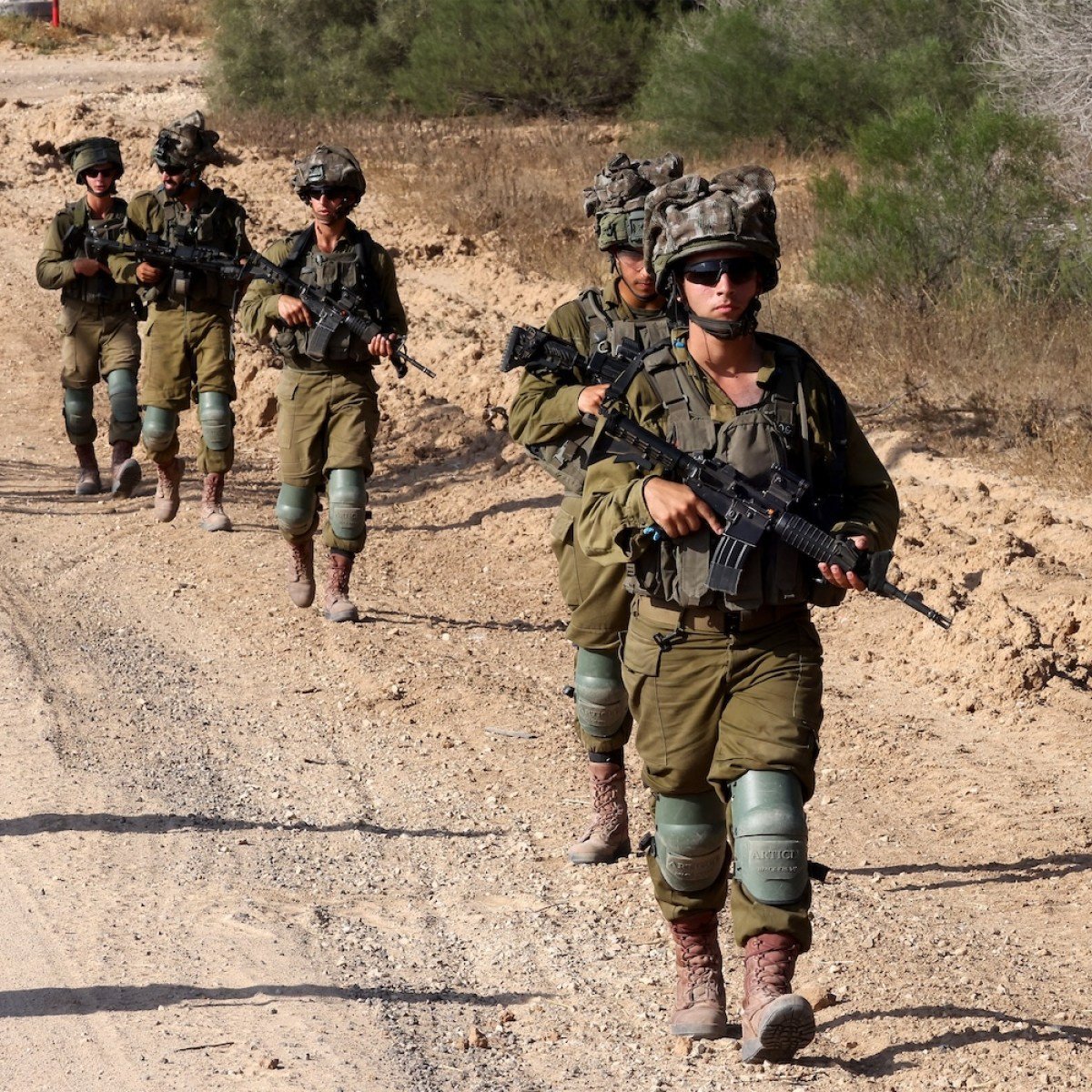
A prediction market tracking the likelihood of active US military personnel physically entering Iran's terrestrial territory by April 30 is now pricing in a 99.7% probability of such an occurrence. This represents a dramatic move from 82.5% just 24 hours prior, accompanied by exceptional trading volume of $52.8 million. The market's definition is precise: only deliberate operational entry by military personnel or special operations forces qualifies, excluding intelligence operatives, contractors, diplomatic entourages, and inadvertent incursions such as downed pilots.
Why It Matters
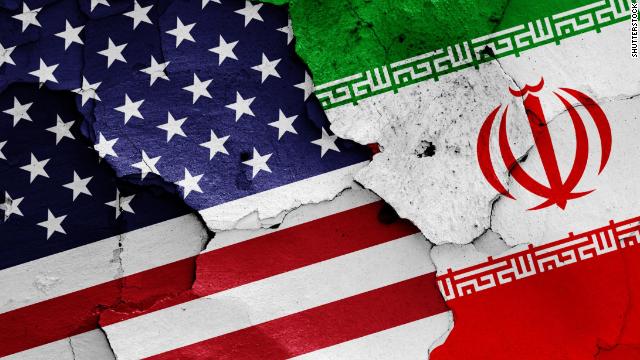
The near-certainty pricing in this market reflects a significant reassessment of near-term Iran-US military dynamics. Prediction markets aggregate dispersed information and real-money incentives, making extreme probability shifts notable indicators of changed expectations among informed traders. A 99.7% probability suggests that market participants believe military escalation and direct territorial incursion are now viewed as virtually inevitable within the specified timeframe, a shift that carries implications for regional stability, oil markets, and broader geopolitical risk assessment.
Key Factors Driving the Shift
The sharp probability increase likely stems from recent developments in US-Iran tensions, though the specific catalytic event is not detailed in the market data itself. Potential drivers could include escalating military posturing, threats or statements from either government, regional proxy activities, or broader diplomatic breakdowns. The market's sensitivity to such developments—jumping from 82.5% to 99.7% in a single day—suggests traders are responding to fresh information they perceive as fundamentally altering the baseline expectations for military engagement. Market participants are implicitly assessing both the likelihood of direct conflict initiation and the specific threshold of ground force deployment.
Outlook and Considerations
While the market currently assigns near-certainty to this outcome, traders should note that prediction markets can exhibit volatility when geopolitical developments are rapidly evolving and information asymmetry is high. The April 30 deadline provides a defined resolution window of several weeks, allowing for de-escalation, diplomatic intervention, or other developments that could alter probabilities. Historical precedent shows that extreme probability readings in geopolitical markets occasionally reverse sharply if circumstances change unexpectedly. The presence of $52 million in volume suggests liquidity exists for both long and short positions, though the 99.7% reading indicates current market consensus is heavily skewed toward resolution as \"Yes.\"