What Happened
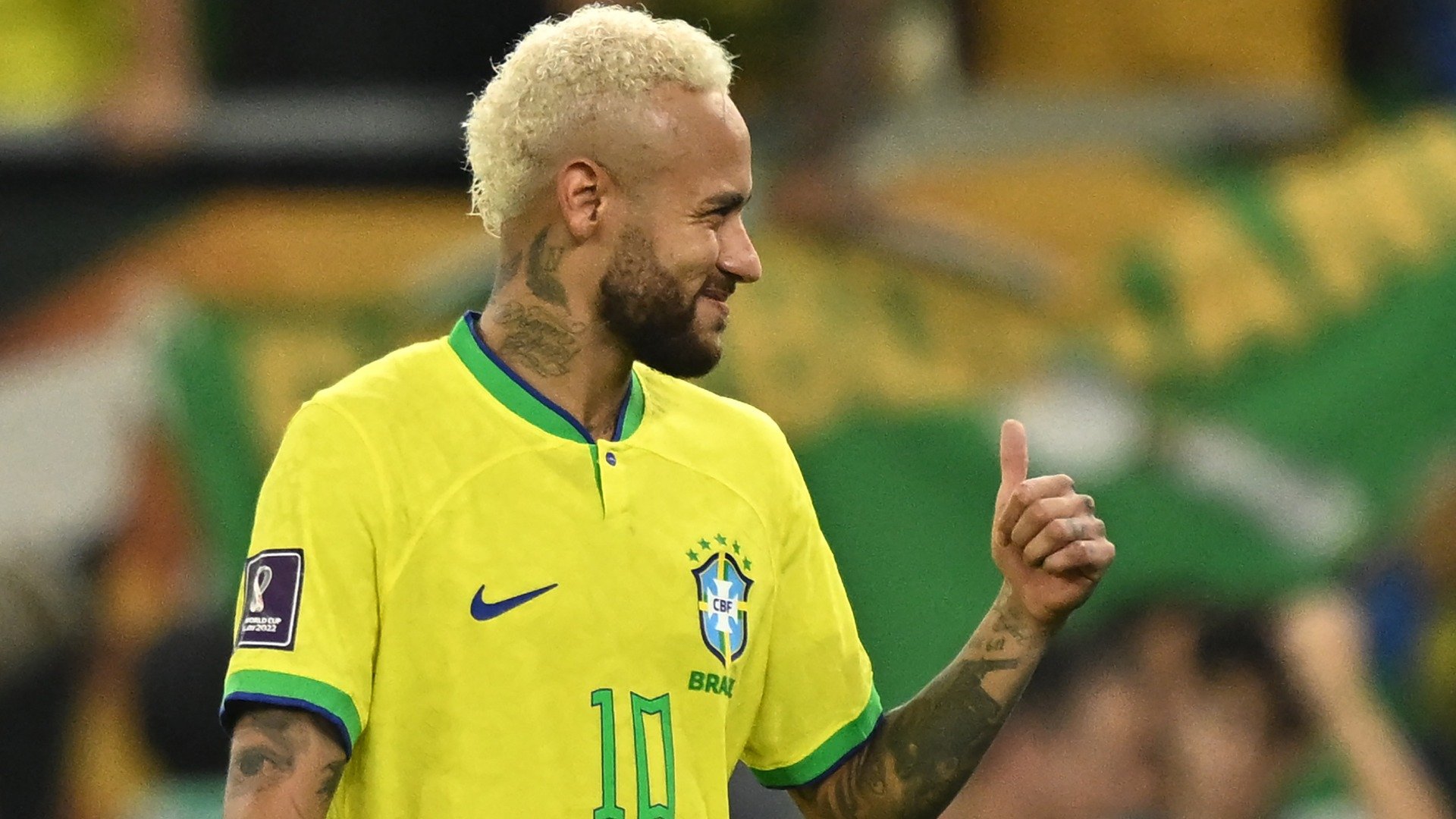
Prediction market prices for Neymar's participation in the 2026 FIFA World Cup shifted significantly higher, with odds improving from 43.5% to 59.5%—a 16-percentage-point swing—amid substantial trading volume of approximately $411,000. The move represents a meaningful repricing of the probability that Brazil's marquee attacking talent will take the field in at least one official match during the tournament in Mexico, the United States, and Canada.
Why It Matters
Neymar remains one of football's most recognizable global figures and a central player in Brazil's World Cup strategy. At 34 years old during the 2026 tournament, questions surrounding his fitness, contract status, and international availability have carried outsized importance for both Brazil's tactical planning and broader soccer discourse. The sharp repricing suggests new information has altered market participants' assessments of whether the veteran forward will be fit and available for selection.
Market Context
The $411,000 in trading volume indicates substantial interest in the outcome, typical for prediction markets covering marquee sporting events and celebrity-level athletes. The initial 43.5% implied probability reflected significant uncertainty about Neymar's status—injury history, age-related considerations, and the length of the recovery window before 2026 had created genuine doubt. The movement to 59.5% suggests either positive injury updates, clearer contract commitments, or public statements from Neymar or Brazilian football officials that reduced that uncertainty.
Outlook
Markets will likely continue monitoring Neymar's fitness, club-level performance, and statements from the Brazilian Football Confederation in the coming months. Any setbacks or injuries could reverse the current pricing, while sustained fitness and regular playing time may push odds even higher. The 59.5% probability still reflects material doubt, suggesting the market views his participation as probable but far from certain given the two-year timeframe and standard injury risks for players in their mid-thirties.