Market Overview
A prediction market focused on the occurrence of major natural disasters in 2026 is currently trading at 27% probability, with $215,647 in total volume. The market has remained stable over the past 24 hours, indicating that traders have largely settled on this probability assessment. The question casts a wide net across four specific catastrophic events—each with distinct frequency profiles and detection mechanisms—creating a composite measure of extreme natural disaster risk during a single calendar year.
Why It Matters
The distinction between a 27% chance and a 73% chance may seem like a mild proposition when discussing rare natural events, but for insurance markets, infrastructure planning, and disaster preparedness discussions, the probability carries significance. At roughly one-in-four odds, the market is asserting that major natural disasters of this magnitude are neither negligible nor probable within a given year. This pricing reflects genuine uncertainty rather than either complacency or alarmism about geological and meteorological extremes.
Key Factors
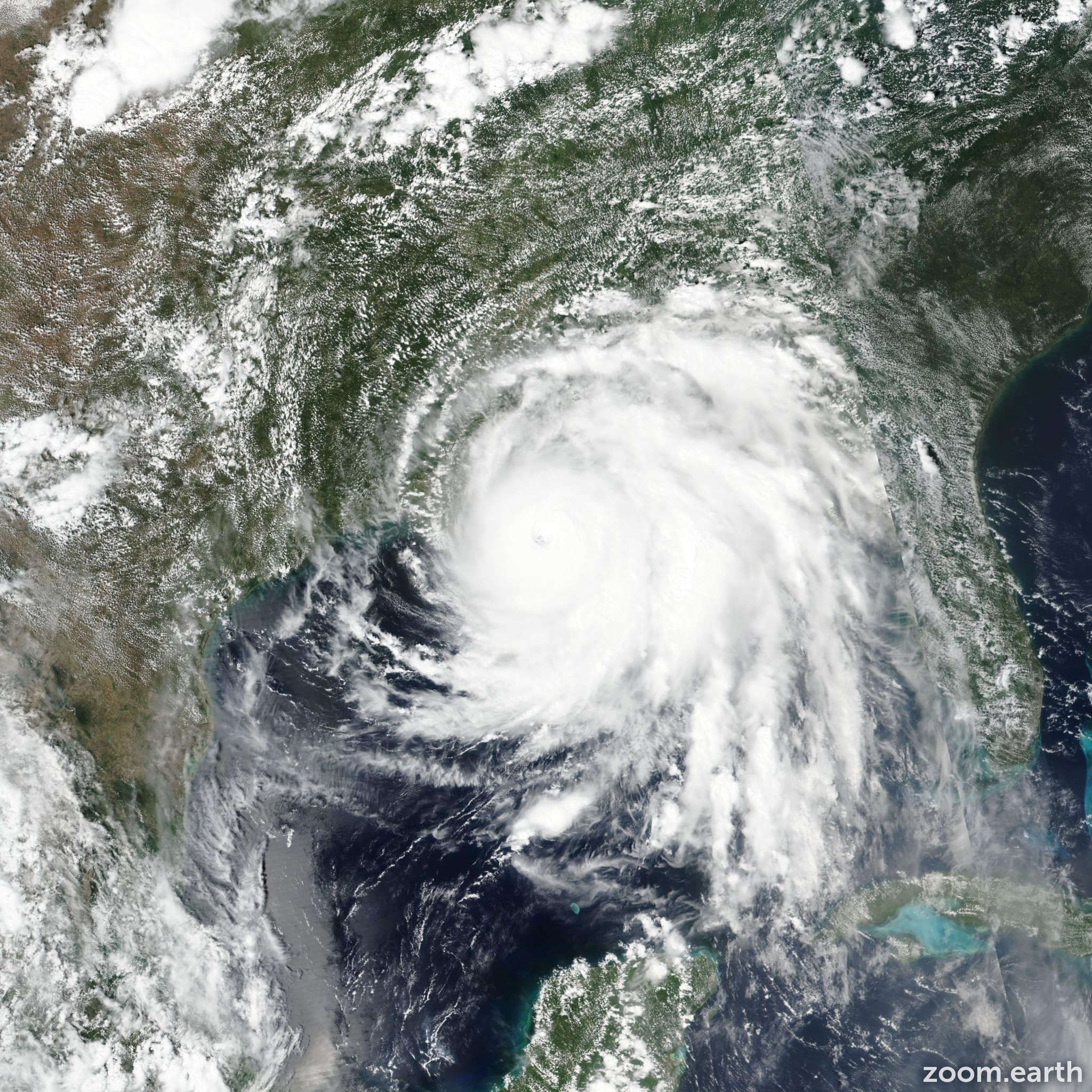
Historical frequency data provides the foundation for this assessment. Category 5 hurricanes make US landfall roughly once every 20-30 years on average, though landfalls themselves are much more frequent. Earthquakes of 8.5+ magnitude occur globally approximately once per decade, while major volcanic eruptions (VEI ≥6) happen roughly twice per century. Meteor strikes of 10 kilotons or larger are far rarer, with estimates suggesting impacts of that magnitude occur on centennial timescales or longer. When combined, these probabilities reflect a market view that while each event individually is unlikely in any given year, the aggregate probability across all four categories creates meaningful odds of at least one occurrence. The 27% figure suggests traders are weighting these components relatively conservatively, neither assuming independence that would multiply probabilities nor dismissing tail risks entirely.
Outlook
Market movement will likely depend on developments in late 2025 and early 2026 itself. An active Atlantic hurricane season in 2025 or early formation of significant storms heading into 2026 could shift sentiment, as could increased seismic activity in major fault zones. The stability of current odds reflects a lack of recent catalyst or emerging information that would materially alter baseline expectations. As 2026 progresses through its hurricane season and the year unfolds, traders will have increasingly concrete data to assess risk, potentially moving the market toward either resolution.