Market Overview
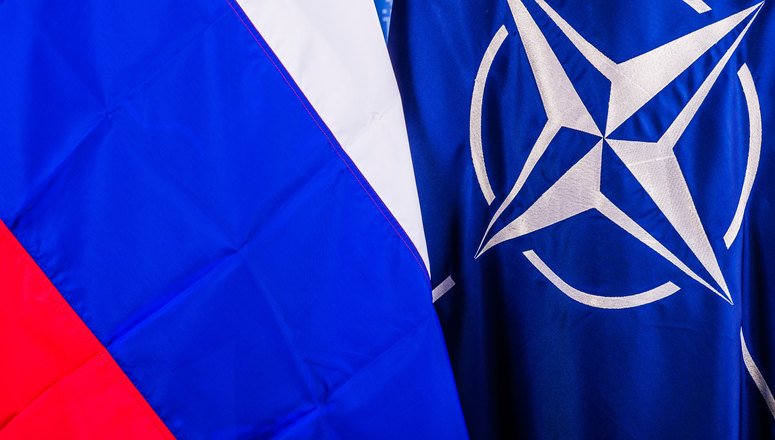
Prediction market participants are currently assessing the probability of a direct military clash between NATO and Russia by the end of 2026 at 23.5%, with modest stability around this level over recent trading sessions. The market has generated substantial volume of $1.09 million, indicating genuine engagement from traders weighing geopolitical risk. The probability places the scenario in the \"meaningful but not highly probable\" range—roughly equivalent to a single roll of a 4-sided die—suggesting traders view armed conflict as a genuine possibility without treating it as an imminent or baseline expectation.
Why It Matters
A direct military encounter between NATO and Russian armed forces would represent a fundamental escalation in the Ukraine conflict and broader post-Cold War security order. Unlike proxy engagements or third-party conflicts, such a clash could trigger NATO's collective defense provisions and potentially expand the scope of warfare far beyond current boundaries. The specific market definition—requiring actual use of force rather than airspace violations or warning shots—reflects a meaningful threshold: numerous close calls and provocative incidents have occurred in recent years (including drone interactions and aerial interceptions) without crossing into direct firefight or missile exchange. The 23.5% probability thus represents traders' assessment that while escalation paths exist, de-escalation mechanisms and strategic restraint currently outweigh conflict drivers.
Key Factors
Several dynamics inform the market probability. The Ukraine war's trajectory remains central: continued grinding conflict without major territorial shifts, combined with NATO military support to Kyiv, creates friction points where miscalculation could trigger unintended NATO-Russia contact. Geographic proximity of NATO members to Russian forces—particularly in the Baltics and Poland—and the intensity of air and naval operations near contested zones increase accident risks. Conversely, both NATO and Russia have demonstrated willingness to avoid direct confrontation despite provocations, suggesting institutional restraint persists. The market's relatively stable probability around 23-25% implies traders view these factors as roughly balanced: serious escalation risks are priced in, but outright warfare remains a contingency rather than a baseline expectation through 2026. The definition's strictness—excluding warning shots, cyberattacks, and drone interceptions without munitions—narrows what qualifies, raising the threshold for resolution.
Outlook
Movement in this market will likely track major developments in Ukraine's military situation, NATO force posturing, and diplomatic progress or breakdown. A significant Russian territorial breakthrough might reduce escalation perceived probability by suggesting military stalemate without NATO intervention. Conversely, NATO force deployments to forward areas or public commitment to direct support for Ukraine could raise probabilities. The two-year timeframe allows substantial room for both deliberate policy shifts and accident-driven escalation. Traders should monitor statements from NATO leadership regarding red lines, Russian military rhetoric regarding NATO involvement, and any incidents involving NATO and Russian forces that approach but do not yet cross the market's use-of-force threshold.