Market Overview
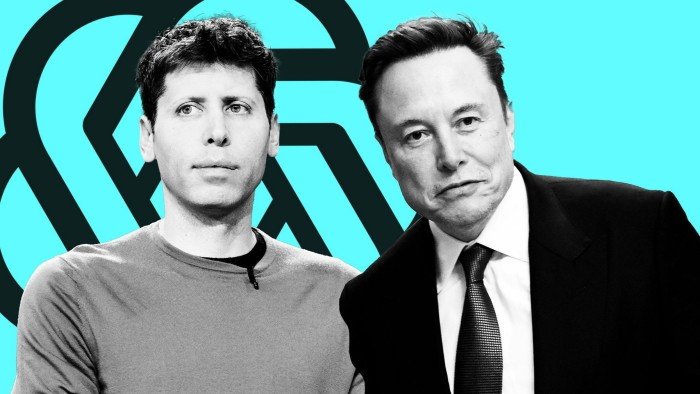
The prediction market on Elon Musk's lawsuit against Sam Altman is trading at a 37% implied probability of success for Musk, with stable pricing over the past 24 hours despite $196,442 in trading volume. The market will resolve based on trial-level outcomes through December 31, 2026, incorporating monetary awards, relative success on causes of action, or settlement terms. The resolution criteria are detailed and multi-layered, requiring assessments not only of win-or-lose outcomes but also of relative relief obtained and the prominence of claims decided in Musk's favor.
Why It Matters
The Musk-Altman dispute carries implications for the governance of artificial intelligence companies and the legal enforceability of founding agreements and fiduciary duties within venture-backed tech enterprises. OpenAI's transformation from nonprofit to capped-profit structure, and questions surrounding Altman's role in that transition, form the core of the dispute. The relatively modest 37% probability assigned to Musk suggests the market views his legal position as challenging, despite his significant resources and litigation experience. An outcome favoring Musk could establish precedent regarding founder accountability and intellectual property claims in AI ventures, while a loss would reinforce stronger protections for company leadership in governance transitions.
Key Factors
Several dynamics appear to be constraining the probability assigned to Musk's victory. First, the burden of proof and complexity of demonstrating damages in contractual or fiduciary duty disputes typically favor the defending party absent clear documentary evidence. Second, OpenAI's internal governance documents and the circumstances of Altman's reinstatement following his 2023 ouster may complicate Musk's claims, as boards have broad discretion in organizational decisions. Third, the resolution criteria require net monetary advantage or plurality success on primary causes of action—a high bar that accounts for potential partial victories counting against Musk. Finally, settlement risk is non-trivial; if Altman et al secure a favorable settlement or mutual release, the market resolves to \"No,\" creating additional downside scenarios.
The market's 37% level also reflects uncertainty regarding which claims will survive motions to dismiss, summary judgment outcomes on liability, and damages quantification—all of which remain in the early or discovery phases of litigation.
Outlook
Price movement is likely to accelerate upon significant procedural developments: denial of a motion to dismiss on core claims, adverse rulings on summary judgment, or evidence of settlement negotiations could shift probabilities materially. Conversely, survival of claims through early phases or favorable discovery rulings could strengthen Musk's position. The December 31, 2026 deadline provides approximately 24 months for trial resolution, a reasonable but not generous timeframe given typical federal litigation pacing. Observers should monitor court docket activity, particularly rulings on pleading sufficiency and scope of allowable damages, as signals of the court's receptiveness to Musk's claims. Any public settlement discussions or negotiations could also trigger sharp repricing, as terms disclosed or inferred would directly map to the resolution criteria.