Market Overview
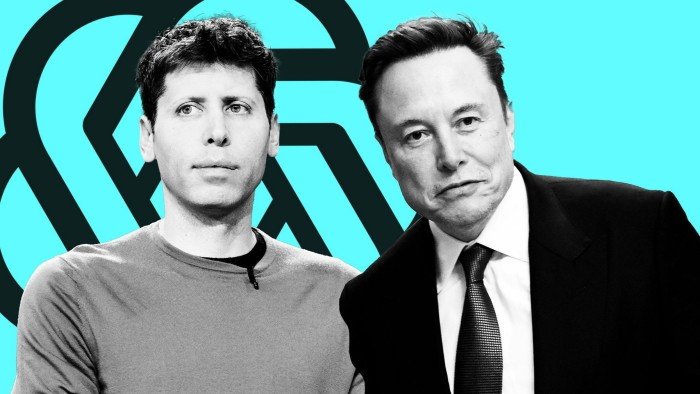
The Elon Musk v. Sam Altman prediction market currently reflects a 37% probability that Musk will win his case in the U.S. District Court for the Northern District of California by December 31, 2026. This implies a 63% market consensus that Musk will not prevail—either through an unfavorable judgment, settlement with payments to Altman's side, or case dismissal without substantive relief favoring Musk. The probability has remained unchanged at 37% over the past 24 hours, suggesting market participants view the litigation landscape as settled pending new information about the underlying claims or procedural developments.
Why It Matters
This case carries significant implications for both the business and technology sectors, given the prominence of both Musk and Altman as influential figures in artificial intelligence and entrepreneurship. The outcome could affect perceptions of OpenAI's governance, contractual obligations to early stakeholders, and corporate accountability in high-growth tech ventures. For prediction market participants, the case represents a complex legal matter with uncertain liability, multiple potential resolution pathways, and a multi-year timeline that introduces substantial uncertainty. The resolution criteria are notably detailed, encompassing monetary awards, claim prevalence, settlement terms, and various procedural outcomes—reflecting the case's procedural complexity.
Key Factors
The 37% probability suggests market participants assess Musk's litigation position as a meaningful but minority-favored scenario. Several structural factors likely influence this assessment. First, the burden of proof and substantive claims matter considerably; absent public disclosure of Musk's detailed pleadings and evidence, markets typically discount the plaintiff's chances when facing an established defendant with substantial resources. Second, the resolution criteria prioritize monetary awards and claim success over procedural victories, meaning Musk must achieve concrete financial or substantive relief—a higher bar than procedural wins. Third, settlement risk is priced in; a settlement with mutual releases or sealed terms would resolve the market to \"No,\" eliminating a potential avenue for Musk victory. The Northern District of California has experience with high-stakes business litigation, and typical patterns suggest early-stage civil disputes face dismissal or settlement rather than full trial resolution.
Outlook
The market's stability at 37% indicates no recent catalyst has shifted participant expectations materially. Movement in this market would likely follow key developments: significant pleading amendments, summary judgment motions with substantive rulings, settlement announcements with disclosed payment terms, or appellate decisions affecting case viability. The December 31, 2026 deadline provides approximately two years for resolution, a realistic but not lengthy timeframe for complex litigation in federal court. Market participants appear to view the case as moderately uphill for Musk, consistent with typical plaintiff success rates in civil disputes against well-resourced defendants. Should discovery reveal stronger evidence for Musk's claims or should procedural developments favor his position, the probability would likely increase; conversely, adverse rulings or settlement discussions could reduce it further.