Market Overview
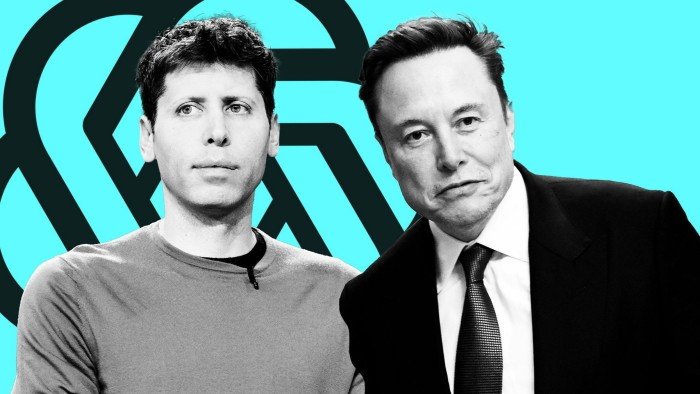
A prediction market tracking the high-profile litigation between Elon Musk and OpenAI co-founder Sam Altman currently prices the likelihood of Musk securing a courtroom victory at 37%, with the resolution deadline set for December 31, 2026. The market has remained stable at this level over the past 24 hours, with $196,442 in trading volume indicating consistent interest but no recent catalyst for significant repricing. The case is being litigated in U.S. District Court for the Northern District of California.
Why It Matters
The Musk-Altman dispute touches on foundational questions about contractual obligations, fiduciary duties, and the strategic direction of artificial intelligence development. Musk's allegations center on claims that Altman and others breached agreements and diverted value from OpenAI, with Musk seeking monetary damages and potential injunctive relief. The outcome carries implications for corporate governance practices in high-stakes technology ventures and serves as a closely watched test of how courts adjudicate disputes among prominent tech figures. The case's resolution methodology—defined by net monetary awards, number of claims won, and settlement terms—creates multiple pathways to success or failure, adding analytical complexity for market participants.
Key Factors Shaping Probability
The 37% probability reflects several structural uncertainties. First, Musk faces the burden of proving breach and damages in a fact-intensive commercial dispute where OpenAI's internal governance and decision-making processes will likely be contested. Second, settlement remains a significant alternative to trial; many high-profile litigation matches resolve before verdict, which under the market's rules would result in \"No\" resolution unless Musk receives a disclosed net payment. Third, the technical resolution criteria are demanding—Musk must achieve a net monetary advantage or prevail on the largest-dollar claims to register a market victory. Early dismissals, summary judgments on liability without damages, or mistrials without prejudice would also fail to meet the resolution threshold.
The roughly two-thirds-to-one-third odds split favoring Altman's side may reflect both the evidentiary bar Musk must clear and base-rate skepticism about plaintiffs in complex commercial litigation. Prediction market participants appear to view Musk's claims as viable but not favored—consistent with a case that has survived early dismissal motions but faces headwinds in establishing damages at the quantum Musk has alleged.
Outlook
The case trajectory over the next two years will likely feature multiple potential turning points: summary judgment rulings on specific claims, settlement discussions, and pre-trial discovery disputes. Markets typically reprice sharply on credible news of settlement negotiations, court rulings narrowing the issues, or expert testimony suggesting liability or damages assessments. The December 2026 deadline provides roughly 24 months for trial completion, though continued delays are common in complex commercial litigation. Absent dramatic new information, the market may remain in this mid-thirties to low-forties range unless either party achieves a meaningful advantage through discovery or early judicial rulings.