Market Overview
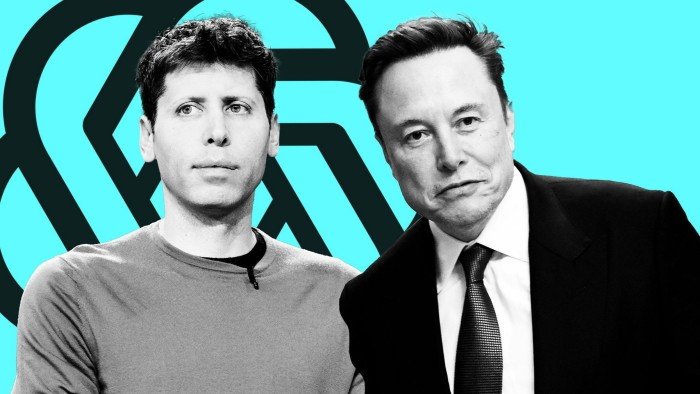
Prediction markets are pricing Elon Musk's litigation against Sam Altman and OpenAI leadership at 37% probability of success, a level that has remained stable over the past 24 hours despite $196,442 in trading volume. The relatively modest probability indicates that market participants view the case as significantly more likely to result in defeat for Musk or an outcome that does not qualify as a court \"siding\" with him under the resolution criteria. The case is being heard in the U.S. District Court for the Northern District of California, with a December 31, 2026 deadline for resolution.
Why It Matters
The lawsuit carries substantial financial implications and touches on fundamental questions about OpenAI's governance and its transformation from nonprofit to for-profit entity. Musk's claims reportedly center on allegations that Altman and OpenAI departed from the organization's original non-profit mission and misappropriated technology developed with Musk's early involvement and funding. For Musk, a favorable judgment could result in significant monetary damages; for OpenAI, a loss could reshape the organization's legal and operational standing. The outcome may also influence broader conversations about corporate governance in AI development and the enforceability of founding mission statements.
Key Factors Driving Market Assessment
Several factors likely contribute to the 37% probability. First, the complexity of the resolution criteria—which require a monetary award advantage for Musk, or if monetary outcomes are neutral, a favorable determination on claims seeking the largest dollar relief—creates multiple paths to defeat. Market participants may assess that even partial OpenAI victories on large-dollar claims could result in a \"No\" resolution. Second, the burden of proof in civil litigation and the burden of establishing damages are substantial. Third, OpenAI likely has significant legal resources and the ability to mount a robust defense against breach of contract or misappropriation claims. Additionally, establishing what Musk is owed based on his early involvement—particularly given his departure from OpenAI's board in 2018—presents factual and legal hurdles that markets may view as disfavoring the plaintiff.
The prospect of settlement also influences odds. The resolution criteria specify that mutual releases or sealed agreements with unclear payment direction would resolve the market to \"No,\" meaning settlements represent a way for the case to conclude without the market resolving in Musk's favor. Markets may assign meaningful probability to a settlement outcome, which would mechanically reduce the likelihood of a court-sided victory.
Outlook
The stability of the 37% probability over the past day suggests that market participants have incorporated available information and are awaiting substantive case developments—such as discovery disputes, motions for summary judgment, or trial scheduling—to shift pricing. The lengthy timeline to the December 31, 2026 deadline allows for considerable evolution in the case. Key developments that could increase Musk's odds include favorable rulings on discovery or summary judgment motions, public disclosure of damaging communications from OpenAI defendants, or clarification of damages theories that favor larger awards to Musk. Conversely, successful motions to dismiss on jurisdictional or substantive grounds, unfavorable discovery rulings, or settlement announcements with mutual releases would likely reinforce the current bearish assessment. As the case progresses through discovery and toward trial, market prices may shift substantially if evidence or legal determinations emerge that materially alter the perceived strength of either party's position.