Market Overview
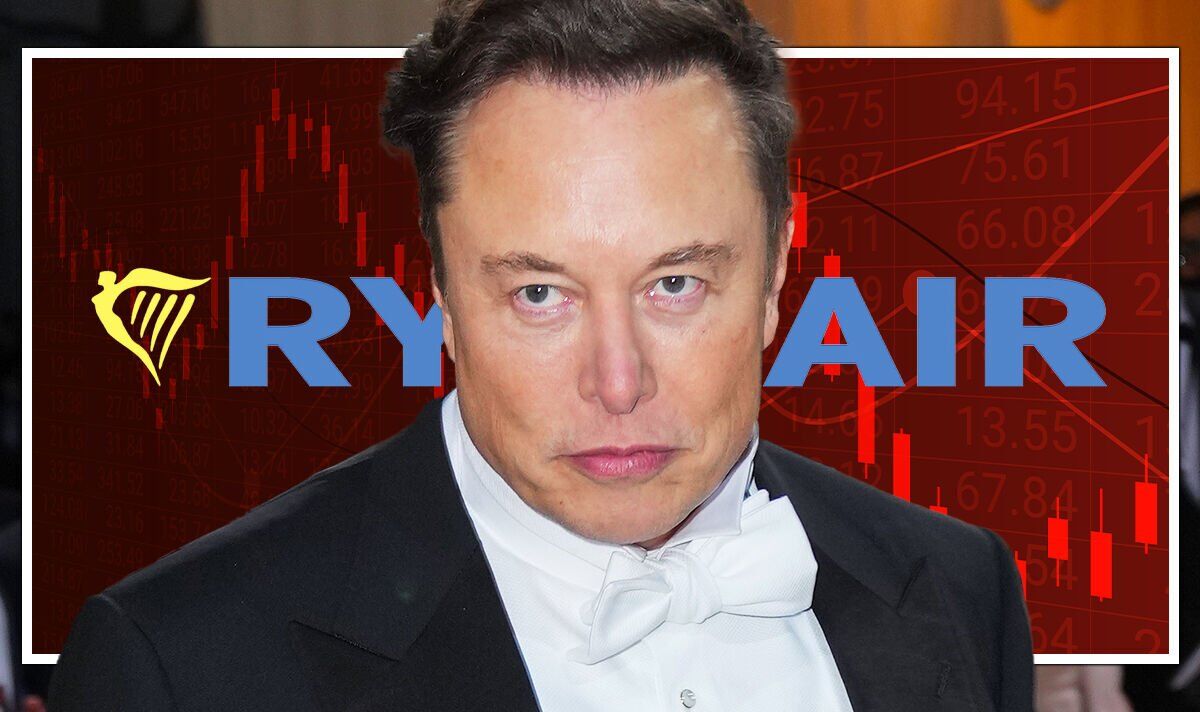
A prediction market on whether Elon Musk will acquire low-cost carrier Ryanair is trading at 1.2% implied probability, with no meaningful price movement over the past 24 hours despite $3.3 million in trading volume. The market was created following Musk's January 16 social media post suggesting that purchasing Ryanair could be a worthwhile endeavor. The contract resolves positively if credible reporting confirms Musk or a majority-owned entity enters into an acquisition agreement by June 30, 2026—with even an announced deal, regardless of completion, triggering a \"Yes\" resolution.
Why It Matters
The minimal odds reflect trader skepticism about the feasibility of such a deal, despite Musk's well-documented pattern of making unconventional acquisitions and bold strategic moves. Musk's previous major acquisition—Twitter for $44 billion in 2022—demonstrated his willingness to pursue targets others considered undervalued or problematic. However, Ryanair presents different challenges: it is a publicly traded company with a substantial market capitalization, operates in a highly regulated European aviation sector, and has established leadership structures resistant to sudden ownership changes. The high trading volume suggests genuine market interest, but the flat price movement indicates a broad consensus among traders that the probability remains extremely low.
Key Factors
Several structural obstacles weigh against materialization. First, the airline industry faces stringent regulatory approval requirements across Europe and internationally, with potential complications from EU ownership rules and competition authorities. Second, Ryanair's current CEO Michael O'Leary has built the airline over decades and maintains significant operational control; a hostile or unsolicited approach would likely face substantial friction. Third, Musk's current obligations as Tesla CEO and his involvement in other ventures—including xAI, SpaceX, and The Boring Company—suggest limited bandwidth for a complex aviation acquisition. Fourth, Musk's January comment, while explicit, could reflect casual observation rather than serious intent, consistent with his history of speculative social media statements that do not materialize into business action.
Outlook
For odds to shift materially upward, traders would likely need to observe tangible signals such as: Musk establishing acquisition-related infrastructure, public statements from Ryanair's board acknowledging discussions, financial filings indicating exploratory work, or reported regulatory pre-engagement. Absent such developments, the market appears to have settled at a floor reflecting the inherent improbability of the transaction. The contract's 18-month timeframe provides adequate runway for developments, but the current 1.2% level suggests the market assigns this scenario to the realm of low-probability speculation rather than genuine expectation.