Market Overview
The prediction market for a human moon landing in 2026 is trading at 4.3% odds, indicating strong market consensus that such a feat is unlikely within the specified timeframe. With over $1.9 million in trading volume, the market has attracted substantial interest despite—or perhaps because of—the low probability. The stable pricing over the past 24 hours suggests this assessment has solidified among traders, with few recent developments shifting sentiment.
Why It Matters
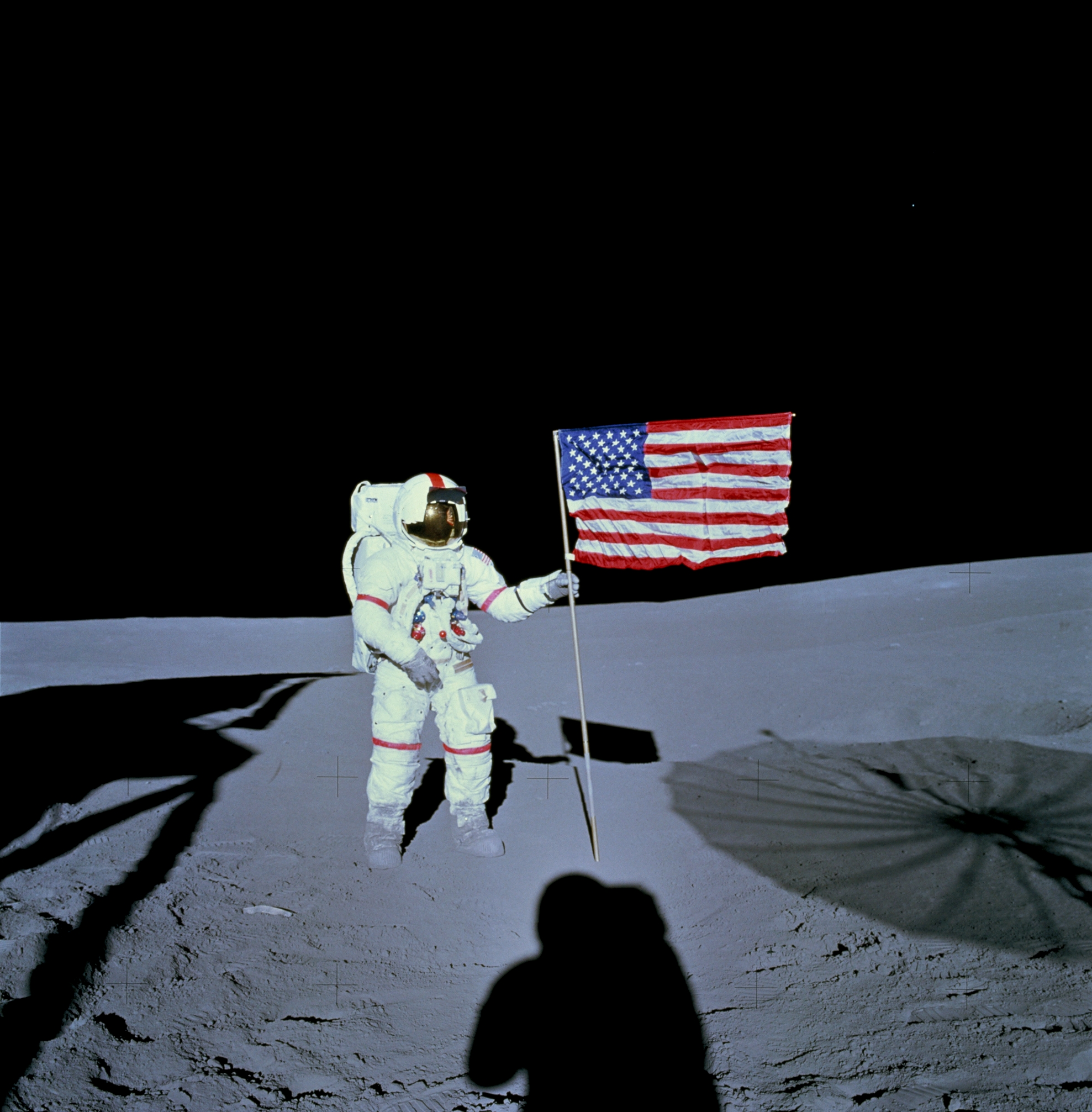
A crewed lunar landing represents one of humanity's most technically demanding achievements. The stakes surrounding this market extend beyond speculation; they reflect realistic assessments of current space program capabilities and timelines. NASA's Artemis program, the primary vehicle for U.S. lunar ambitions, has experienced delays and budget pressures that have pushed initial landing targets beyond 2026. The outcome will be determined by actual mission success, not political announcements or program statements, making this a test of engineering capability rather than intention.
Key Factors Driving Low Odds
Several technical and programmatic factors underpin the market's skepticism. NASA's Artemis II, the uncrewed test flight, had not launched at the time this market was established, with Artemis III—the first crewed lunar landing attempt—not scheduled until 2026 at the earliest. Multiple subsystems including the Space Launch System (SLS) rocket, Orion spacecraft, and lunar lander modules require extensive testing and validation before crewed missions proceed. International competitors including China and Russia have their own lunar programs, but none have announced credible 2026 timelines for crewed landings. The resolution criteria specify that a touchdown with humans aboard triggers a \"Yes\" outcome regardless of technical complications, but achieving even an imperfect landing within two years remains the core challenge.
Outlook
The market's probability of 4.3% reflects the mathematical reality of compressed aerospace schedules. For odds to shift meaningfully upward, major program milestones would need to occur ahead of current publicly stated timelines, particularly successful completion of Artemis II and clear progress on Artemis III hardware integration. Conversely, additional delays or technical issues with SLS, Orion, or lander development could push odds even lower, though the market appears to have largely priced in current uncertainties. Traders should monitor NASA announcements regarding launch readiness and any announcements from competing space programs, though such developments seem unlikely to dramatically shift the underlying reality that 2026 remains an aggressive target.