Market Overview
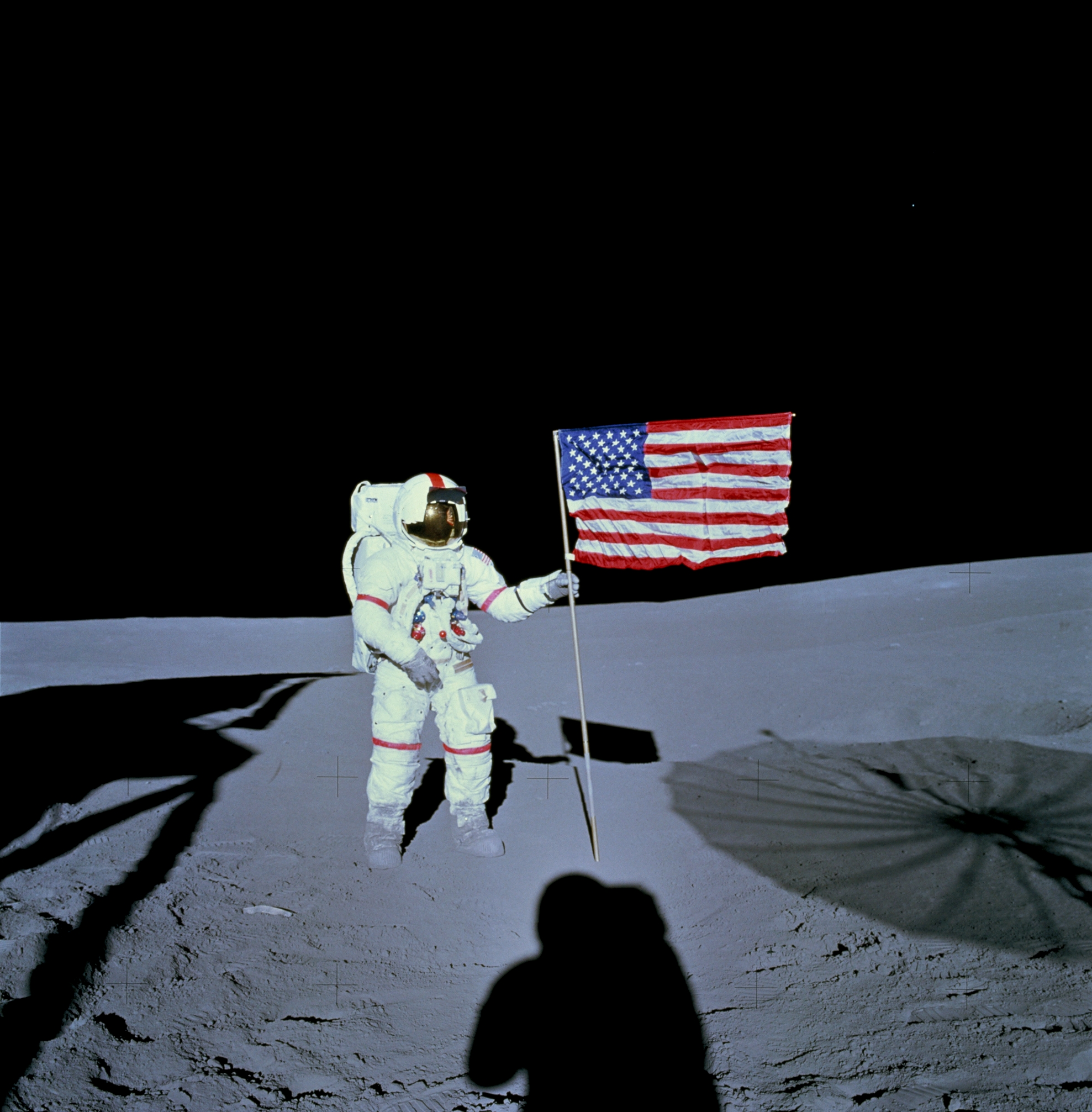
Prediction markets are assigning a 4.3% probability to at least one crewed moon landing occurring between now and the end of 2026—a modest consensus that has remained stable over the past day despite total trading volume exceeding $1.9 million. This low probability reflects deep market skepticism about the feasibility of NASA's stated Artemis II and III timelines, even as the agency has made incremental progress on the Space Launch System (SLS) and Orion spacecraft development. The tight odds suggest traders view a 2026 landing as a tail-risk scenario rather than a base-case outcome.
Why It Matters
A crewed return to the moon represents one of the most visible metrics of U.S. space capability and has significant geopolitical implications amid renewed competition with China's lunar program. The 2026 timeframe has become symbolically important: NASA originally targeted 2025, then shifted to 2026, and most recently acknowledged that 2026 remains optimistic. For investors, technologists, and space industry stakeholders, this market captures whether the most ambitious near-term human spaceflight goal will be achieved, with broader implications for government program credibility and the commercial space industry's trajectory.
Key Factors
Multiple technical and scheduling hurdles explain the market's skepticism. NASA's Artemis II uncrewed test flight—a critical prerequisite for Artemis III's crewed landing—has faced repeated delays and is not currently scheduled to launch until 2025 at the earliest, with many analysts expecting slip into 2026. Artemis III itself, dependent on Artemis II's success, faces compressed timelines, heat shield testing challenges, and reliance on the Human Landing System contractor (SpaceX's Starship) completing its own development milestones. Additionally, the resolution criteria requiring only a \"touchdown\" rather than a successful mission completion may slightly elevate odds, but cannot overcome the fundamental engineering and schedule constraints. Historical precedent also weighs heavily: major crewed spaceflight programs rarely meet aggressive timelines on first attempt, and the 50-year gap since Apollo 17 makes 2026 an exceptionally compressed window.
Outlook
The market probability could shift materially in either direction depending on near-term developments. A successful Artemis II launch in 2025 would likely increase 2026 landing odds, as would any credible announcements of accelerated Starship development. Conversely, further delays to Artemis II or technical setbacks in heat shield testing would depress already-low odds toward negligible levels. For traders, the 4.3% price likely reflects genuine uncertainty rather than expected value, positioning it as a speculative bet on compressed schedules rather than a probability-weighted forecast of mission success. The coming 12-18 months of SLS and Starship testing will be decisive in determining whether this market's current odds are justified or overly pessimistic.