Market Overview
The prediction market for a human moon landing in 2026 is pricing in odds of 4.4%, suggesting traders view the prospect as highly unlikely. With over $1.9 million in volume, the market reflects genuine trader interest in the question, yet the consistent probability—essentially flat from 24 hours prior—indicates little volatility around near-term developments. The low odds underscore the skepticism surrounding near-term lunar ambitions, despite significant investment from space agencies and private companies.
Why It Matters
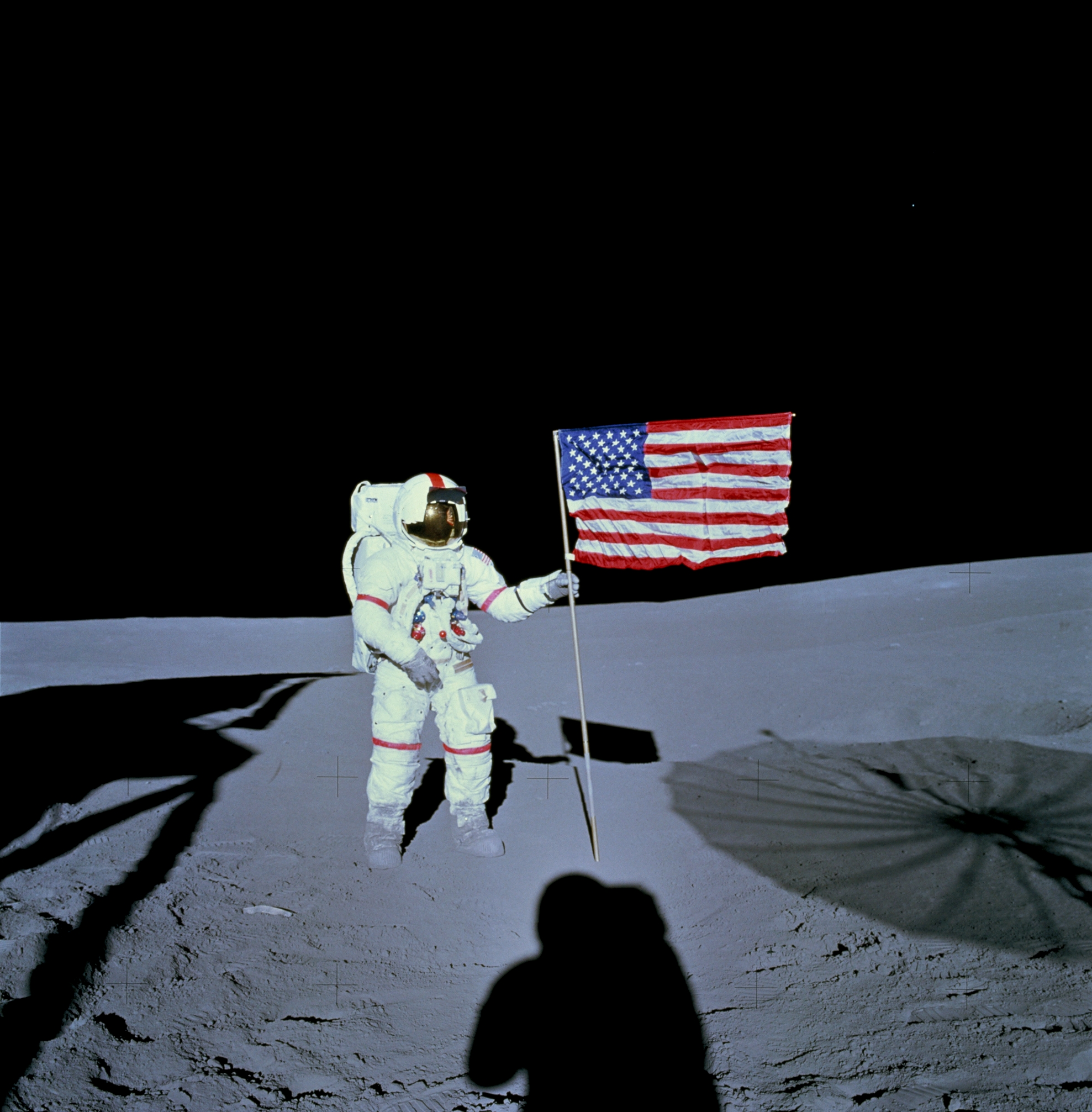
A 2026 moon landing would represent a major milestone in human spaceflight and mark the first crewed lunar surface mission since 1972. Success would validate decades of post-Apollo planning and billions in public funding. Conversely, missing this target—which the market overwhelmingly expects—would trigger renewed questions about the pace and feasibility of America's space exploration agenda. The market probability therefore functions as a gauge of realistic timelines in a sector where political goals and engineering reality frequently diverge.
Key Factors
NASA's Artemis program, the official pathway for U.S. crewed lunar return, currently targets 2025 for Artemis II (an uncrewed lunar flyby) and 2026 at the earliest for Artemis III (the crewed landing). However, the program faces well-documented delays: the Space Launch System (SLS) and Orion spacecraft have experienced repeated postponements, and landing system development remains incomplete. Major technical milestones—including final testing of the Human Landing System and resolution of Exploration Upper Stage issues—remain outstanding. Additionally, this market requires any human touchdown to resolve affirmatively, without regard for mission success, meaning even a problematic landing counts. Despite these considerations, traders assign only modest probability to meeting the 2026 window.
Competing lunar efforts by China and private entities like SpaceX do not appear to have shifted market sentiment significantly. The question specifically requires human habitation, narrowing the scope beyond robotic or cargo missions. Recent statements from NASA leadership have acknowledged delays, with some officials suggesting Artemis III could slip into 2027 or beyond.
Outlook
For the market to shift materially higher, traders would likely need to see concrete evidence of accelerated progress on the SLS/Orion integration, successful Artemis II execution, or credible public announcements from NASA leadership confirming a 2026 landing as feasible. The current 4.4% odds leave room for upside surprise if major technical milestones are cleared faster than expected, but the historical pattern of delays in the Artemis program suggests the probability may drift lower as 2026 approaches without confirmed readiness. Key dates to monitor include any new SLS test flights and official NASA timelines issued later this year.