Market Overview
The prediction market for a human moon landing in 2026 is trading at 4.3% probability, indicating traders view such an outcome as unlikely within the given timeframe. With nearly $1.9 million in volume, the market reflects substantial interest and relatively stable pricing, suggesting a consensus view has formed around the technical and programmatic obstacles to meeting this deadline.
Why It Matters
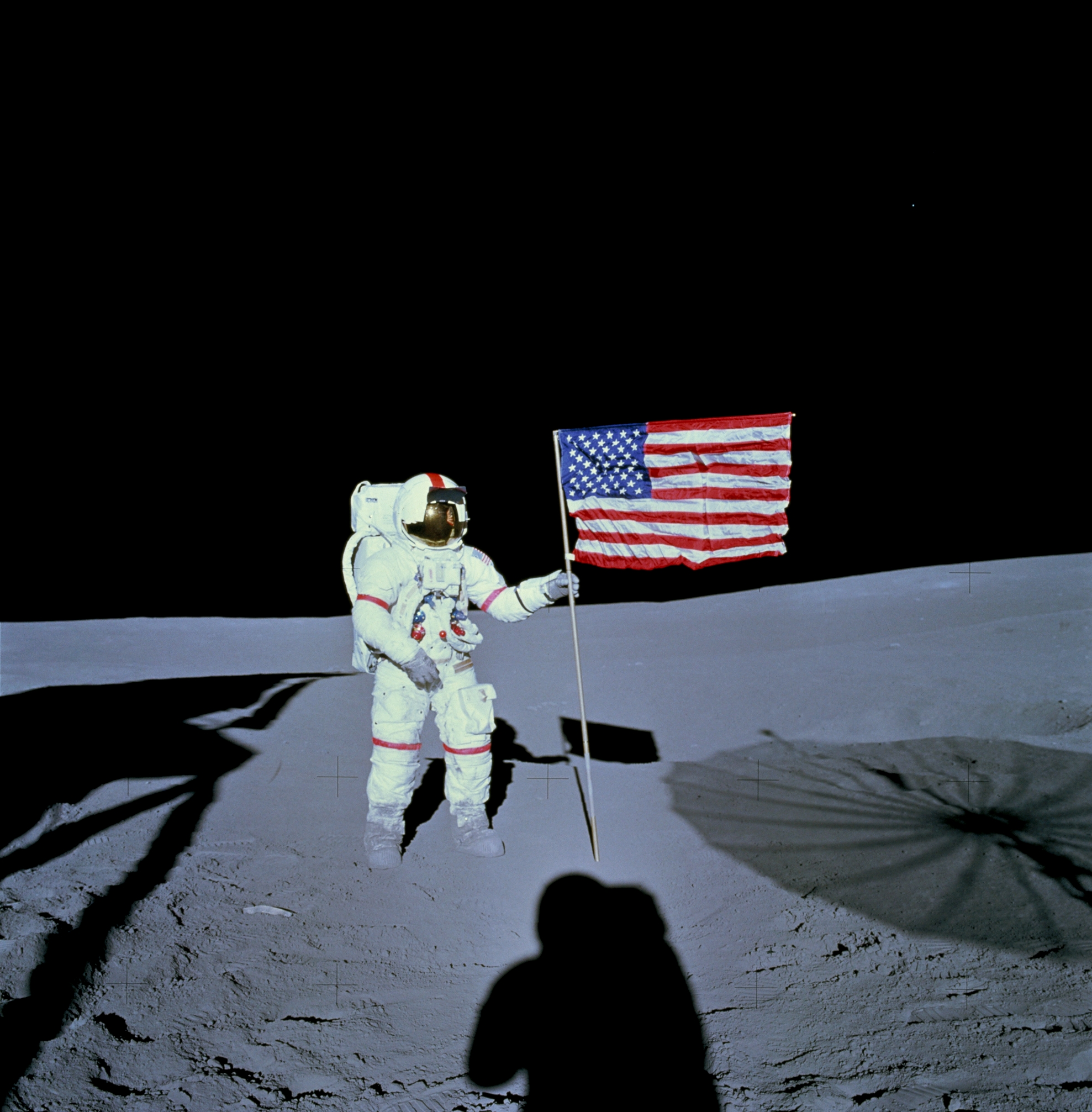
The 2026 moon landing question functions as a benchmark for NASA's Artemis program, which aims to return humans to the lunar surface for the first time since 1972. The current odds effectively price in expectations that the program will miss its original target, a significant marker given Artemis represents the centerpiece of U.S. human spaceflight objectives and carries geopolitical weight in the context of renewed international space competition.
Key Factors Driving the Probability
Several structural factors explain the low probability assignment. NASA's Artemis I uncrewed test flight launched in November 2022 and completed its mission in December, but subsequent flights have faced persistent delays. The current schedule targets Artemis II, a crewed lunar flyby, for 2025 at the earliest, with Artemis III—the actual landing mission—planned for 2026 or later. Hardware development, including the Human Landing System variants from multiple contractors, continues to face technical challenges and funding constraints. Additionally, the market appears to account for the historical tendency of complex space programs to slip timelines, a pattern evident throughout the Space Shuttle program and International Space Station development.
Outlook
Market probability could shift materially if NASA announces concrete progress on Artemis II certification or accelerated Artemis III hardware integration. Conversely, any official schedule slip or technical setback—particularly involving the Space Launch System or Orion capsule—could compress odds further. The market's current stability suggests traders view the 2026 deadline as effectively off the table absent major programmatic acceleration, though the 4.3% residual probability reflects acknowledgment of tail-risk scenarios involving accelerated timelines or breakthrough technical progress.