Market Overview
Prediction market participants are pricing a human moon landing in 2026 at just 4.3%, suggesting near-consensus skepticism about near-term crewed lunar missions. With $1.9 million in trading volume, the market reflects meaningful engagement despite the low baseline probability. The stable odds over the past 24 hours indicate no recent catalysts have shifted market sentiment, leaving the probability anchored well below what would be required for a successful landing within the next 18 months.
Why It Matters
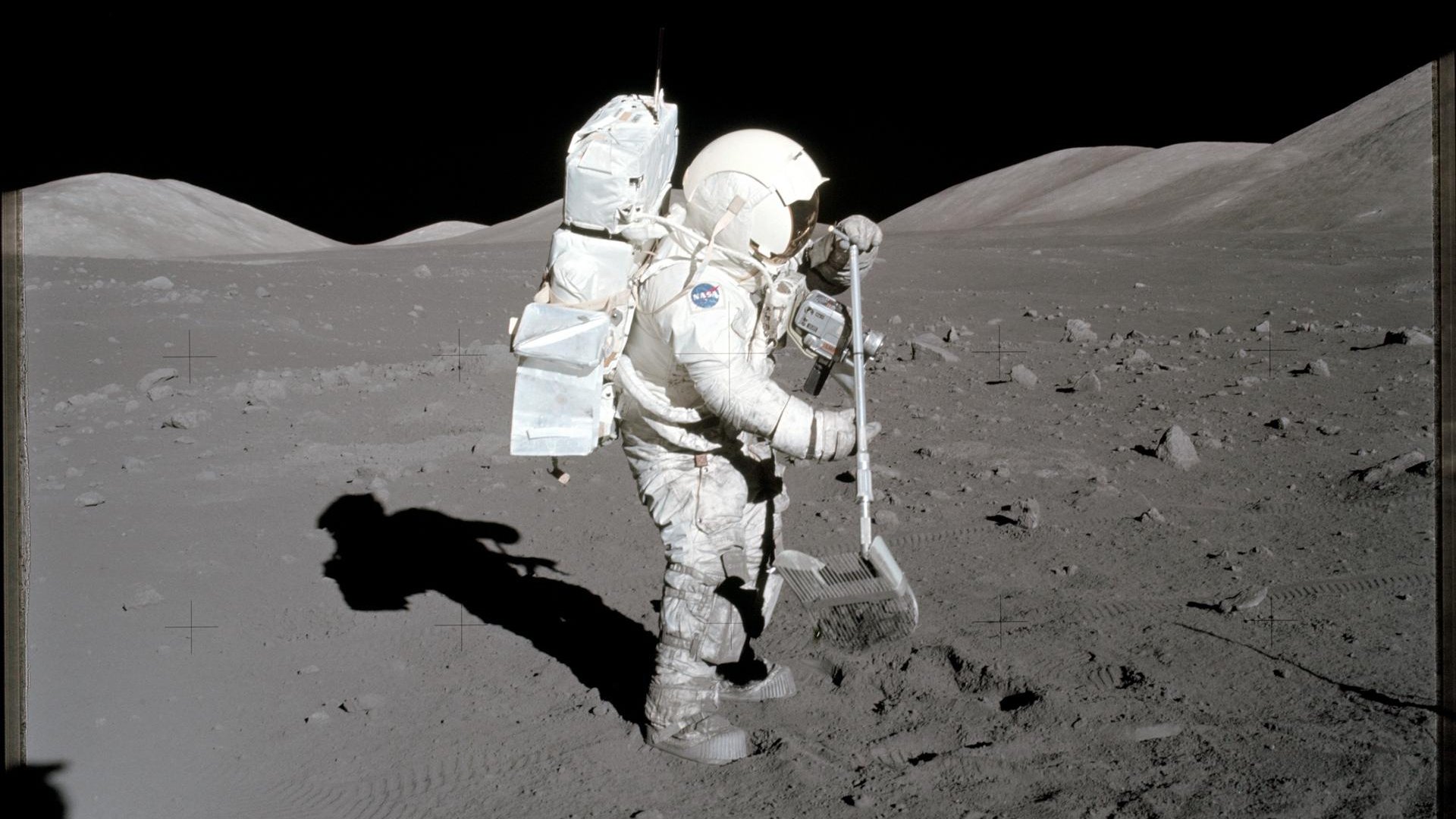
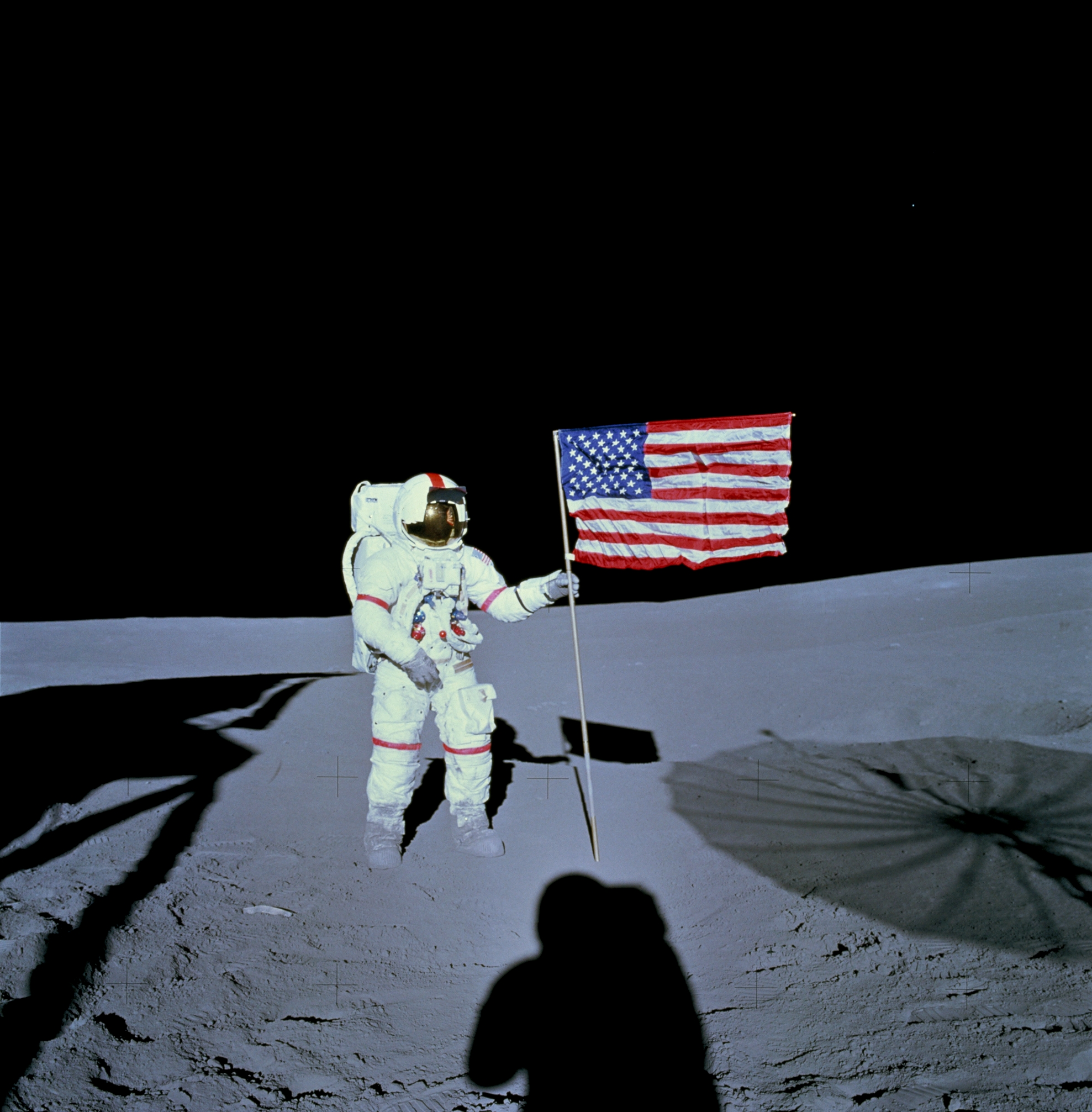
A crewed moon landing would represent a watershed moment for human spaceflight and mark the first return to the lunar surface since Apollo 17 in 1972. The 2026 timeframe carries particular significance because it sits at the ambitious end of current program schedules, making it a meaningful test of whether space agencies can deliver on decades-old promises to return humans to the moon. Market expectations here serve as a barometer for how serious observers view progress on these programs, particularly given the substantial public investment and geopolitical dimensions of lunar exploration.
Key Factors
NASA's Artemis program, the primary candidate for a 2026 landing, currently targets Artemis III for late 2026 or 2027, making the 2026 deadline exceptionally tight. The Space Launch System and Orion spacecraft have experienced repeated delays since initial planning phases, with hardware integration, testing, and regulatory approval processes regularly extending timelines. International competitors—including China's lunar program and private ventures—face similarly compressed schedules to achieve a crewed landing within this window. The resolution criteria, requiring only a touchdown with humans aboard \"regardless of technical complications,\" removes some uncertainty about what counts as success, but execution risk remains substantial. Supply chain disruptions, technical issues discovered during testing, and the inherent conservatism of human spaceflight programs all weigh against rapid timelines.
Outlook
Market probability could shift materially on several developments: successful completion of critical Artemis ground and flight tests, official program announcements accelerating launch timelines, or unexpected breakthroughs in international efforts. Conversely, the discovery of significant technical issues or further delays in SLS or Orion development would likely push odds even lower. Given the complexity of crewed lunar missions and historical precedent for schedule slippage, the 4.3% pricing appears to embed reasonable skepticism about near-term achievement, though the market remains open to updating on concrete progress indicators in coming months.