Market Overview
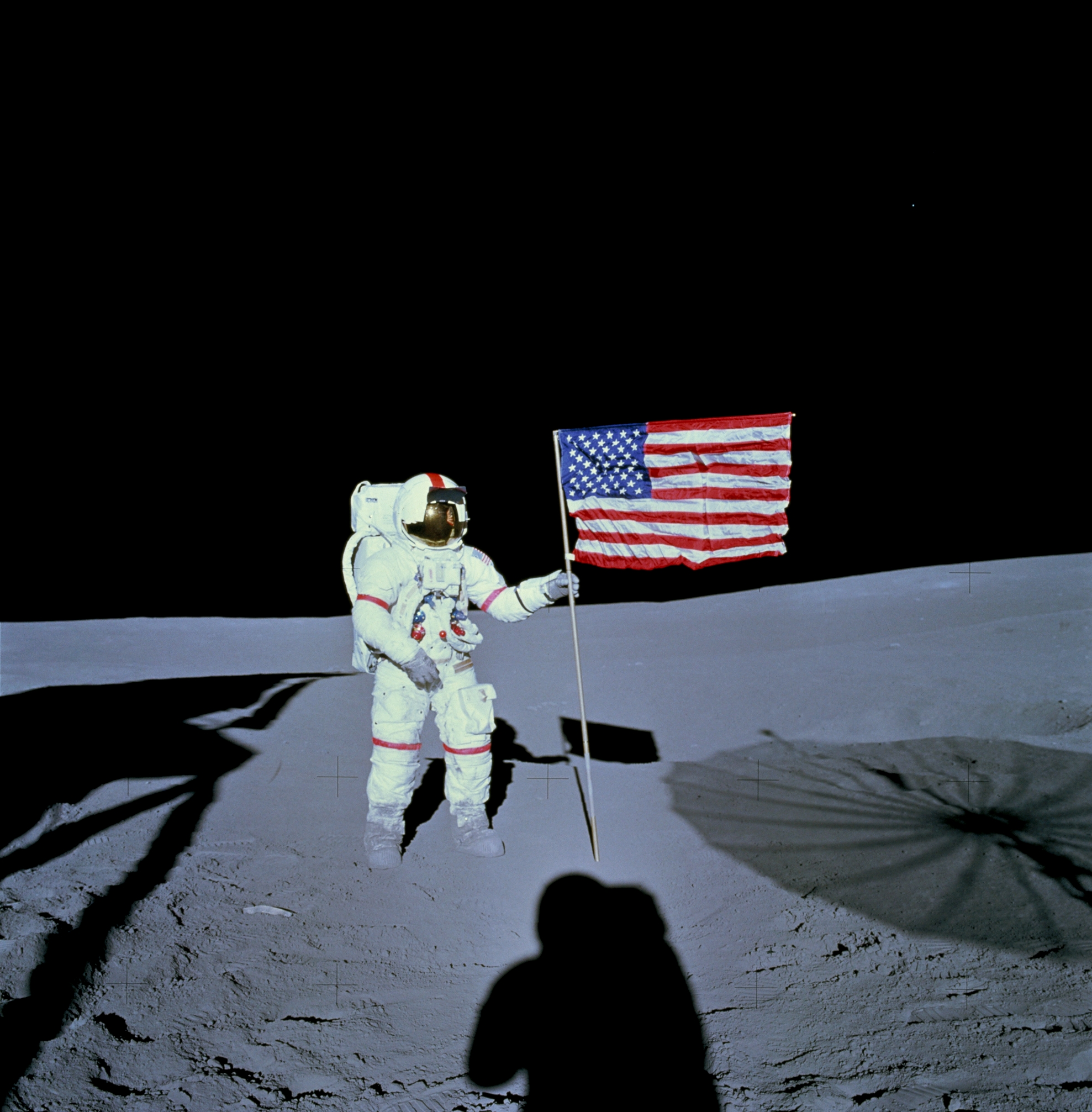
Prediction market traders are assigning just 4.1% odds to a human moon landing occurring between now and December 31, 2026—a probability that has remained flat over the past 24 hours despite $1.88 million in trading volume on the question. The stable odds across a moderately active market suggest a consensus view among participants that a 2026 landing represents a remote possibility, though not entirely implausible given ongoing space program developments. The low but non-negligible probability reflects the speculative nature of large-scale aerospace timelines rather than dismissal of the goal as impossible.
Why It Matters
The 2026 lunar landing timeline is directly tied to NASA's Artemis program, which aims to return humans to the moon as a stepping stone to sustained lunar operations and eventual Mars missions. Success would represent a defining moment in 21st-century space exploration and validate decades of planning and investment. Conversely, another delay would further extend humanity's absence from the lunar surface—now spanning over 50 years since Apollo 17 in 1972. The market's low probability reflects not a lack of ambition but rather the historical pattern of space program timelines slipping and the substantial technical hurdles remaining for the Artemis II crewed flight test and subsequent Artemis III landing mission.
Key Factors Driving Low Probability
Several factors explain the market's skepticism. NASA has already slipped the Artemis II timeline multiple times, with the current schedule targeting late 2025 at the earliest—leaving minimal margin for testing and preparation before a 2026 landing attempt. The Space Launch System (SLS) and Orion capsule have experienced persistent development challenges, and no landing vehicle is yet fully ready for crewed operations. The Starship-based Human Landing System, essential for the actual moon descent, remains in active testing with an uncertain readiness timeline. Additionally, the resolution criteria require only a touchdown with humans aboard, not a full mission success, yet traders still assess less than 5% probability—suggesting conviction that even this lower bar is unlikely to be met in the compressed timeframe. Historical precedent matters: Apollo's development took years, and modern space programs have consistently underestimated integration and testing requirements.
Outlook and Key Developments to Watch
Traders should monitor several milestones that could shift these odds. The next critical gate is Artemis II's launch, expected in 2025; any major delays would further diminish 2026 prospects. Starship's cadence of orbital test flights will be closely watched for signs that the Human Landing System could achieve operational readiness on an accelerated schedule. Congressional funding decisions and political pressure could theoretically accelerate timelines, though technical reality rarely bends to political will in human spaceflight. Any official NASA announcement pushing the Artemis III landing date beyond 2026 would likely trigger market repricing downward. Conversely, unexpected progress—such as Starship achieving multiple successful orbital flights and rapid Human Landing System certification—could gradually increase odds, though markets would likely remain skeptical absent a formal timeline confirmation from NASA. The current 4.1% probability appears to reflect rational skepticism rather than pessimism, leaving room for upward revision if the program demonstrates execution velocity.