Market Overview
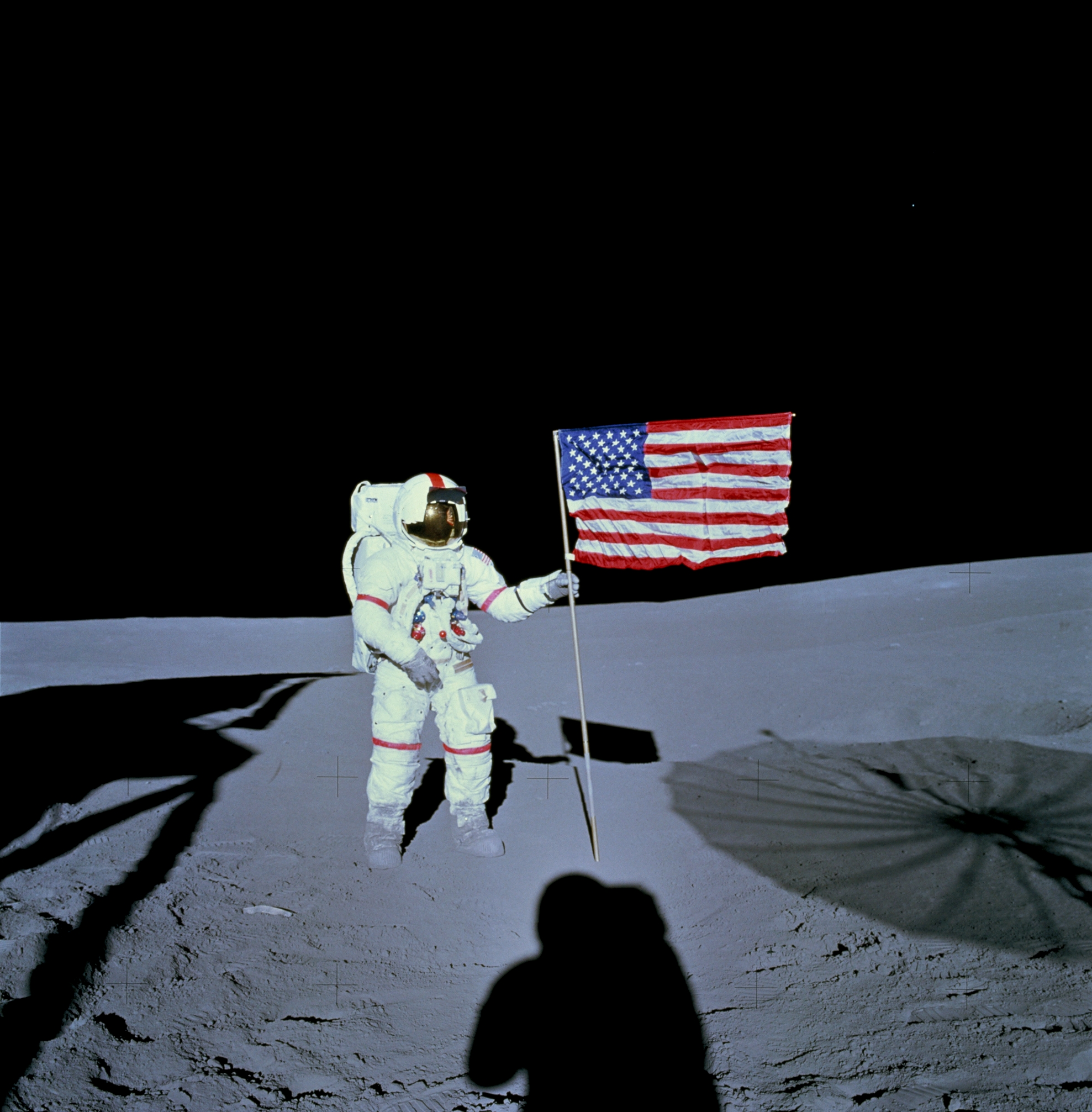
The prediction market for a human moon landing in 2026 is pricing in only a 4.3% chance of success, with stable odds over the past day despite substantial trading volume of nearly $1.9 million. This low probability reflects market consensus that the Artemis program, currently America's flagship lunar initiative, faces formidable scheduling headwinds that make a 2026 landing extraordinarily unlikely.
Why It Matters
Artemis represents humanity's most ambitious return-to-moon effort in over 50 years, carrying significant geopolitical and scientific implications. A 2026 landing would represent an accelerated timeline compared to NASA's official targets and would signal either dramatic breakthrough progress or a fundamental recalibration of program priorities. The low market probability underscores skepticism about whether such acceleration is realistic.
Key Factors
NASA's current Artemis roadmap targets lunar surface operations in the mid-to-late 2020s, with Artemis III—the crewed moon landing mission—not scheduled until at least 2026-2027 at the earliest. However, this timeline is already viewed as optimistic by many observers. Several structural challenges weigh heavily: Space Launch System (SLS) rocket development has faced sustained delays and cost overruns; the Human Landing System (HLS) development remains incomplete; and the Lunar Gateway orbital station, intended as a staging point, is itself behind schedule. Additionally, the 2026 deadline leaves minimal margin for the inevitable technical setbacks, testing delays, or safety reviews that characterize human spaceflight programs. International and commercial lunar landing attempts by other nations or private companies would not satisfy this market's resolution criteria, which specifies a human-crewed landing.
Outlook
A significant shift in market odds would likely require either an official NASA announcement compressing the Artemis timeline dramatically or sustained evidence of accelerated progress across multiple program components. Conversely, additional delays to SLS launches, HLS development setbacks, or public statements from NASA leadership acknowledging the 2026 target as infeasible could push odds even lower. The market's current 4.3% probability essentially prices in only a narrow pathway of extraordinary acceleration or an outright program restructuring, making this primarily a bet on unexpected progress rather than baseline expectations.