Market Overview
Prediction markets are currently pricing a human moon landing in 2026 at 4.3% probability, with stable odds over the past day and a trading volume exceeding $1.9 million. This implies roughly a 1-in-23 chance that a crewed spacecraft will touch down on the lunar surface within the next two years. The low probability reflects widespread market skepticism about an extremely compressed timeline for one of humanity's most complex undertakings.
Why It Matters
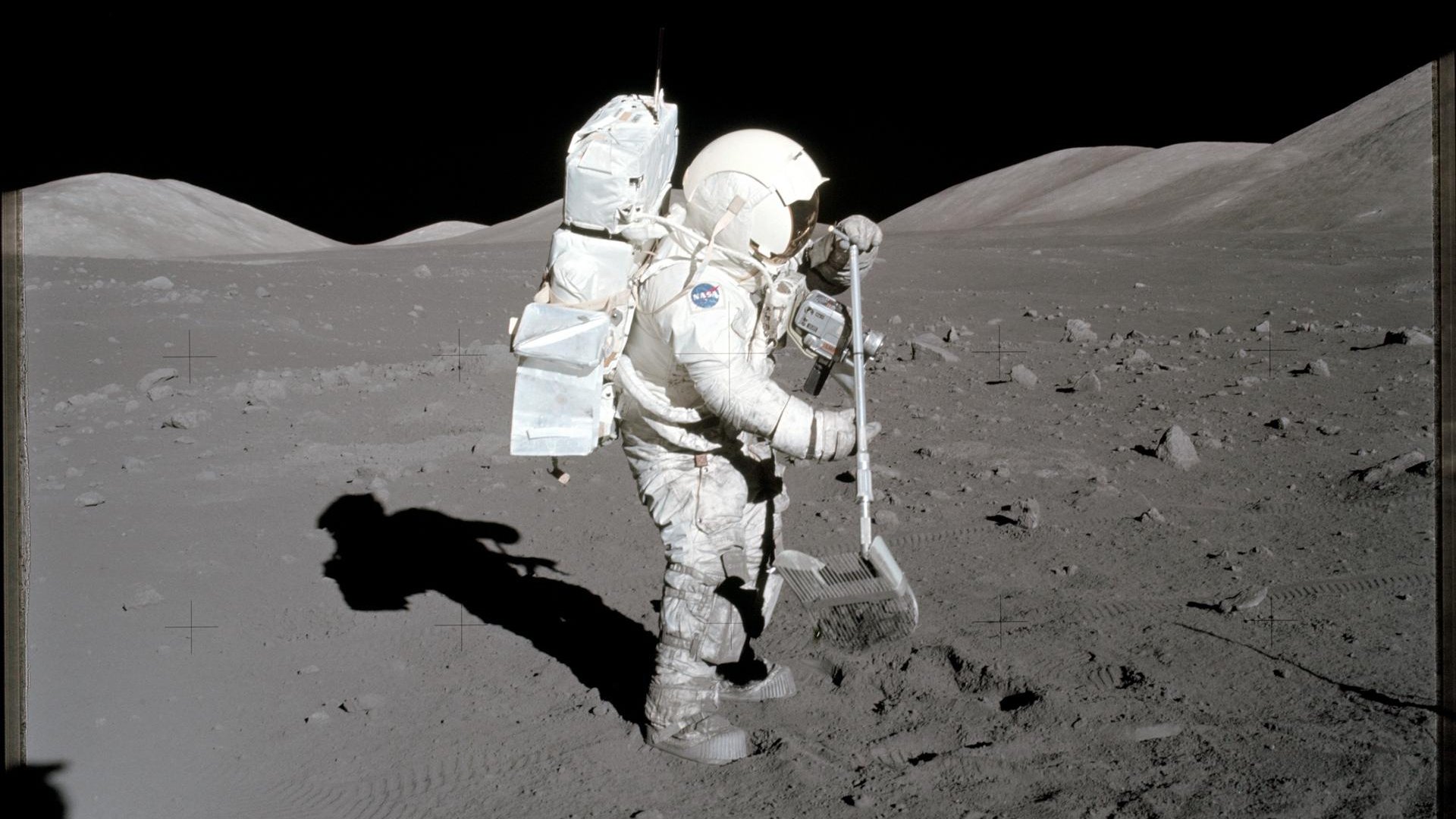
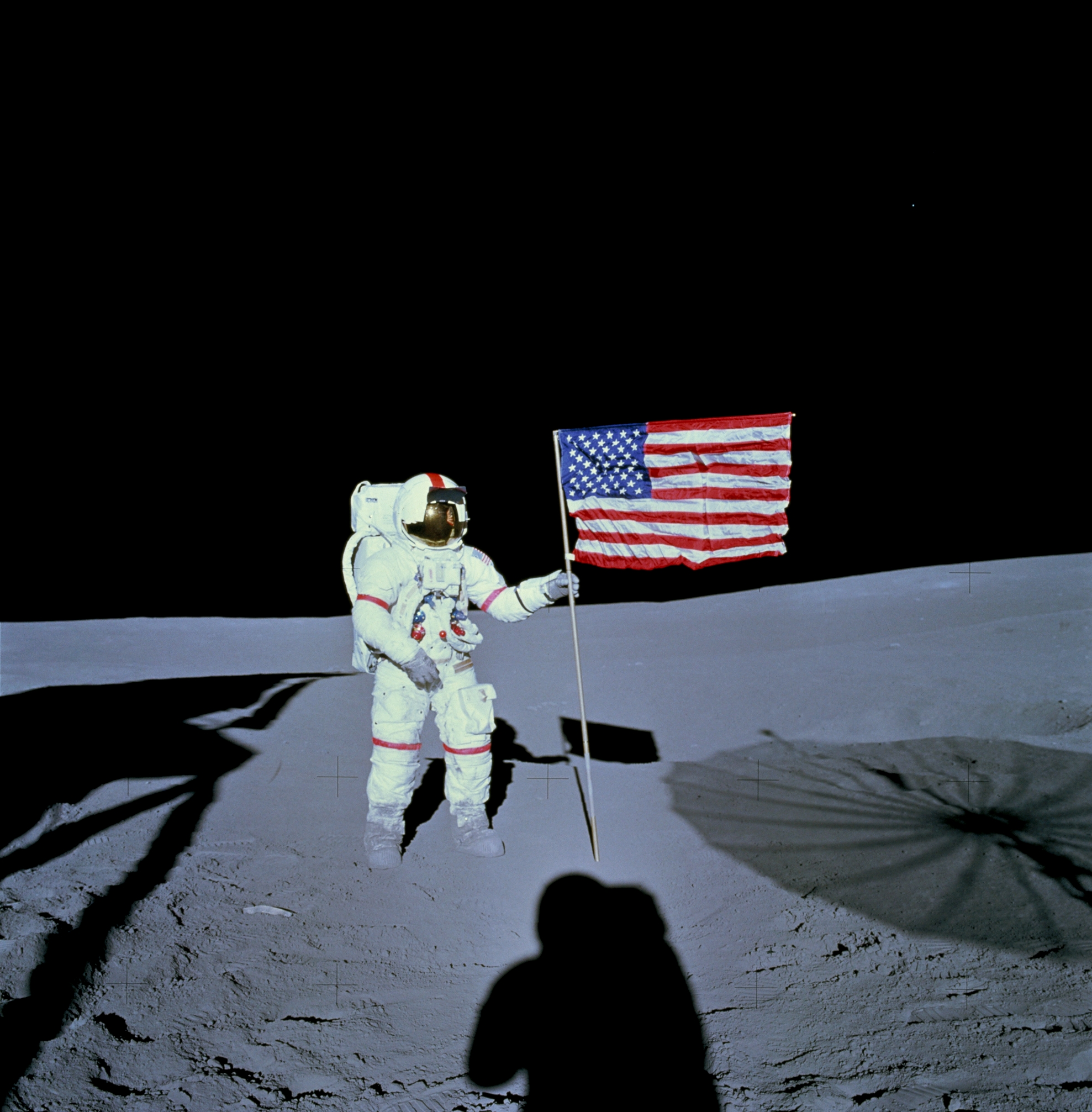
The 2026 deadline sits at the ambitious edge of NASA's Artemis II planning. Successfully landing humans on the moon would represent the first crewed lunar landing since Apollo 17 in 1972 and would mark a significant milestone in the space program's effort to establish sustained human presence beyond Earth orbit. Market participants assigning only a 4.3% probability to this outcome are essentially betting against NASA delivering the mission within a 24-month window, even as the agency has positioned Artemis II as its next major crewed test flight.
Key Factors
Several technical and scheduling realities appear to anchor the market's skepticism. Artemis II, the crewed lunar flyby mission currently targeted for late 2025 or early 2026, must succeed first before Artemis III—the actual landing mission—can proceed. Historically, complex space programs experience delays; the Space Launch System and Orion capsule have already faced multiple schedule slips since their inception. Even if Artemis II launches on schedule, the subsequent design, testing, and validation phases for Artemis III typically consume 18 to 24 months before a landing attempt becomes viable. Additional uncertainties include the operational readiness of the lunar lander (currently being developed by contractors) and unforeseen technical issues that often emerge during human spaceflight preparation.
Outlook
The market's 4.3% probability could shift materially in either direction depending on concrete developments: a successful Artemis II mission in late 2025 would likely increase odds for a 2026 landing, while any further delays to Artemis II would reinforce the current low assessment. Even advocates for aggressive lunar timelines typically project an Artemis III landing in 2026 or 2027 as optimistic but not highly probable given historical precedent. Unless NASA announces an accelerated schedule backed by substantial additional resources, the market's skepticism appears aligned with engineering and program realities.