Market Overview
Prediction markets are currently assigning a 4.3% probability to at least one crewed moon landing occurring between now and December 31, 2026. With trading volume exceeding $1.9 million, the market reflects a clear consensus that 2026 remains an unlikely timeframe for achieving this milestone, despite sustained investment in lunar exploration programs worldwide. The stable probability over the past 24 hours indicates no significant new developments have shifted market expectations recently.
Why It Matters
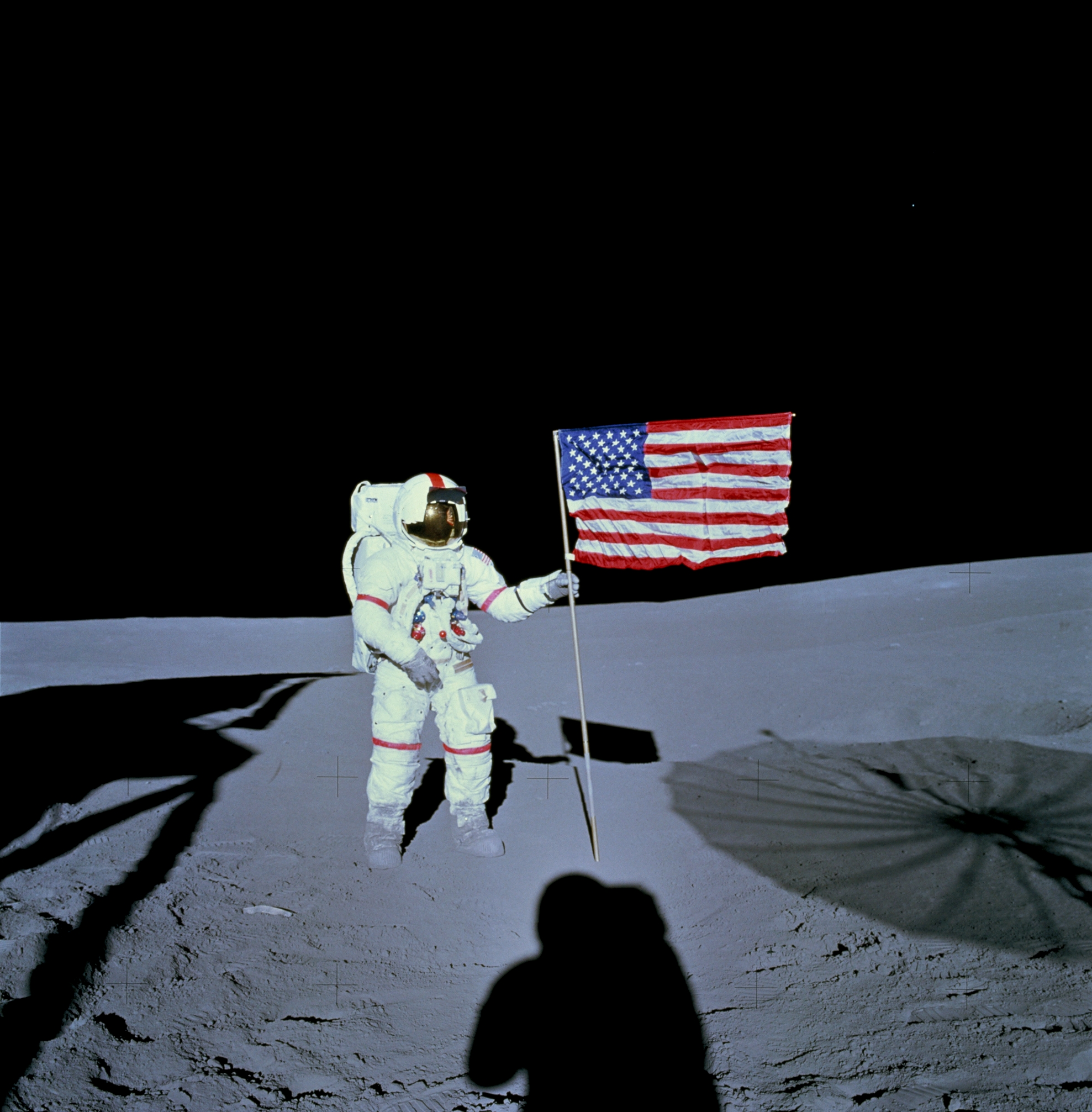
A successful human moon landing would represent a major accomplishment in space exploration and mark the first crewed lunar mission since 1972. The timing matters for assessing the realistic pace of modern space programs and their ability to meet ambitious deadlines. Beyond its symbolic importance, the feasibility of a 2026 landing carries implications for the broader credibility of space agency timelines and the capabilities of both government and commercial space ventures. Markets pricing this event at under 5% suggests traders believe stated targets are substantially optimistic.
Key Factors Driving Low Probability
NASA's Artemis program, the most visible crewed lunar initiative, has already experienced significant delays. The original timeline called for a crewed lunar landing in 2024, then 2025, with current targets extending into 2026 or beyond. The Artemis I uncrewed test flight launched in late 2022, with Artemis II (crewed lunar flyby, no landing) not yet launched as of early 2025. This suggests a full landing mission remains years away. Additionally, even if an Artemis II mission launches soon, it typically precedes a landing attempt by an interval sufficient to incorporate engineering lessons, further pushing timeline estimates beyond 2026.
Beyond NASA, other potential candidates—including China's lunar program and commercial ventures—face their own development hurdles. While China has demonstrated competence in lunar missions, accelerating a crewed program to land humans by end-2026 would require exceptional schedule compression. Commercial entities like SpaceX are focused on other objectives, though theoretical capabilities exist. The convergence of technical, regulatory, and budget constraints across all programs supports the market's skepticism.
Outlook
For the probability to rise materially, the market would likely require either confirmation of an imminent Artemis II launch with a rapid succession to Artemis III, or surprising announcements from alternative programs demonstrating near-term readiness. Barring unexpected acceleration, the sub-5% pricing appears consistent with the current program timelines and technical realities. Market participants should monitor NASA announcements regarding Artemis II scheduling closely, as any indication of sustained delays would likely reinforce the current low probability assessment.