Market Overview
Prediction market traders are pricing the probability of a human moon landing in 2026 at 4.3%, with the probability remaining flat over the past 24 hours despite $1.9 million in cumulative trading volume. This modest odds level indicates strong consensus skepticism among market participants about the feasibility of meeting such an aggressive timeline. The market requires only a touchdown with humans aboard—technical complications or mission anomalies would not prevent a \"Yes\" resolution—yet traders remain unconvinced such an event will occur within the next 12 months.
Why It Matters
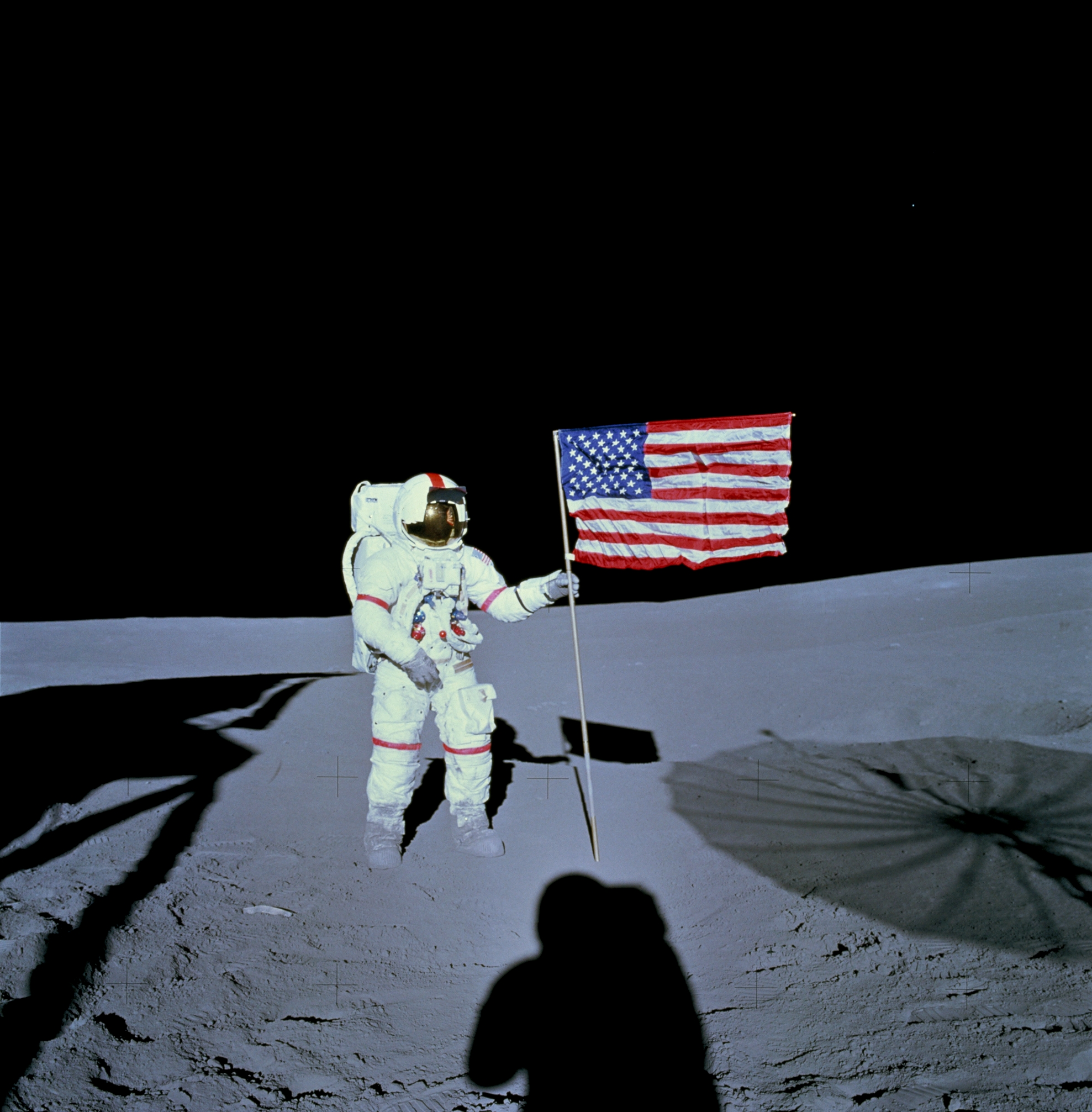
A crewed lunar landing would represent a milestone in human spaceflight and mark the return of astronauts to the moon for the first time since Apollo 17 in 1972. The question of whether this can happen by 2026 hinges on the feasibility of NASA's Artemis II mission, originally planned as an uncrewed test flight but which some have proposed accelerating into a crewed lunar landing attempt. The outcome carries implications not only for space exploration but also for public perception of NASA's technical capabilities and project management discipline. For space industry investors and enthusiasts, the timeline represents a critical test of whether modern space programs can execute major deep-space missions on compressed schedules.
Key Factors
Several factors explain the low probability assigned by markets. NASA's official Artemis II crewed lunar flyby is currently targeted for late 2025 at the earliest, with Artemis III—the actual landing mission—scheduled for 2026 or later. However, technical delays, regulatory approvals, and the need for additional testing have consistently pushed back these timelines in past years. The Space Launch System (SLS) and Orion spacecraft development have experienced multiple setbacks and cost overruns. Additionally, the mission depends on the successful development and deployment of the Human Landing System (HLS), currently under contract to private contractors. Any delay in SLS launches, Orion certification, or HLS readiness would make a 2026 landing impossible. The complex choreography required—from successful SLS launches to orbital operations to surface landing—leaves little margin for error within such a tight window. Market participants appear to be pricing in the historical pattern of aerospace delays and the technical risks inherent in returning humans to the lunar surface after a 50-year gap.
Outlook
The 4.3% probability likely represents a floor reflecting low but non-zero odds that NASA executes flawlessly and all major milestones align. Several developments could shift this probability upward: successful completion of Artemis II with no major delays pushing the timeline further back, demonstrated readiness of the HLS system, or official NASA confirmation of an accelerated crewed landing attempt in 2026. Conversely, any announced delay to Artemis II or additional technical issues with SLS, Orion, or HLS would likely compress odds further toward zero. Market participants appear content betting against 2026, betting instead on a lunar landing in 2027 or later. Unless NASA or its contractors signal unexpected progress, the probability should remain near historical lows through 2025.