Market Overview
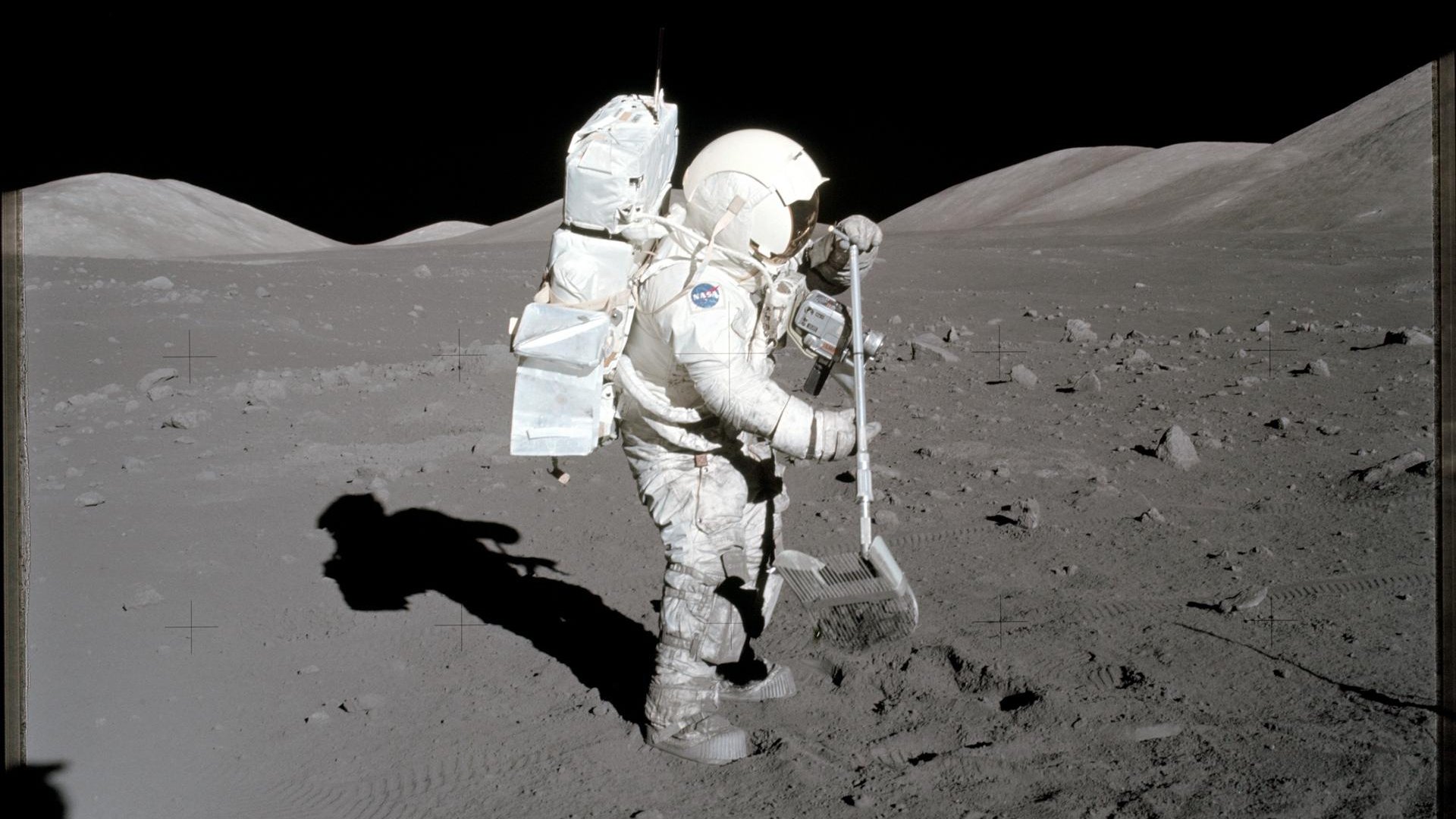
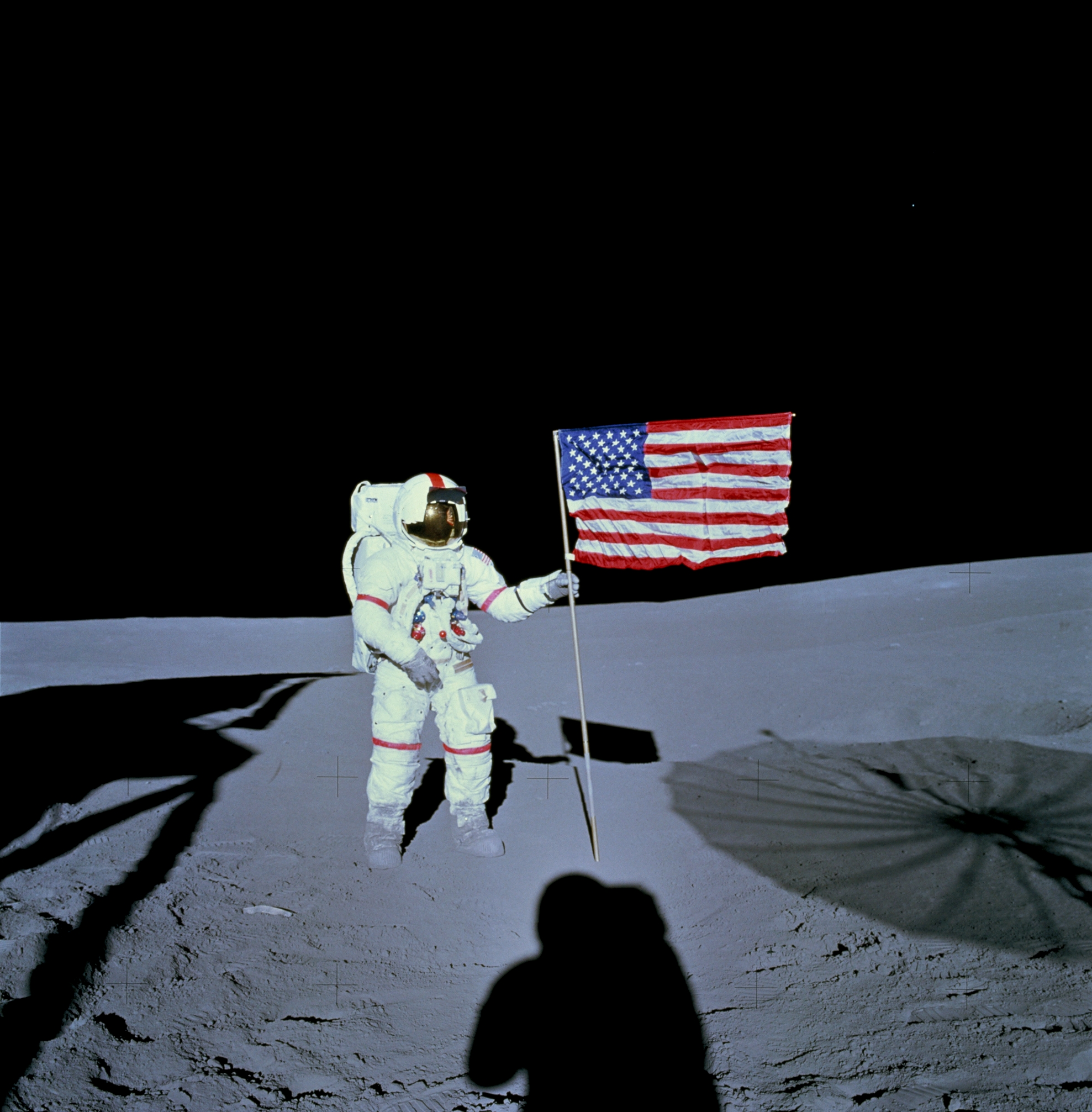
The prediction market for a human moon landing in 2026 stands at 4.2% probability, with stable pricing over the past day and roughly $1.9 million in trading volume. This low odds assignment reflects the market's assessment that a crewed lunar touchdown within the next two years is a remote possibility, not an expected outcome. The binary resolution criteria—requiring only that a spacecraft with humans aboard touch down on the lunar surface by December 31, 2026—sets a straightforward threshold, yet traders remain highly skeptical of achievement.
Why It Matters
The 2026 moon landing question sits at the intersection of space exploration ambitions and technical reality. Successfully landing humans on the moon would represent a watershed moment for NASA's Artemis program, which aims to return Americans to the lunar surface for the first time since 1972. However, the specific 2026 target is not officially part of NASA's publicly stated timeline. The question matters because it tests whether private and public sector space capabilities can accelerate beyond historical precedent, and because market pricing on such long-shot events reveals how credible observers assess technical risk and program execution.
Key Factors
Several factors drive the subdued 4.2% probability. First, NASA has repeatedly pushed back the Artemis timeline; the agency initially targeted the early 2020s, then 2024, and current plans emphasize 2025 or 2026 for Artemis II—an uncrewed test flight—with a crewed lunar landing (Artemis III) likely not occurring until 2026 at the earliest, and more probably 2027 or 2028. The Space Launch System (SLS) and Orion spacecraft have faced persistent technical and manufacturing challenges. Second, the market accounts for the possibility that China or another spacefaring nation could achieve a crewed landing before the United States, which would resolve the market to \"Yes\" but is also viewed as unlikely within this timeframe. Third, 2026 is exceptionally tight for a crewed program that historically requires years of preparation, testing, and validation between major milestones. The Artemis mission architecture itself—involving lunar orbit rendezvous and a human lander descent—adds complexity beyond simply reaching the lunar surface.
Outlook
For the probability to rise materially, traders would likely need to see official confirmation from NASA that a crewed landing is genuinely targeted for 2026, combined with demonstrated progress on SLS and Orion testing. Conversely, any further delays to Artemis II or additional technical setbacks with the launch system could push the odds even lower. Developments such as successful SLS test flights, Orion crew certification, or unexpected acceleration in private lunar lander programs could shift sentiment, but the structural headwinds—technical complexity, historical delays, and the narrow window—suggest the market's pessimism reflects a realistic baseline. Unless the space agencies involved announce concrete near-term milestones and demonstrate sustained progress through 2025, the 4.2% pricing likely reflects the outer edge of plausible scenarios rather than a central expectation.