Market Overview
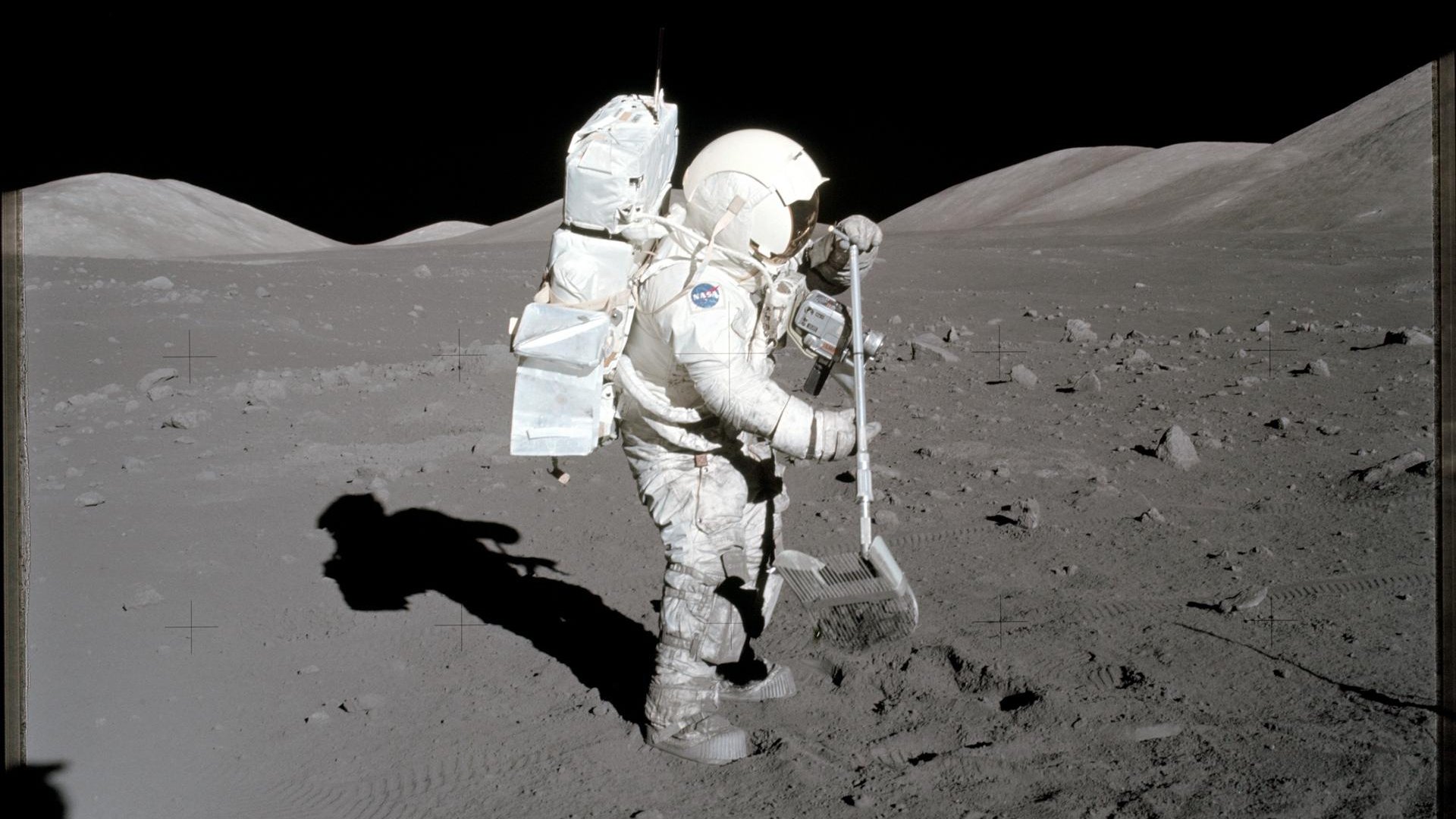
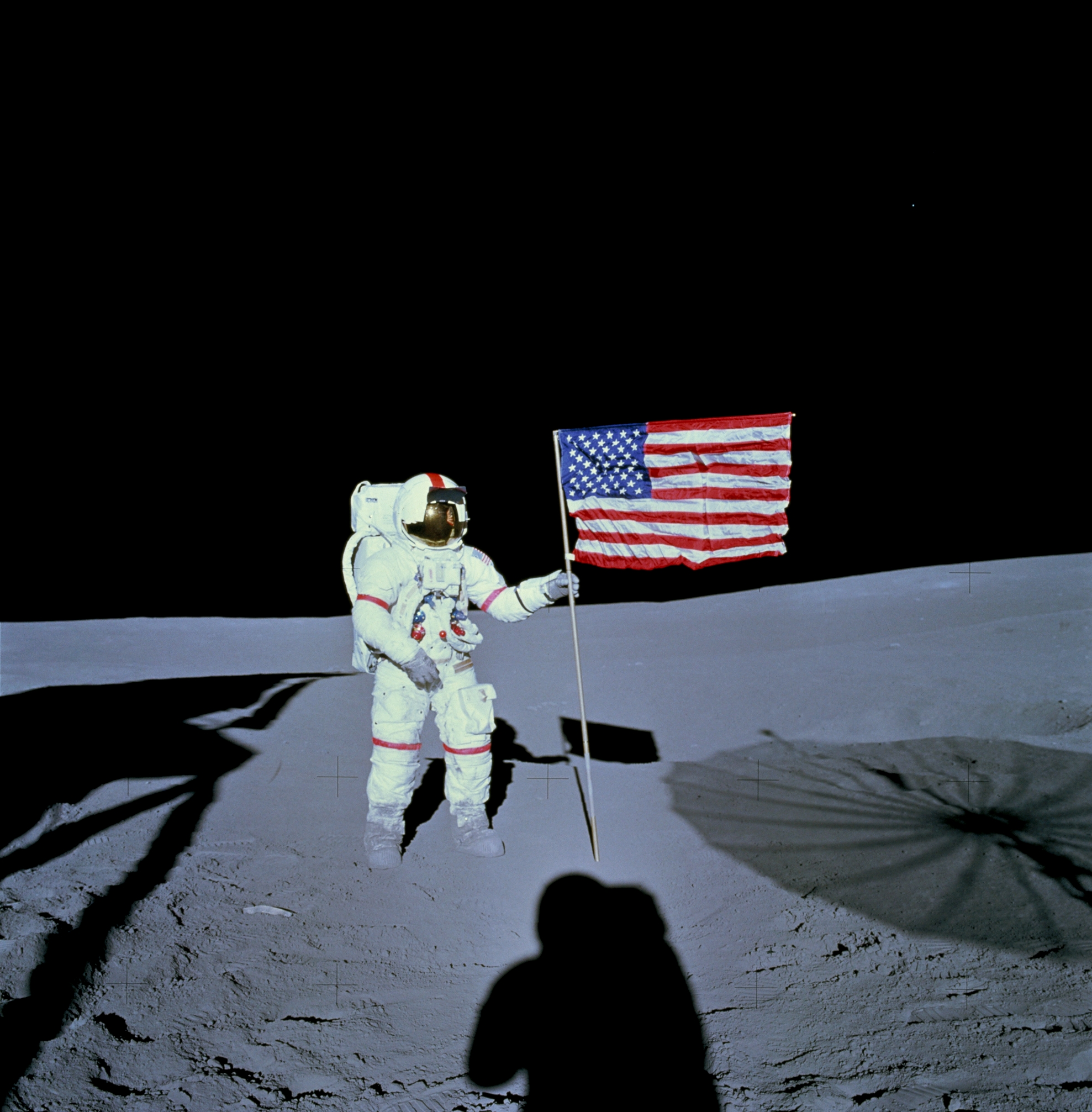
The prediction market for a human moon landing in 2026 is trading at 4.3% implied probability, indicating traders view such an outcome as highly unlikely within the next two years. With roughly $1.9 million in trading volume, the market reflects sustained but modest interest in the question. The flat 24-hour price action suggests consensus has solidified around this low probability, with little recent conviction driving major shifts.
Why It Matters
A successful crewed lunar landing would represent a historic milestone and validation of either NASA's accelerated Artemis timeline or competing international efforts. The 2026 deadline is significantly more ambitious than NASA's publicly stated target of 2025-2026 for Artemis II (uncrewed) and 2026-2027 for Artemis III (crewed lunar surface landing). Market probability of just 4.3% suggests traders believe slippage in the space program's notoriously complex schedule remains the base case, despite institutional commitments and funding.
Key Factors
Several technical and programmatic realities constrain the probability. Artemis II, a crewed lunar flyby mission, is currently targeted for late 2025, and a successful completion would be necessary before attempting a 2026 landing. The Space Launch System (SLS) has experienced multiple delays, and the Human Landing System (HLS) remains under development. Additionally, Artemis III's primary objective is surface exploration, which requires successful completion of Artemis II and resolution of ongoing technical challenges. While private competitors like SpaceX are advancing lunar capabilities, none have demonstrated a crewed landing capability on the near-term horizon. The market's low odds also reflect historical patterns: lunar missions require extensive preparation, testing, and contingency planning that typically stretch timelines beyond initial targets.
Outlook
The probability could shift upward if NASA announces concrete evidence of accelerated testing and a definitive Artemis II launch date in late 2025, creating a plausible path to a 2026 surface landing. Conversely, any additional delays to Artemis II or technical setbacks with the HLS would likely push market odds even lower. For now, traders appear to view 2026 as optimistic relative to program realities, pricing in the higher likelihood that a crewed lunar landing remains a 2027 or later event.