Market Overview
Prediction markets currently price the likelihood of a crewed human moon landing by the end of 2026 at 5.1%, with trading volume of roughly $1.9 million reflecting steady interest in the question. The probability has remained flat over the past 24 hours, indicating a stable consensus among traders that such a feat remains highly unlikely within the specified timeframe. This low probability implies that market participants view a 2026 moon landing as a tail-risk event rather than a plausible near-term outcome.
Why It Matters
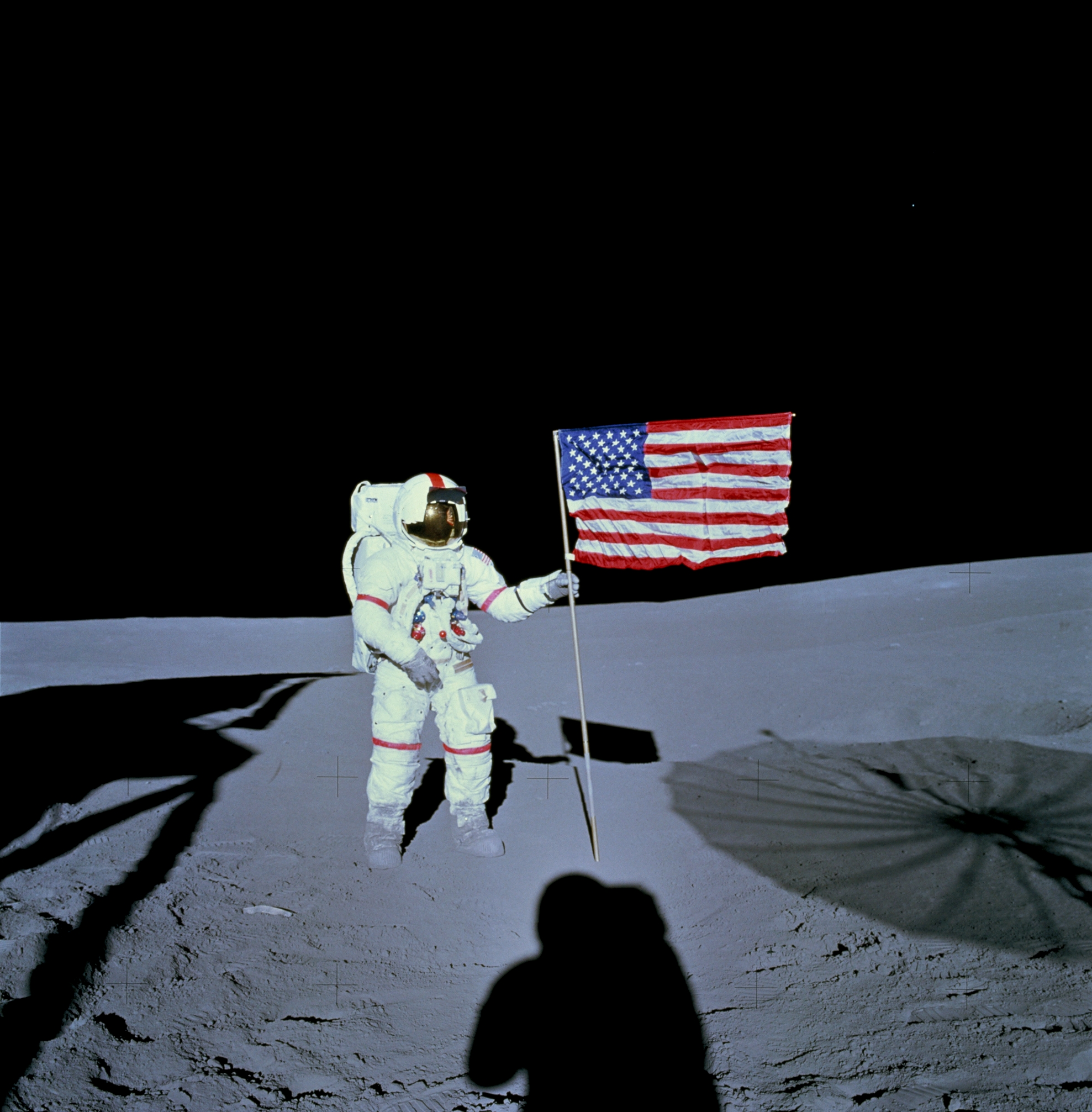
The feasibility of returning humans to the lunar surface represents a significant milestone in space exploration and carries implications for national prestige, technological capability, and the future of space-based resource development. Any successful crewed landing would mark humanity's first return to the moon in over 50 years, since the Apollo 17 mission in 1972. The market's assessment of these odds serves as a barometer for how seriously the aerospace and policy communities view the stated timelines for lunar exploration.
Key Factors
The primary driver of the 5.1% probability is NASA's repeatedly delayed Artemis I mission architecture. The Artemis II crewed lunar flyby, originally scheduled for 2024, has been postponed to 2025 at the earliest, with further delays widely anticipated. Artemis III, the actual planned landing mission, is now targeted for 2026 or later, but faces technical hurdles including development of the Human Landing System and readiness of the Space Launch System rocket. Market participants appear to be pricing in the likelihood that even if Artemis III launches in 2026, completing a successful landing within that calendar year is improbable given integration timelines and the need for mission verification. International competitors, including China's lunar program, remain on longer development cycles and are not expected to achieve crewed landings before 2027 at earliest. Additional uncertainty stems from technical complications, budget constraints, and the need for regulatory approval, all of which have historically pushed space program milestones further into the future.
Outlook
The market's 5.1% odds could shift meaningfully if NASA announces a confirmed Artemis III launch date with high confidence in 2026, or if an international partner unexpectedly accelerates its timeline. Conversely, further delays to Artemis II or technical setbacks in the Human Landing System development would likely push the probability lower. The stable pricing over the past day suggests traders have reached a consensus equilibrium, but the probability remains non-negligible—reflecting the possibility that accelerated efforts or unforeseen technical breakthroughs could compress timelines. Traders should monitor official NASA announcements and congressional budget cycles in the coming months for signals that could move these odds.