Market Overview
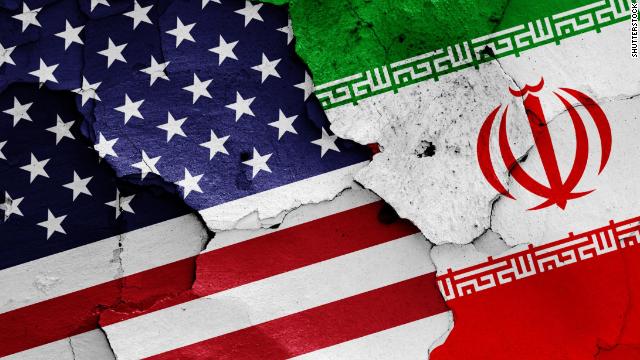
The prediction market on US military personnel entering Iranian territory by December 31 has settled at an extremely low probability of 0.7%, meaning traders are pricing in only a minimal chance of such an event occurring in the coming months. The market has attracted substantial liquidity with $17.9 million in trading volume, suggesting active participation from investors seeking to hedge against or capitalize on geopolitical risk. The stable probability over the past 24 hours indicates little new information has shifted trader sentiment on this scenario.
Why It Matters
Direct military entry into Iranian territory would represent a dramatic escalation in US-Iran relations and constitute a significant geopolitical event with implications for global energy markets, regional stability, and international relations. The resolution criteria are narrowly defined to exclude diplomatic visits, intelligence operations, and military contractors—capturing only active military personnel physically crossing into Iranian territory. This specificity reflects the distinction between military-to-military engagement and other forms of presence, making the 0.7% probability a measure of traders' assessment of an actual combat or military operation scenario rather than routine diplomatic or intelligence activity.
Key Factors
The extremely low probability reflects several structural realities. First, despite periodic escalations and hostile rhetoric, the US and Iran have historically stopped short of direct armed conflict, preferring proxy warfare, cyberattacks, and economic sanctions. Second, any direct military incursion would trigger international condemnation and significant strategic consequences, creating high barriers to action. Third, the timeframe extends only to December 31, leaving roughly a year for such an event to occur—a relatively short window given the typical trajectory of diplomatic and military escalation. Fourth, current US military posture in the Middle East emphasizes regional partnerships and deterrence rather than offensive operations into Iranian territory. Finally, the market's definition explicitly excludes military advisors and contractors, which are more commonly deployed to regional allies.
Outlook
For the 0.7% probability to shift materially higher, traders would likely need to see clear indicators of imminent military action, such as major force deployments, explicit policy statements from US leadership, or a triggering event sufficiently severe to overcome the historical pattern of strategic restraint. Conversely, further de-escalation, diplomatic engagement, or shifting focus toward other regional or global security concerns could push the probability even lower. The high trading volume suggests sustained interest from market participants, potentially reflecting hedging demand from investors exposed to Middle Eastern geopolitical risk rather than conviction that entry is likely.