Market Overview
The market on potential US military entry into Iran by year-end is trading at 99.3% probability against the event occurring, with approximately $17.9 million in volume. This implies only a 0.7% chance that active US military personnel will physically cross into Iranian terrestrial territory before 2024 closes. The price has remained stable over the past 24 hours, suggesting consensus among traders that the baseline risk remains low and unchanged.
Why It Matters
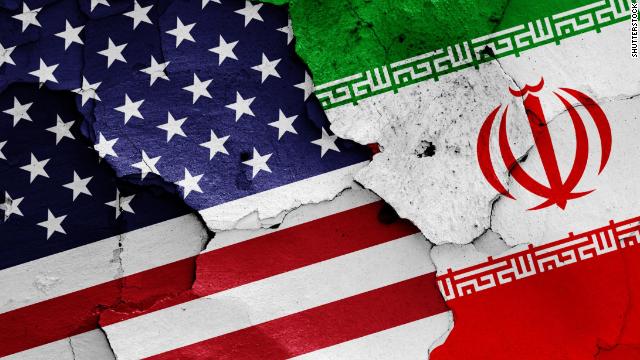
A direct military incursion into Iran would represent a major escalation in regional tensions and a significant geopolitical flashpoint with global implications. Such an action would likely trigger immediate regional response, potential wider conflict, and substantial international diplomatic repercussions. The market's pricing thus reflects trader assessment of the likelihood of such a consequential event, capturing baseline expectations for US-Iran military dynamics over the remaining weeks of the year.
Key Factors
Several considerations appear to inform the market's near-certainty against entry. Current diplomatic and military postures between the US and Iran, while tense, have not escalated to the point where traders view ground force entry as probable. The definition's exclusions—ruling out intelligence operatives, contractors, advisors, and diplomatic personnel—narrow the scope to active military operations, a higher threshold. Recent historical pattern suggests that while US and Iranian forces operate in the same regions, direct territorial incursion remains an extreme scenario. Any major shift in regional hostilities, Iranian military action against US assets, or significant escalation in proxy conflicts would likely move this probability materially.
Outlook
The stability of this price suggests traders view the risk of such an incursion as structural rather than responsive to daily news flow. The market will likely remain anchored near current levels unless a discrete escalatory event—such as a major Iranian attack on US personnel or assets—shifts baseline expectations. As year-end approaches, this extremely low probability may narrow further if no significant incidents occur, or could move sharply if geopolitical conditions deteriorate in the region.